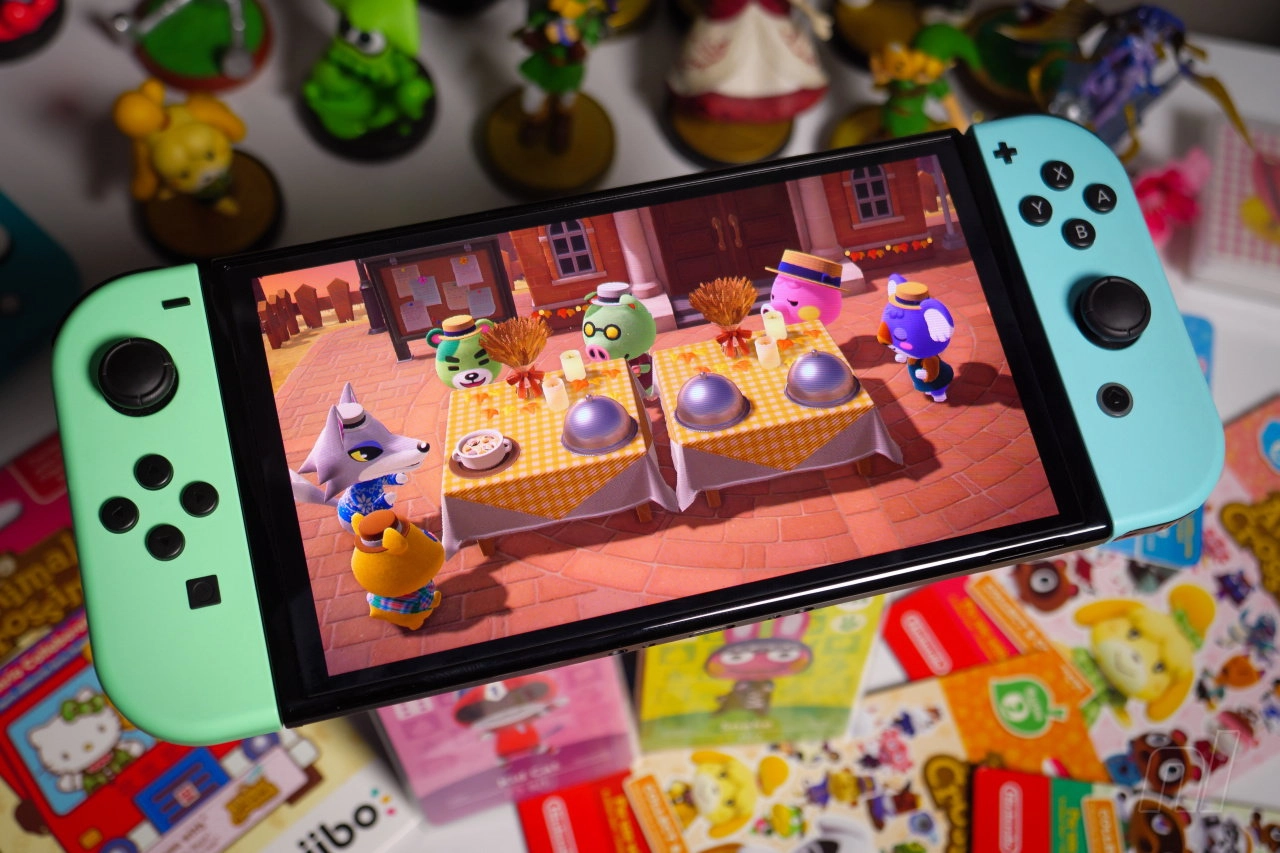
Nintendo's ongoing battle against software piracy has taken another significant turn with the forced shutdown of the Switch emulator, Ryujinx. This move comes just months after the gaming giant successfully shut down another popular emulator, Yuzu. Both actions underline Nintendo's commitment to protecting its intellectual property rights, particularly concerning its gaming content and hardware innovations.
Ryujinx, an open-source project, was becoming increasingly prominent, especially given its potential applications on mobile platforms such as smartphones and handheld gaming PCs. The emulator enabled users to play Nintendo Switch games on devices other than the official hardware, which, while popular among enthusiasts, posed clear copyright challenges.
The closure of Ryujinx was announced in a startling fashion. Ryujinx's developer, known as gdkchan, was contacted by Nintendo and offered an agreement that essentially involved gdkchan ceasing all development and distribution related to the Ryujinx project. Before a clear confirmation of acceptance was publicly known, the Ryujinx organization and all its associated online assets were taken down. This sudden disappearance from the internet was a clear indication of gdkchan's compliance with Nintendo's demands.
This isn't the first time Nintendo has targeted emulators. In fact, the company has a long history of legal actions aimed at emulating projects. In the case of Yuzu, another Switch emulator, Nintendo not only shut down the emulator but also pursued the developers legally, culminating in a multimillion-dollar settlement. Nintendo's proactive and stringent approach to safeguarding its product ecosystem explains its aggressive stance against any form of software emulation that infringes on its copyrights.
Nintendo's motive is multifold; first, the emulation undermines the sales of their hardware, essentially the Nintendo Switch console, which is specifically designed and optimized to run these games. Secondly, it impacts game sales, where each title represents not just enormous investment in development but also potential revenue streams over time. By curtailing access to emulators, Nintendo aims to drive gamers towards its own hardware and licensed software, thereby preserving its market and ensuring continued investment into game development.
The shutdown of Ryujinx represents a significant blow to emulator enthusiasts and gamers who rely on such software for enhanced accessibility and portability. For gamers who do not own a Switch or prefer playing on other devices like PCs or smartphones, emulators like Ryujinx and Yuzu offered a valuable service. Nevertheless, from a legal and business standpoint, Nintendo’s actions are justified to protect its investments and intellectual property.
The broader implications of these shutdowns extend beyond just the loss of Ryujinx and Yuzu. They set a precedent that might deter future software developers from embarking on similar projects out of fear of legal repercussions. Moreover, these events could catalyze stricter regulations around software emulation globally, influencing how emulator projects are developed and distributed in other jurisdictions.
Despite these challenges, the enthusiasm for Nintendo’s games remains strong. The continued interest in emulation underscores the popularity and enduring appeal of Nintendo’s gaming catalog. Moreover, as Nintendo advances its technology and launches new products, the cycle of interest in emulating this content renews, reflecting the ongoing cat-and-mouse dynamic between technological advancements and copyright enforcement.
Nintendo's actions, while protective of its interests, also reflect a broader challenge in the digital age where intellectual property rights clash with the ideals of open-source development and information sharing. As the landscape evolves, both gamers and developers are keenly watching how companies like Nintendo navigate these complex issues. Meanwhile, the gaming community will likely continue to find new ways to engage with their favorite games, within or outside the bounds of official platforms.

You must be logged in to post a comment!
