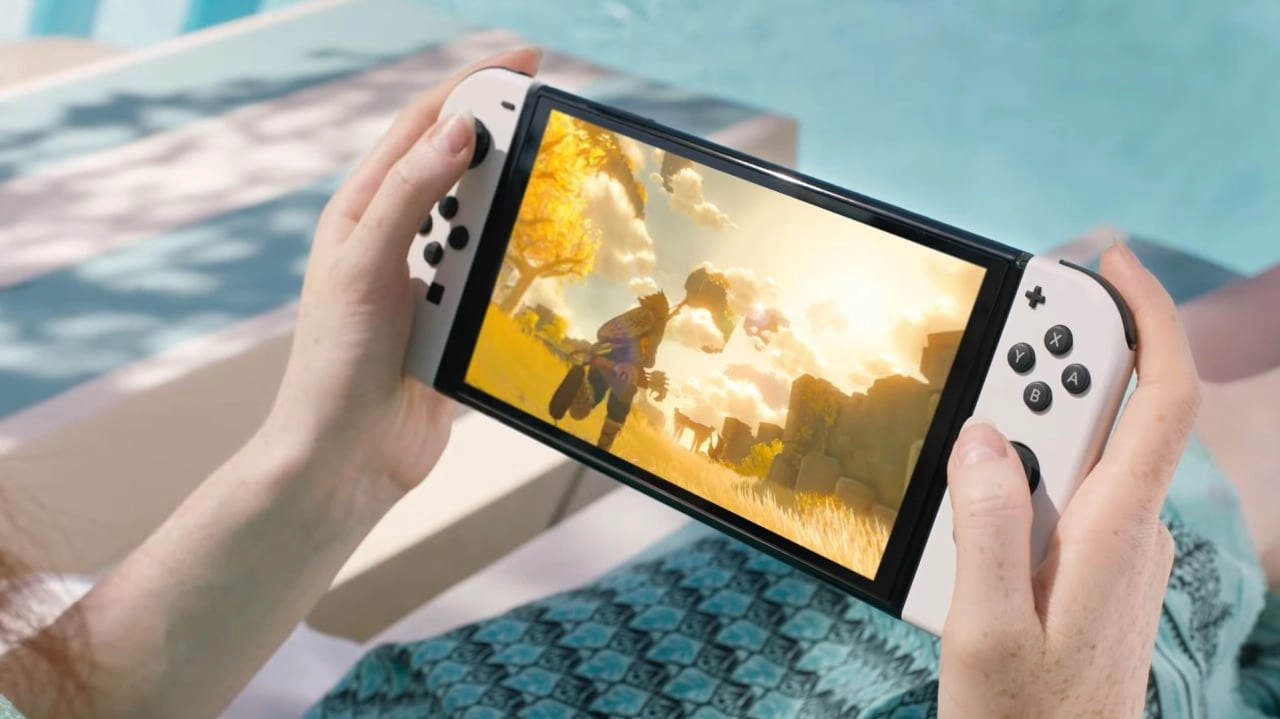
Nintendo, the renowned video game company behind some of the world's most beloved franchises, including Super Mario and Zelda, has made headlines by initiating a lawsuit against the creators of the Yuzu emulator, a software designed to run games made for the Nintendo Switch console on other platforms such as PCs.
The company has a long-established policy against video game piracy, which they deem harmful not only to their sales but also to the integrity of their creative and intellectual properties. This lawsuit represents another step in their ongoing efforts to clamp down on piracy.
Within the comprehensive legal documents, Nintendo alleges that the team behind Yuzu has unlawfully breached Nintendo's software encryption designed to protect their games from unauthorized access and copying. The lawsuit states that the emulator's creators illegally accessed Nintendo Switch games from a hacked console, then made and distributed copies of these games online. By doing this, Yuzu has enabled widespread piracy of Nintendo's intellectual property, according to the lawsuit.
Nintendo's argument hinges on copyright law violations and breaches of the Digital Millennium Copyright Act (DMCA), which prohibits the circumvention of technological measures that effectively control access to copyrighted works. As the Yuzu emulator allows users to play Switch games without the need for Nintendo's console, the company argues that this represents a clear breach of such measures.
One specific instance that Nintendo has highlighted involves the highly anticipated game "The Legend of Zelda: Tears of the Kingdom." Before the game's official release, it was reported that over one million copies were downloaded illegally, which corresponded with a significant increase in support for Yuzu's Patreon, a platform that enables supporters to donate monthly to projects they wish to back.
The implication of these figures is substantial, suggesting that the existence and use of the Yuzu emulator can lead to considerable financial losses for Nintendo, by allowing massive piracy of its games. This piracy essentially undermines Nintendo's sales and the value of their products, something they are determined to protect.
Beyond financial considerations, Nintendo's battle against emulator creators is also a symbolic stance in the protection of intellectual property rights within the digital realm. While emulators like Yuzu are often touted as tools for game preservation, allowing older games to be played on modern systems, or for those who cannot access a particular console, Nintendo's perspective is that these tools infringe upon the company's rights and the legal distribution of their games.
Nintendo seeks a decisive legal outcome that would result in the shutdown of the Yuzu emulator and an affirmation that their copyrights and anti-piracy measures are legally enforceable. They are taking a firm position that their copyrights are to be respected and the unauthorized distribution of their games should not be taken lightly.
The broader gaming community remains divided on the subject of emulation. On one hand, gamers and preservationists argue that emulation is necessary for preserving video games as cultural artifacts, especially as hardware becomes obsolete and games are no longer commercially available. On the other hand, game developers and publishers like Nintendo believe that this practice undermines their business and the integrity of their creative endeavors.
The outcome of Nintendo's legal action against the Yuzu team will have implications not only for the emulator in question but also for the larger conversation about game emulation and intellectual property rights. It could set a precedent for how similar cases are handled in the future and how the balance between copyright protection and game preservation is maintained.
As the case moves forward through the legal system, observers from both inside and outside the gaming industry will be watching to see how it unfolds. The decision will likely shape the actions of emulator creators and users, as well as the strategies of other companies looking to protect their intellectual properties in the digital age.
Nintendo's lawsuit against the Yuzu emulator team is a defining moment in the ongoing debate over video game piracy, intellectual property rights, and the scope of what is permissible in the context of game emulation. The outcome of this case could influence the future of how games are accessed and preserved, with possible ramifications that extend far beyond the gaming industry.

You must be logged in to post a comment!
