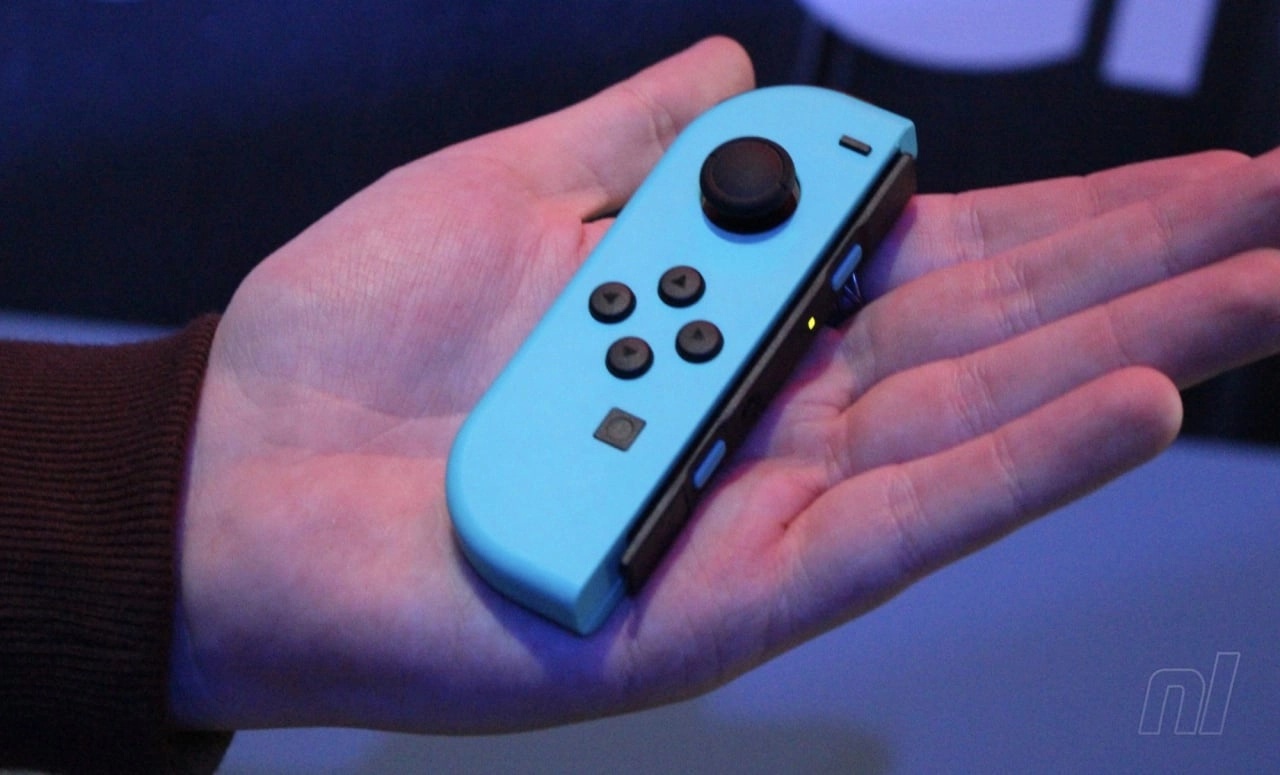
The controversy surrounding the Joy-Con controllers of the Nintendo Switch, specifically the issue known as "Joy-Con drift," has been a significant topic within the gaming community since the console's release. However, after half a decade of legal proceedings, the matter has quietly concluded with the dismissal of the relevant class action lawsuits, which marks an end to one of the long-standing issues faced by Nintendo during this console generation.
The issue of Joy-Con drift began surfacing shortly after the Nintendo Switch's launch in March 2017. Users reported that their Joy-Con controllers would register movement without any input, causing characters or cursors to drift across the screen uncontrollably. This issue not only sparked widespread complaints from consumers but also led to several lawsuits alleging that Nintendo was aware of the defect but chose to ignore it, affecting consumer trust and satisfaction.
Two primary class action lawsuits in the United States, Diaz vs. Nintendo and Carbajal vs. Nintendo, were filed between 2019 and 2020. Both cases were brought forth by parents on behalf of their children, who claimed that the Joy-Con drift made playing games on the Switch frustrating and nearly impossible in some cases. These lawsuits sought to hold Nintendo accountable for the alleged defect and aimed to secure compensation for the affected consumers.
Fast forward to May 2024, after extensive proceedings that lasted five years, the parties involved in Diaz vs. Nintendo and Carbajal vs. Nintendo have mutually agreed to dismiss the cases. This abrupt end to the long-standing legal battle was not accompanied by a detailed public explanation; however, it was confirmed by Game File reporter Stephen Totilo and through subsequent updates from legal filings.
In addition to these two cases, another lawsuit, Sanchez vs. Nintendo, which also dealt with the Joy-Con drift issue, was dismissed after four years of legal debates. The dismissals of these lawsuits signify a closure on the legal front, allowing Nintendo to potentially shift focus towards future projects and improvements.
Interestingly, this legal conclusion coincides with Nintendo's announcement, confirmed by Nintendo President Shuntaro Furukawa, that a successor to the Nintendo Switch will be introduced within the fiscal year. This new console is rumored to incorporate several upgrades, including possibly featuring magnetic Joy-Cons, which could hint at Nintendo's approach to addressing the design concerns brought up by the previous model's drift issues.
While the legal issues regarding the Joy-Con drift have concluded, the impact on consumer trust and the technical reputation of Nintendo's hardware design remains to be fully assessed. The announcement of a new console model suggests that Nintendo is keen on moving forward and possibly rectifying past hardware shortcomings. However, the long-term effects of the Joy-Con drift saga on brand loyalty and consumer expectations will linger as the company transitions to its next generation of gaming hardware.
As the Nintendo Switch generation draws to a close, and with the promise of new hardware on the horizon, it appears that Nintendo is preparing to turn a new page, hopefully leaving behind the shadow cast by the Joy-Con drift issues. Whether or not the upcoming "Switch successor" will directly address these past design flaws remains to be seen, but the gaming community will undoubtedly keep a close watch on how Nintendo plans to evolve its product design and customer service in response to past criticisms.

You must be logged in to post a comment!
