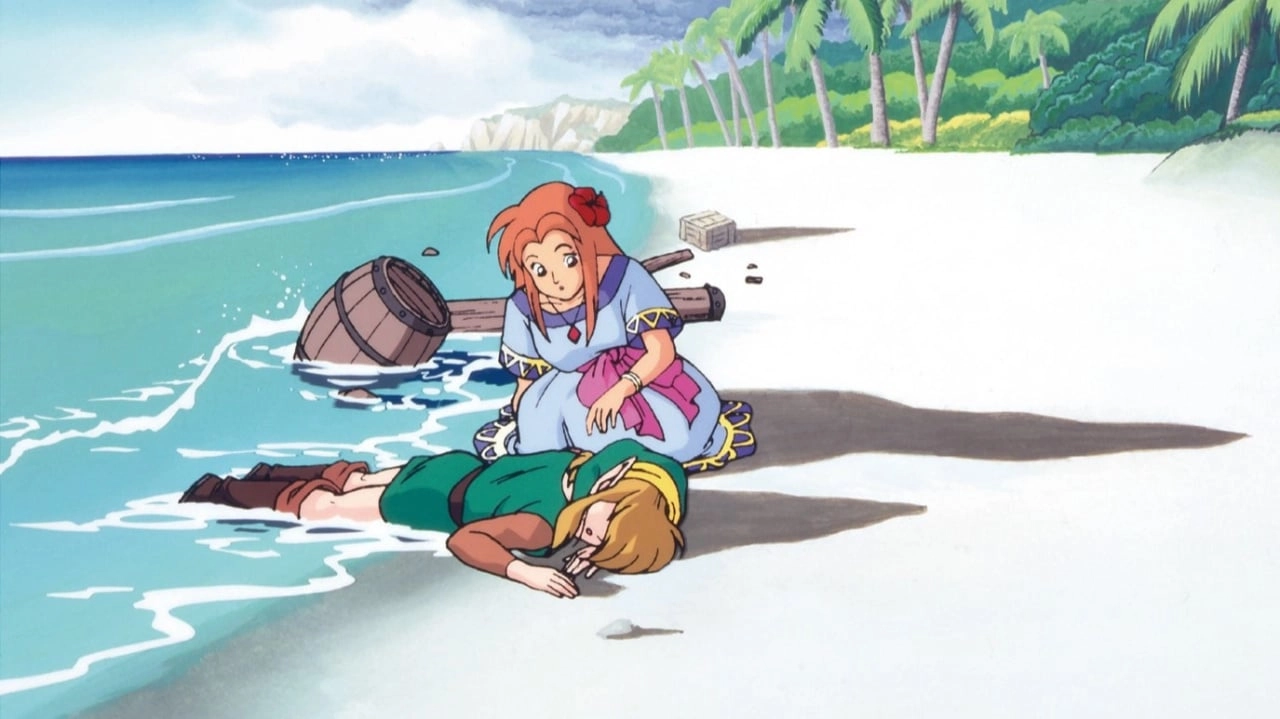
Nintendo, a company known for its beloved franchises and stringent protection of intellectual property rights, has concluded another case of fan enthusiasm meeting legal boundaries. A fan-made project that remastered "The Legend of Zelda: Link's Awakening DX" into a high-definition experience was recently taken offline after a copyright claim by Nintendo.
The remake, known as 'Link's Awakening DX HD', was available on the popular indie game hosting service itch.io. It was an ambitious remaster of the classic Game Boy Color title that incorporated widescreen support, high-definition graphics, and smoother scrolling at up to 120 frames per second. These enhancements gave the decades-old game a fresh look, appealing to both nostalgic fans and a new generation of players who might not have experienced the game on its original platform.
Unfortunately for the creators and fans of 'Link's Awakening DX HD', Nintendo's legal team issued a takedown notice to the itch.io page hosting the game. The message presented on the page made it clear that the game files had been suspended due to a claim of copyright (or trademark) infringement. This was not out of character for Nintendo, which has a history of similar actions against fan-made projects, with perhaps the most notorious example being the fan game 'Another Metroid 2 Remake' (AM2R).
In issuing the takedown notice, Nintendo's Legal team called for immediate action to remove both the download and information page for the infringing game. Their notice elaborated on how this fan creation infringes and makes unauthorized use of Nintendo's copyrights in 'The Legend of Zelda: Link’s Awakening' video game, which is a violation of copyright law.
The creation and distribution of fan-made games in the world of video gaming fall into a legal and ethical gray area. Enthusiastic fans often embark on such projects as an homage to the games they cherish, not intending to profit financially but rather aiming to share their passion and creativity with the gaming community at large. In contrast, game developers and publishers like Nintendo see these fan projects as potential threats to their intellectual property and revenues.
This takedown notice affected not only the creators but also the community around the game. Shared reactions ranged from disappointment to understanding the legal ramifications of creating and distributing such content without the explicit permission of the copyright holder. While some players managed to download the game before the takedown, others were left in the lurch, having looked forward to experiencing the remaster of a classic favorite.
The situation also sparked discussions about the nature of copyright law, fan creations, and what could be done differently to allow fans to express their creativity without infringing on the copyrights of creators. However, as of the current structure of these laws, companies must protect their intellectual property, and Nintendo's actions are well within their legal rights.
Critics of the takedown suggest alternative approaches such as more open fan art policies or licensing arrangements. This issue underscores the complexity of balancing copyright protection with the desires of a fan-driven culture that often shows its love and admiration for a game through personal creations and remakes. Until a potential shift in the law or industry practice occurs, fan projects will continue to be precarious undertakings, possibly subject to legal actions by the rights holders.
The 'Link's Awakening DX HD' project shone briefly but brightly, offering a taste of how older games could be revitalized for modern times. While its disappearance is lamentable for fans, it serves as a reminder of the legal complexities and responsibilities that come with fan homage in the digital age. Despite this setback, the legacy of 'The Legend of Zelda: Link's Awakening', and Nintendo's broader catalog, continues to inspire and influence countless fans and creators around the world.

You must be logged in to post a comment!
