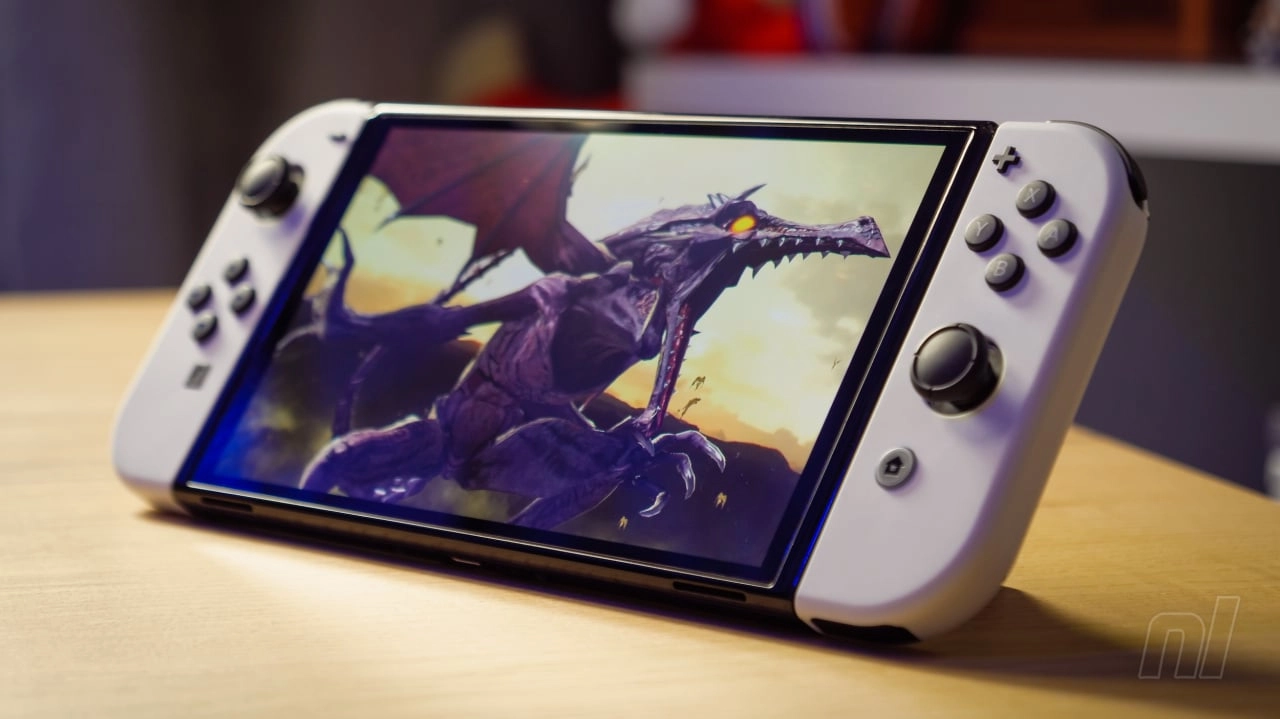
Nintendo's ongoing battle against the piracy of its Switch console content has seen a new turn this week with the filing of two high-profile lawsuits. The company's determined effort to protect its games and hardware from unauthorized use and distribution is marked by these legal actions, signaling a continued commitment to clamp down on piracy.
The first lawsuit involves a defendant known as Ryan Daly, also referred to by his alias "Homebrew Homie," who runs a group called Modded Hardware. Nintendo has been aware of this group for several months, likely due to its overt involvement in modding Switch consoles, selling memory cards loaded with pirated games, and offering various other related services. Earlier in the year, Nintendo had approached Daly with a legal threat, which resulted in an agreement where Modded Hardware would cease all such sales. However, Nintendo claims that Daly did not adhere to this agreement, leading them to file a lawsuit alleging that his continued activities have caused substantial and irreparable harm to the company.
Modded Hardware's operations could potentially cost Nintendo significant financial losses if unchecked, as the piracy directly affects the sales of legitimate Nintendo products. In their lawsuit, Nintendo seeks damages that could extend into millions of dollars, hoping to recover some of the losses attributed to Daly’s activities.
The second legal action taken this week by Nintendo targets James 'Archbox' Williams, who is notably the lead moderator of the r/SucceedPirates subreddit, a community nearly 190,000 strong that shares and discusses methods of pirating Nintendo Switch games. Nintendo's lawsuit claims that Williams has played a central role in facilitating access to "pirate shops" that distribute pirated games. Furthermore, Nintendo accuses him of offering technical advice on how to use these shops and encouraging other users to engage in piracy, even boasting about his own piratical exploits in defiance of Nintendo's intellectual property rights.
This zealous pursuit of individuals and groups involved in the pirating of Switch games mirrors other actions taken by Nintendo in the past. For instance, earlier this year, the creators of the Switch emulator Yuzu settled with Nintendo for $2.4 million in damages shortly after a lawsuit was initiated against them. Such settlements and ongoing lawsuits underscore the seriousness with which Nintendo views the protection of its intellectual property and its readiness to take legal action against violators.
This move by Nintendo also highlights a broader industry challenge of managing digital rights and preventing piracy in an era where technology often outpaces legal frameworks. Companies like Nintendo see piracy not only as a direct threat to their business model but also as a challenge to the developers and the entire ecosystem that supports game development.
Nintendo's actions are part of a more considerable effort to deter piracy through both technological means and legal channels. Past measures have included implementing more robust digital rights management technologies and pursuing numerous other lawsuits against similar piracy operations.
By taking these steps, Nintendo aims to safeguard its intellectual property, ensure fair compensation for creators of content, and maintain the integrity of the gaming experiences they offer to their consumers. This commitment to confronting and curbing piracy reflects the company's broader strategy to uphold its standards and the quality of its products in the highly competitive gaming industry.
The outcome of these latest lawsuits will be closely watched as they may set precedents for how similar cases are handled in the future, affecting the strategies companies might employ in their fight against digital piracy. As Nintendo continues to defend its creative assets vigorously, it also shapes the dialogue around copyright enforcement and protection in the digital age, highlighting the complexities and necessities of such actions in the contemporary digital landscape.

You must be logged in to post a comment!
