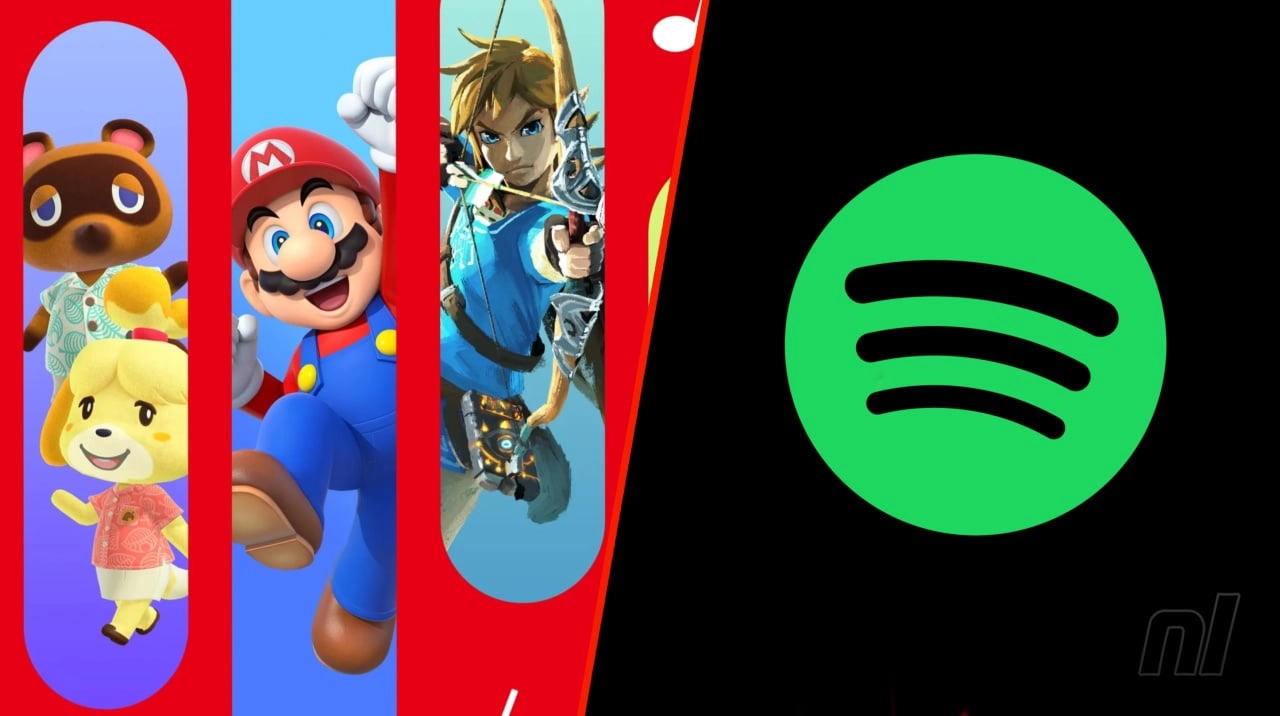
Nintendo, a household name in the gaming industry, has recently launched its exclusive Nintendo Music app, providing fans with a unique way to access some of the company’s most iconic game soundtracks. This development marks a significant step as Nintendo not only aims to enhance its user engagement through its own platform but also extends its outreach by tapping into external popular media channels like Spotify.
The Nintendo Music app has been designed to be a dedicated streaming service focusing solely on the soundtracks from Nintendo's extensive and varied library of video games. Although currently in its nascent stage with limited content, indications suggest significant expansion plans over the foreseeable future. The app is structured to serve the needs of hardcore fans and new listeners who have an affinity for video game music, particularly those iconic tunes associated with Nintendo's popular games.
In an interesting move to boost its visibility, Nintendo has started advertising the music app on Spotify, one of the world's leading music streaming services. This strategic decision to advertise on Spotify is particularly targeted at users of Spotify's free service. While premium subscribers won’t encounter these ads, free users might stumble upon promotions for Nintendo Music while listening to their favorite tracks. This could happen more frequently, especially if they are tuned into playlists that feature video game music, suggesting a smart targeting strategy by Nintendo.
While this might appear as a bold move to advertise a niche product on a platform that serves a broad music listening audience, it reflects Nintendo's intent to penetrate deeper into various user segments. It’s important to understand that Nintendo Music isn’t attempting to dethrone Spotify or compete on its turf; rather, it aims to carve out its unique niche in the vast streaming landscape. By promoting the app on Spotify, Nintendo leverages a platform already familiar with music enthusiasts to draw in a crowd that may not regularly interact with gaming content but has a latent interest in the eclectic sounds of game music.
Moreover, this kind of cross-platform promotion is not just about amplification but also about accessibility. It simplifies the journey for potential users, going from listening to game soundtracks on a general platform like Spotify to exploring a more dedicated and possibly more satisfying experience on Nintendo Music. This can potentially escalate user engagement with not only the app but broadly with the Nintendo ecosystem, enhancing customer loyalty and time spent across its services.
The early response seems to underpin the soundness of this strategy. Although specific data on engagement rates post-advertisement is not publicly shared, anecdotal evidence through social media and online forums, including Reddit and Bluesky, points to a buzz amongst potential users. User discussions reveal a mix of surprise and delight at seeing Nintendo Music ads pop up in their Spotify feeds, an indicator that the advertisements are catching attention.
The user interface and experience of Nintendo Music, though still evolving, offers a straightforward functionality where one can easily navigate through the available soundtracks. The simplicity and focus of the app on Nintendo’s own products ensure that users have a rich and uncluttered experience. As the library grows, so will the utility of the app for an enthusiastic Nintendo fan or even casual listeners who find game soundtracks to be good background scores for daily tasks.
As the digital landscape becomes increasingly more interconnected, such integrations and cross-platform promotions will be pivotal for companies like Nintendo. They not only help in reaching out to new user segments but also in building a more integrated digital ecosystem that can cater to diverse user needs through specialized offerings like Nintendo Music. By aligning its unique strengths with an established player like Spotify, Nintendo is setting a foundational stone for future growth in the digital entertainment space.
This initiative could potentially set a precedent for how entertainment and media companies could collaborate moving forward, breaking traditional boundaries and exploring symbiotic relationships for mutual growth and enhanced user satisfaction. Nintendo’s venture into advertising on Spotify thus not only promotes its new music app but also signifies a larger strategic intent to innovate and capture interest in a competitive digital world.

You must be logged in to post a comment!