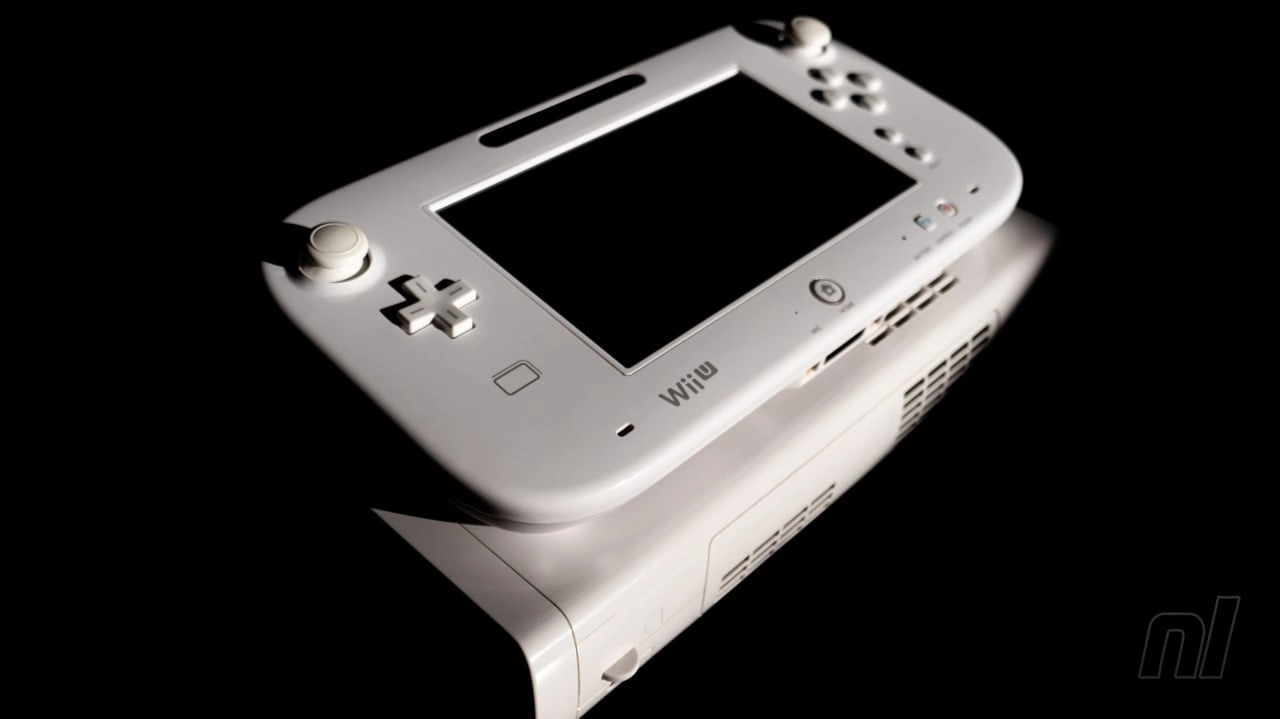
Nintendo, the renowned video game company, has officially ceased its repair services for the Wii U console and its peripherals in Japan as of July 3, 2024, due to an exhaust of necessary replacement parts. This decision marks a significant endpoint in the lifecycle of the Wii U, reflecting the tech industry's inevitable march towards newer technologies and systems.
The Wii U, first launched in November 2012, represented a pivotal innovation in gaming with its unique gamepad that featured an integrated touchscreen. Despite its groundbreaking design and the introduction of off-TV play, the console did not achieve the commercial success Nintendo had hoped for, ultimately being overshadowed by its successor, the Nintendo Switch. The discontinuation of the Wii U repair services follows a similar pattern observed in North America and other regions where Nintendo had already ended these services years earlier.
This development comes shortly after Nintendo also shut down online servers for the Wii U and the 3DS earlier in the year, which discontinued online play and other network features. The closure of these services is a normal part of the technology product lifecycle, especially as companies focus on supporting more recent and widely used systems.
For avid gamers and collectors, the end of repair services for a console can be a significant moment. Many may worry about maintaining and preserving their consoles, especially for models that can no longer be serviced officially. The announcement from Nintendo encourages users to seek alternative service providers or to turn to community-driven support networks that can offer repair advice and solutions.
Moreover, the end of official support for older console models like the Wii U is a clear indicator of the company's shift in focus towards newer technologies. Nintendo has been actively promoting and expanding its current flagship console, the Nintendo Switch, which has seen massive global success since its release. The Switch continues to receive new games and updates, and its versatility as both a home and portable console has captured a broad audience.
The progression from the Wii U to the Switch showcases Nintendo's continual innovation in creating engaging and user-friendly gaming experiences. It reflects a natural evolution in gaming technology, where older models are phased out to make room for new developments that promise better performance, graphics, and interactivity.
For those still holding onto their Wii U consoles, this news might prompt a renewed interest in the best games that were released for the system. Titles like "Mario Kart 8," "Super Mario 3D World," and "The Legend of Zelda: Wind Waker HD" remain beloved by fans and are a testament to the creative legacy of the Wii. These games continue to offer rich, immersive experiences, underlining the enduring appeal of Nintendo's game design.
The announcement also highlights the broader implications of technology's rapid pace of change, pushing consumers and manufacturers towards newer, more advanced offerings that promise improved experiences and functionalities. While this can lead to increased enjoyment and engagement with technology, it also raises questions about sustainability and the environmental impact of rapidly obsolete technologies.
Nintendo's move to end repairs for the Wii U in Japan is more than just a procedural update; it's a reflective moment for the gaming industry and consumers alike, pondering the lifecycle of technology products and the balance between innovation and sustainability. As we look forward, the emphasis will likely continue to be on not just creating new technologies but also on responsibly managing the transition from old to new. This includes considerations on how to best recycle electronics and support users in maintaining and maximizing their existing devices’ lifespans.

You must be logged in to post a comment!
