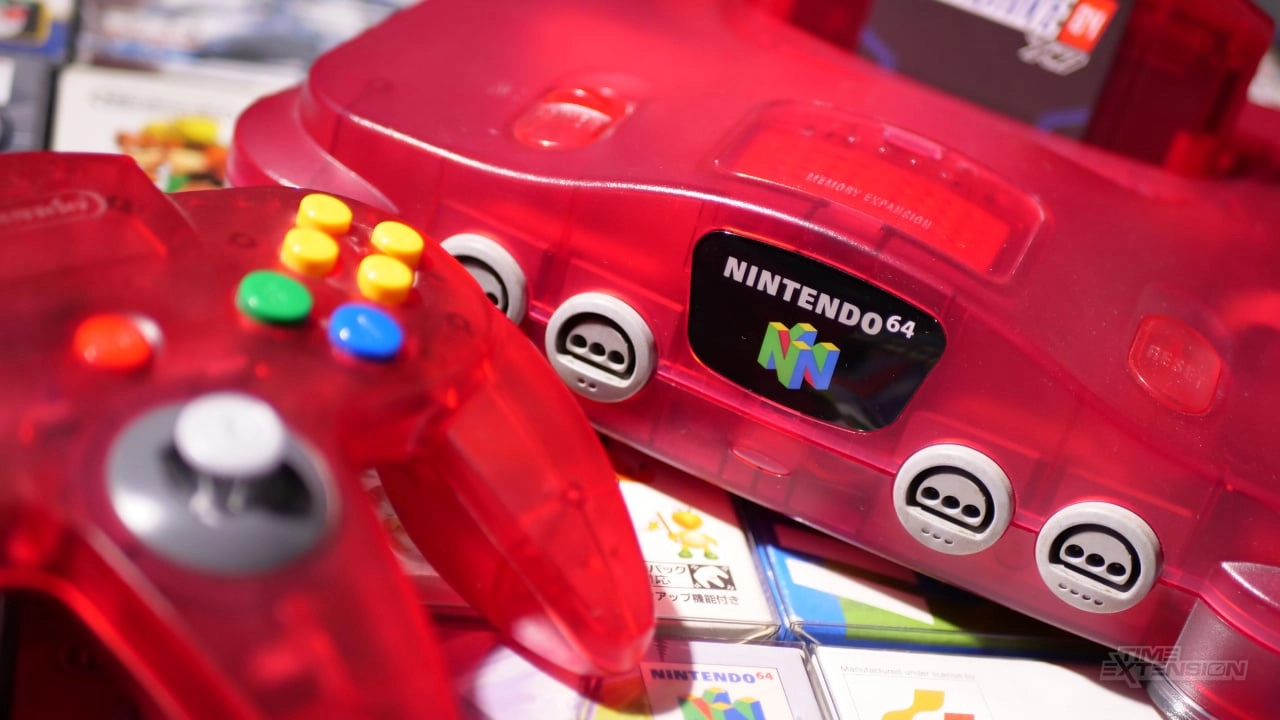
During the late 90s, the gaming industry witnessed a fierce competition between Sony's PlayStation and Nintendo's N64. While both entered the scene with strong ambitions, it became apparent that PlayStation was gaining the upper hand in terms of global sales, especially in Japan. While Nintendo's N64 was doing relatively well in Western markets, securing a second-place position, the former giant found itself trailing behind Sony's offering in its home territory. The final sales for the N64 in Japan were reported at around 5.54 million units, a surprisingly low figure compared to its competition.
What led to the N64's diminished presence in the market? Several factors played into this outcome, including the robust lineup of games available for the PlayStation and Sega Saturn and Nintendo's less-than-stellar third-party support. This lack of third-party support was, in part, due to Nintendo's decision to use cartridges instead of transitioning to CD-ROMs, which were significantly cheaper and allowed for larger game sizes.
Amidst this competitive landscape, a particular moment stood out: the renowned Dragon Quest VII announced its transition to PlayStation in early 1997. This move caused an uproar, shaking the confidence of N64 users and indicating a shift in industry allegiances. Amidst this backdrop, a previously untranslated interview with Nintendo R&D3 general manager Genyo Takeda, who led the development of the N64, surfaced, providing valuable insights into Nintendo's perspective during this challenging time.
In the interview, Takeda acknowledged the success of the PlayStation, pointing out Sony's strategy to pursue a broad library by encouraging a multitude of developers to create an "abundance of software." This approach differed significantly from Nintendo's, which focused on producing fewer but higher quality titles. Interestingly, Takeda expressed a form of respect for the diversity that PlayStation's strategy brought to the market, even citing unconventional titles like "PaRappa the Rapper" as a positive outcome of their direction.
Yet, Takeda did not concede defeat nor did he frame the situation as a simple rivalry. Instead, he adopted a broader viewpoint, emphasizing Nintendo's desire to push the entire game industry forward, not merely to focus on a head-to-head battle with Sony. He stressed the importance of not limiting their vision to "Nintendo vs. SCE” but to look at how they could contribute to the evolution of gaming as a whole.
This philosophical approach did not translate to a lack of effort to compete, however. On the contrary, it demonstrated a certain level of strategic quiet confidence. Nintendo may have publicly appreciated PlayStation's achievements, but internally the company had always been known for closely guarding its policies and ambitions while crafting their next move.
The interview painted a picture of a company that, despite setbacks, was not ready to give up. Instead, it took on the challenges presented by the PlayStation's success as an opportunity to reevaluate and reassess its strategies. Nintendo's commitment to quality has been a defining trait through the years, often setting it apart from its competition. Whether this approach of focusing on a smaller collection of premium titles was ultimately the best response to Sony's massive library and success is up for debate.
The gaming landscape continues to change, with new players and technologies emerging, but the rivalry and respect between companies like Nintendo and Sony serve as a compelling narrative that shapes the industry's history. Both companies contribute to the industry's growth in their unique ways, but what remains clear from the interviews and records of that era is that Nintendo, even when it seemed to be in second place, still viewed the evolution of gaming as a communal goal rather than a solitary race to the top. As the industry evolves, the principles and strategies these gaming giants adopt will continue to influence not only their trajectories but also the experiences of gamers worldwide.

You must be logged in to post a comment!
