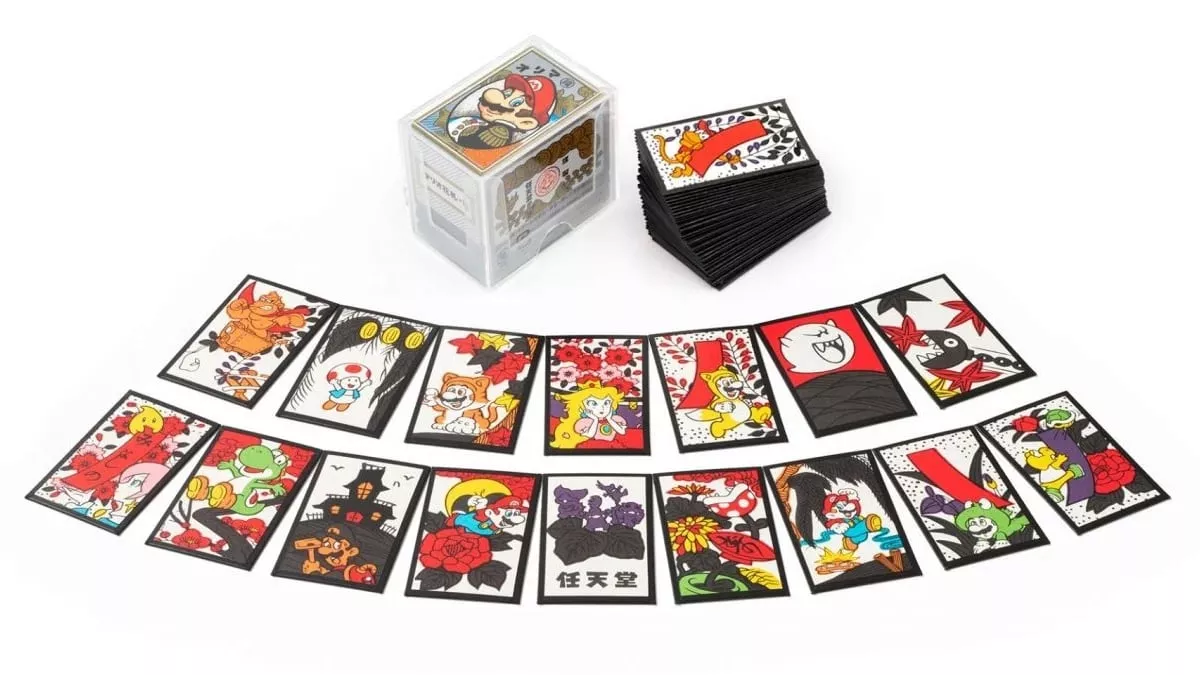
Today, a significant milestone is reached by one of the most influential names in entertainment – Nintendo is celebrating its 135th anniversary. Founded in Kyoto on September 23, 1889, by Fusajiro Yamauchi, Nintendo began as Nintendo Koppai, a small company producing hanafuda playing cards. These playing cards, known for their intricate designs and cultural significance in Japan, quickly became popular, especially in gaming circles run by yakuza after a nationwide clamp-down on gambling.
Over the decades, Nintendo’s business evolved significantly. While it initially continued to focus on the production and sale of playing cards, the company ventured into new areas, including toys and games in the mid-20th century. This pivot was crucial in transforming the company into the video game giant we recognize today.
In its early foray into electronic entertainment, Nintendo created the "Color TV-Game" consoles in the 1970s, which played simple versions of tennis and other games directly on a television set. But it wasn’t until the early 1980s, with the release of the Nintendo Entertainment System (NES) and the iconic game characters like Mario, that Nintendo became a household name across the globe. Mario, created by game designer Shigeru Miyamoto, became the unofficial mascot of the company and has since starred in over 200 games.
The transition from a card company to a video game powerhouse speaks volumes about Nintendo's ability to innovate and adapt. The company’s influence extended even further with the introduction of subsequent gaming consoles like the Super Nintendo Entertainment System (SNES), the Nintendo 64, and more recently, the Nintendo Switch. Each platform introduced revolutionary technology and game titles that have delighted fans and pushed the boundaries of what video games could be.
Nintendo's knack for innovation is further underscored by its ventures into portable gaming. The Game Boy, released in 1989, changed the landscape of gaming by allowing people to carry their games with them wherever they went. This portable device, along with its successors like the Nintendo DS and Nintendo 3DS, solidified Nintendo's reputation as a leader in the gaming industry.
In recent years, Nintendo's engagement with fans has expanded into different mediums including theme parks and mobile applications. The Nintendo theme areas in Universal Studios parks around the world and the development of apps such as Pokémon GO showcase the company's ongoing efforts to reach broader audiences and enhance gaming experiences in daily life.
In addition to product innovation, Nintendo has also been a leader in intellectual property protection and creative entertainment solutions. Its strong stance on copyright and patent protections has been part of its strategy to maintain quality and creativity in its products, ensuring that fans receive the best gaming experience possible.
Throughout its history, Nintendo has also faced challenges, including fierce competition in the gaming industry and changing market dynamics. However, its dedication to quality, innovative game design, and the ability to tap into both nostalgia and forward-looking technology has helped it to remain a dominant player in the industry.
As Nintendo celebrates this historic milestone, the legacy of its iconic games and characters continues to resonate with fans old and new. The company's journey from a small card-making company to a leading force in the global gaming industry offers a compelling story of innovation, perseverance, and the enduring power of play. Nintendo’s ability to continuously engage and surprise its audience bodes well for its future, as it embarks on the next century of entertainment, promising more adventures and joy for generations to come.

You must be logged in to post a comment!
