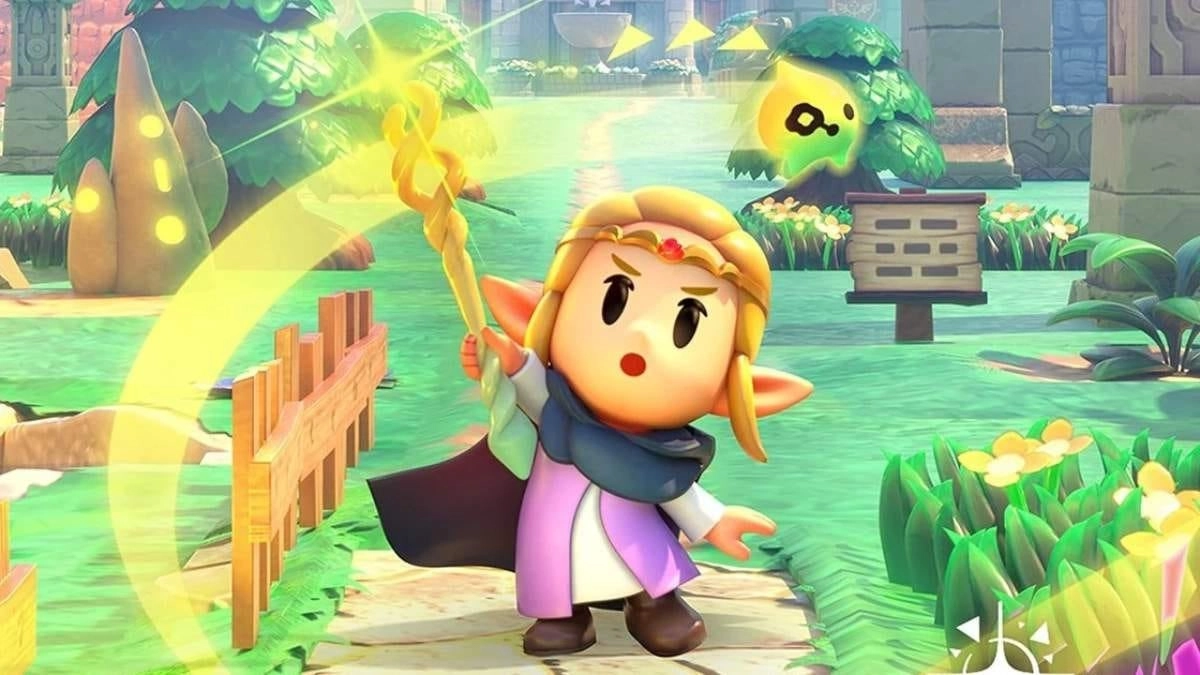
Nintendo, the globally renowned video game company, has recently updated the official timeline of its beloved The Legend of Zelda series to include its latest installment, "The Legend of Zelda: Echoes of Wisdom." This series has been a cornerstone of Nintendo's offerings, captivating players with its intricate world-building and engaging narratives.
The addition of Echoes of Wisdom is significant as it slots into a crucial part of the timeline known as the "Hero is defeated" branch. This particular pathway in the timeline stems from an alternate outcome in the pivotal game "Ocarina of Time," where the hero, Link, fails in his quest, leading to a series of events marked by his defeat. This branch is notably darker and includes the decline of the Kingdom of Hyrule, setting a somber backdrop for the games that follow.
In Echoes of Wisdom, players are thrust into yet another dire situation. The game begins with the hero Link attempting to rescue Princess Zelda from the clutches of the notorious villain Ganon. Despite defeating Ganon, Link is swallowed by a mysterious rift, disappearing without a trace. This strange phenomenon spreads across Hyrule, with rifts appearing and abducting more inhabitants, including the king and his advisers. With her father and Link gone, Princess Zelda is compelled to embark on a perilous journey to save them and the entire kingdom.
The timeline placement of Echoes of Wisdom is immediately after another game in the series, Tri Force Heroes, and precedes the era called the 'Decline of the Hyrule Kingdom'. This period marks a series of games exploring the ramifications of the hero's failure, delving into themes of loss, resilience, and the fight against impending doom.
Interestingly, Nintendo has often stated that it considers the Zelda timeline "to an extent" during the development process, indicating that gameplay experience and innovation may take precedence over strict adherence to narrative continuity. This philosophy was echoed by Zelda series producer Eiji Aonuma, who emphasized the importance of gameplay over narrative in ensuring that players have a compelling and enjoyable experience. According to Aonuma, crafting a game that players love to explore and engage with is often prioritized over fitting perfectly within the timeline's constraints.
The nuanced approach to handling the timeline isn’t just a behind-the-scenes decision; it impacts the way fans interact with the games. It encourages players to think deeply about the storyline, engage in discussions, and even formulate their own theories about how each game connects to the others. This has led to a vibrant community of Zelda enthusiasts who share ideas and interpretations, enhancing the overall fandom.
Echoes of Wisdom's reception will ultimately depend on how well it integrates these beloved elements of gameplay with the new twists it brings to the series' story. As it stands, the release of this new title not only expands the mythical geography of Hyrule but also deepens the lore associated with a timeline that has captivated players for decades.
Nintendo's decision to continually develop the Zelda timeline showcases its commitment to building a rich, interconnected universe that grows with its audience. Each addition not only brings new adventures and challenges but also reinvigorates interest in previous titles, drawing new players and pleasing long-time fans. As the timeline evolves, it remains a testament to Nintendo's dedication to its craft and the enduring appeal of the Zelda series. The journey through Hyrule, no matter which path it takes through the corridors of time, promises to be as enchanting as ever.

You must be logged in to post a comment!
