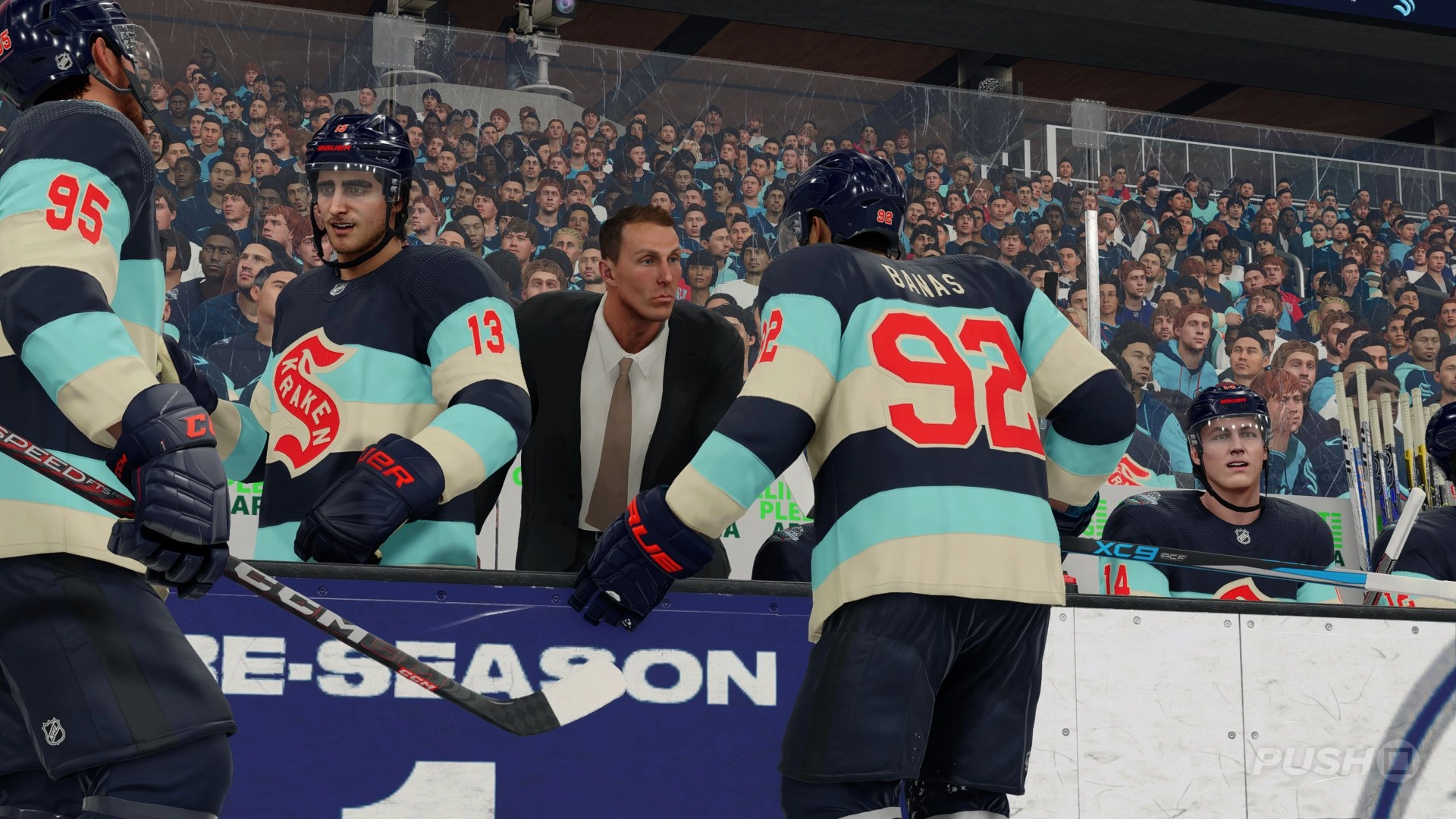
NHL 25, the latest installment in EA Vancouver's long-running series, aims to bring hockey enthusiasts back to the virtual ice with promises of improved artificial intelligence and better gameplay. However, as we dive into the details, it becomes apparent that while some changes add value, many aspects of the game continue to underwhelm, especially in comparison to dramatic innovations seen in other sports gaming franchises.
One of the most talked-about introductions in NHL 25 is the ICE-Q system. This new AI logic promises more realistic player behavior, with computer-controlled skaters displaying enhanced ability to read and react to game situations. This change theoretically allows for more dynamic puck cycling and strategic play, particularly during breakout plays—an area the game has historically struggled with. Yet, despite these advancements, many players may only notice marginal improvements, requiring a keen eye to fully appreciate the subtleties of enhanced AI decision-making.
The gameplay mechanics, closely tied to the user's experience of these new AI capabilities, have not seen significant enhancements. While last year's control scheme update introduced some much-needed improvements, this year the movement of players on the ice still feels sluggish. Additionally, fundamentals like puck pickups are frustratingly inept, detracting from the fluidity of play which is crucial in replicating an authentic hockey experience. These issues extend into arcade modes such as Threes or Ones, where the lack of robust hitting mechanics dampens the otherwise chaotic and fun nature of these fast-paced variants.
On a more positive note, NHL 25's Franchise mode has been retooled substantially. Sporting a refreshed user interface borrowed from the Be a Pro mode, it offers a cleaner and more navigable system for managing team operations. Although not groundbreaking, these tweaks support a more immersive management experience. Users can now influence player play styles to better suit team strategies and engage more directly in free agent signings, adding layers of strategy previously absent.
Another notable enhancement is the Grudge Match system, a feature designed to foster long-lasting rivalries between teams or specific players throughout the season. This addition, along with a much-improved replay system that echoes the depth of earlier titles in the series, bolsters the overall presentation aspects of the game. Long-time players will appreciate the return of comprehensive event views and archival box scores, which enrich the storytelling aspect of a season.
Unfortunately, aside from interface and systemic revisions in modes outside the core gameplay, NHL 25 offers little in the way of new content or major gameplay revisions. The Ultimate Team mode sees some consolidation in its economy, streamlining how players earn rewards and unlock items, which mildly reduces the pressure to spend real money on in-game advantages.
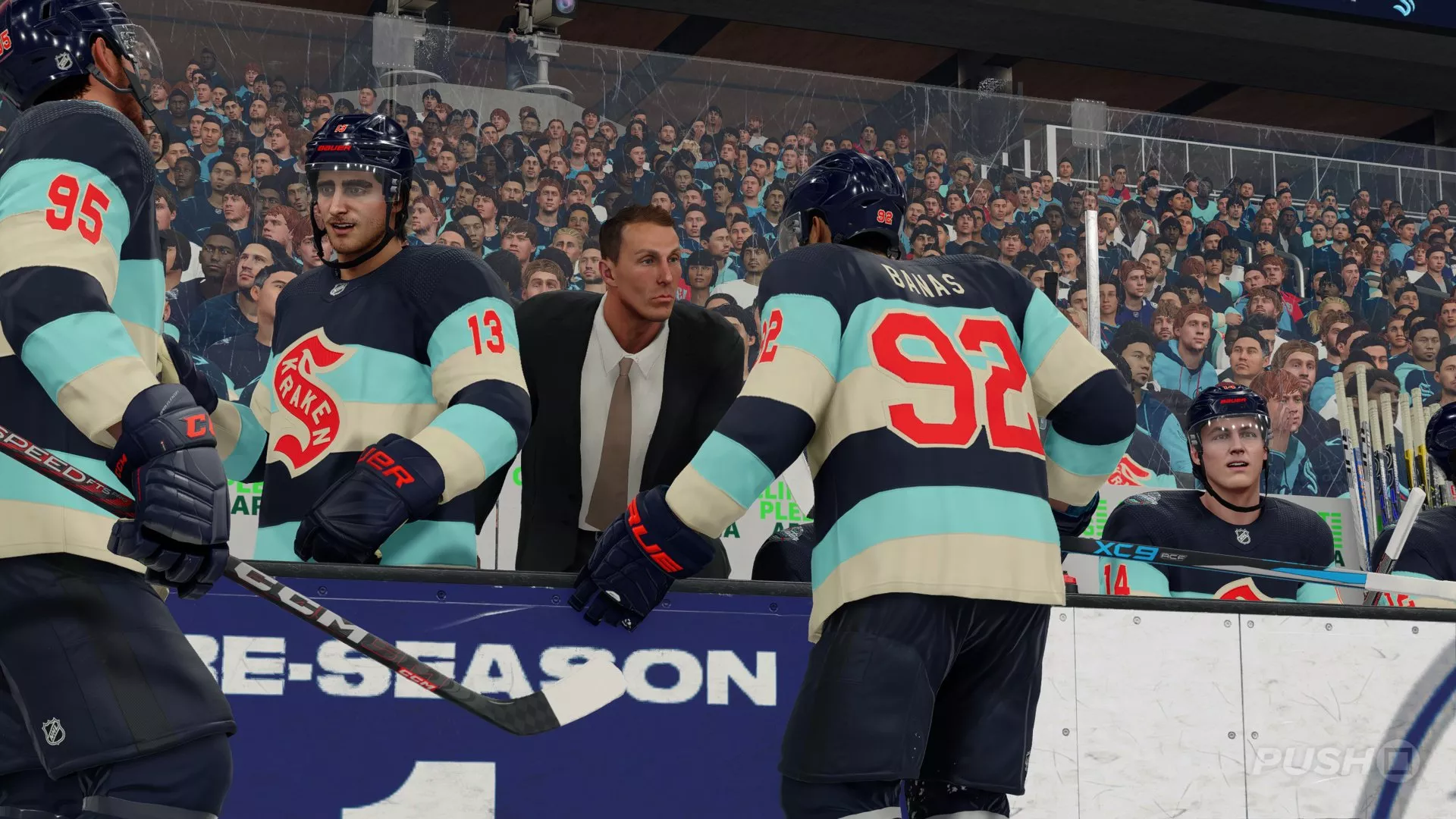
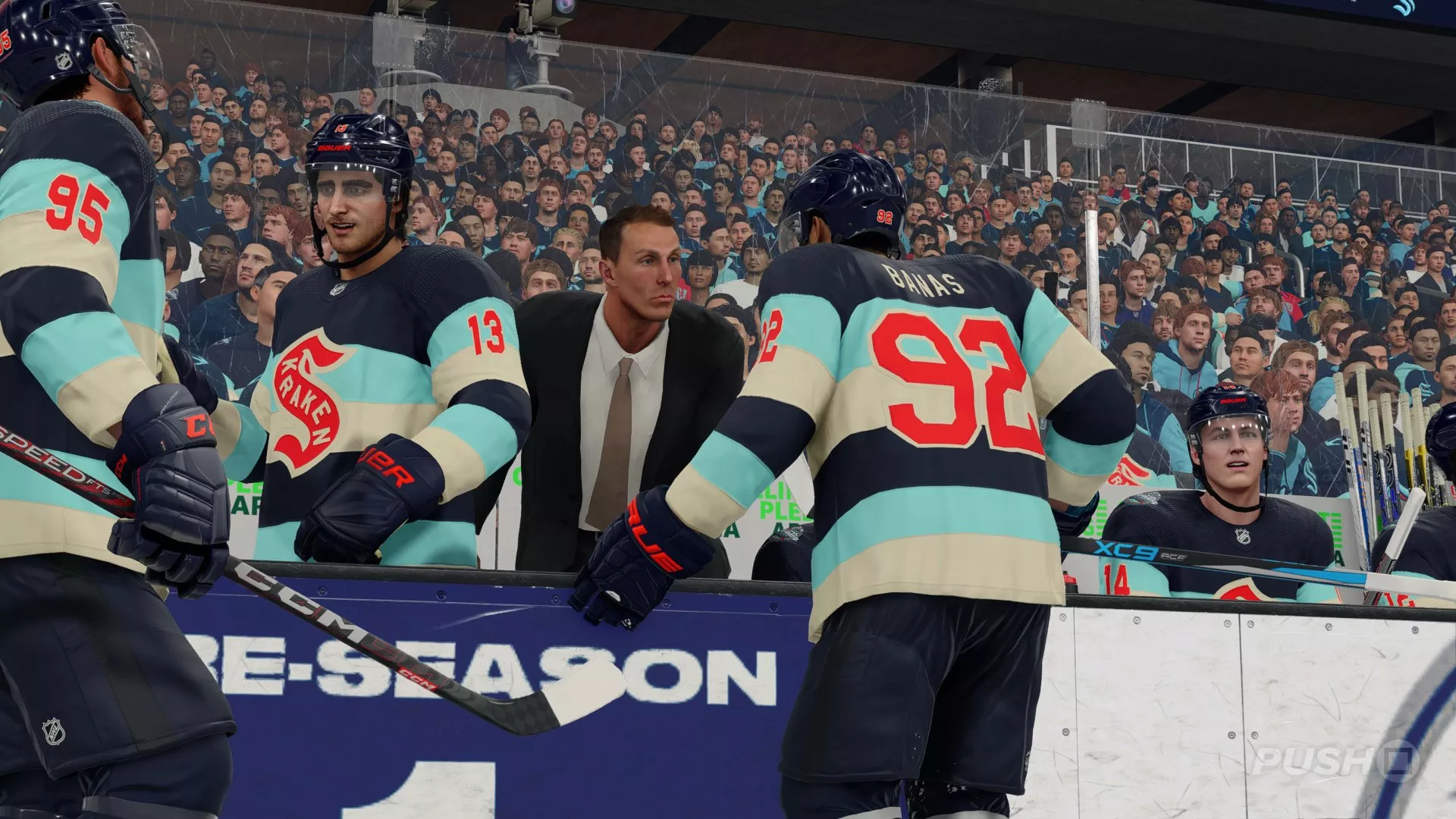
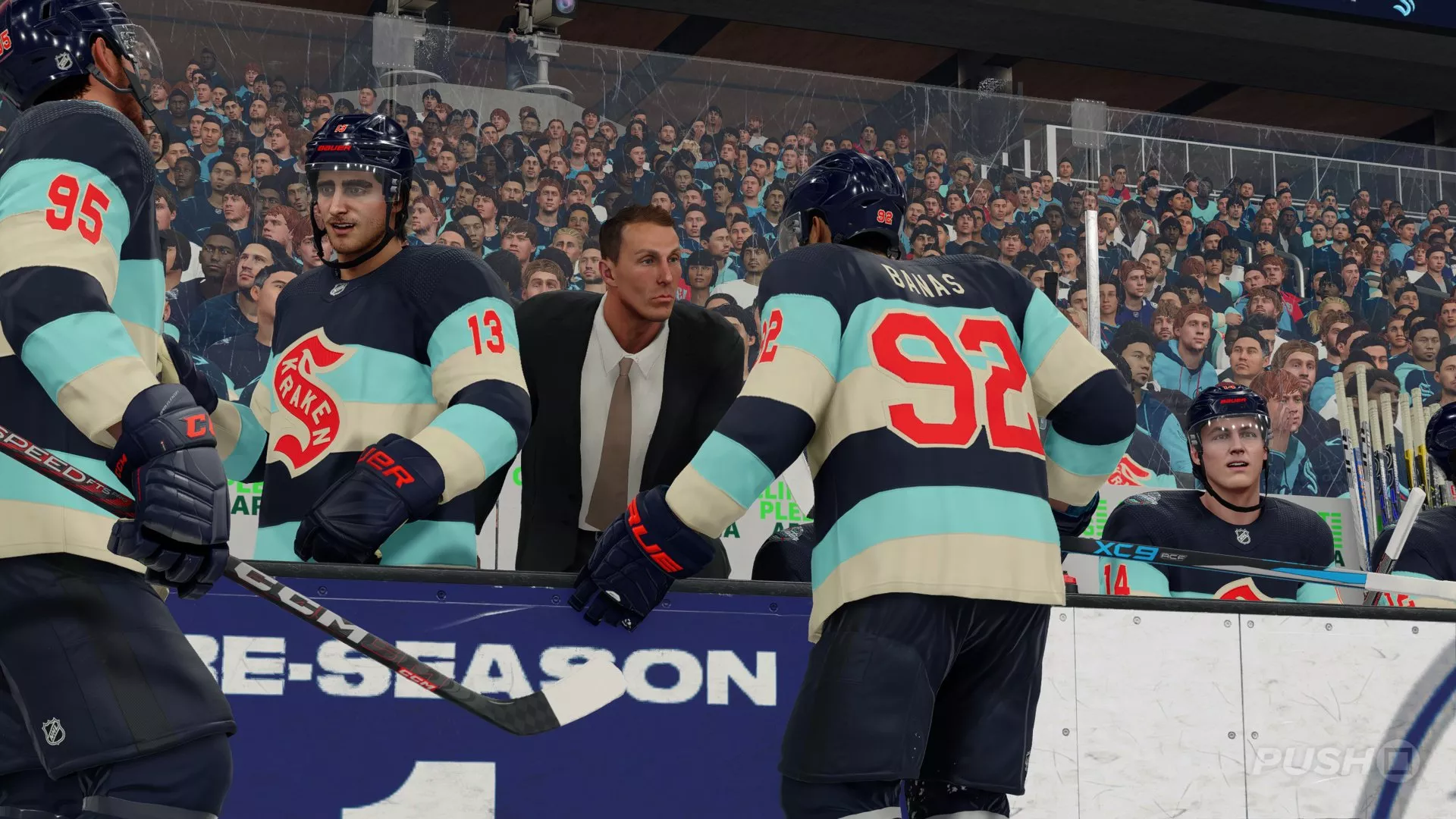
The visual and auditory presentation remains a strong point for NHL 25, with meticulously designed uniforms and authentic arena atmospheres that enhance the realism of each match. The addition of new animations, particularly for goalies, along with the accurate depiction of snow spray on players, adds a tactile feel to the on-ice action. Meanwhile, the soundtrack continues to be a highlight, featuring a mix of energetic tracks that complement the game's intense dynamics.
In essence, NHL 25 strides forward in some areas like AI logic and Franchise mode management but stumbles in others, particularly in refining gameplay mechanics and introducing novel content to keep the series feeling fresh. While die-hard fans of the franchise might appreciate the subtle upgrades, newcomers and casual players might find the improvements too incremental to justify a new purchase. As it stands, NHL 25 plays it safe, delivering a familiar experience with just enough tweaks to signal progress, but not enough to distinguish itself significantly from its predecessors.

You must be logged in to post a comment!
