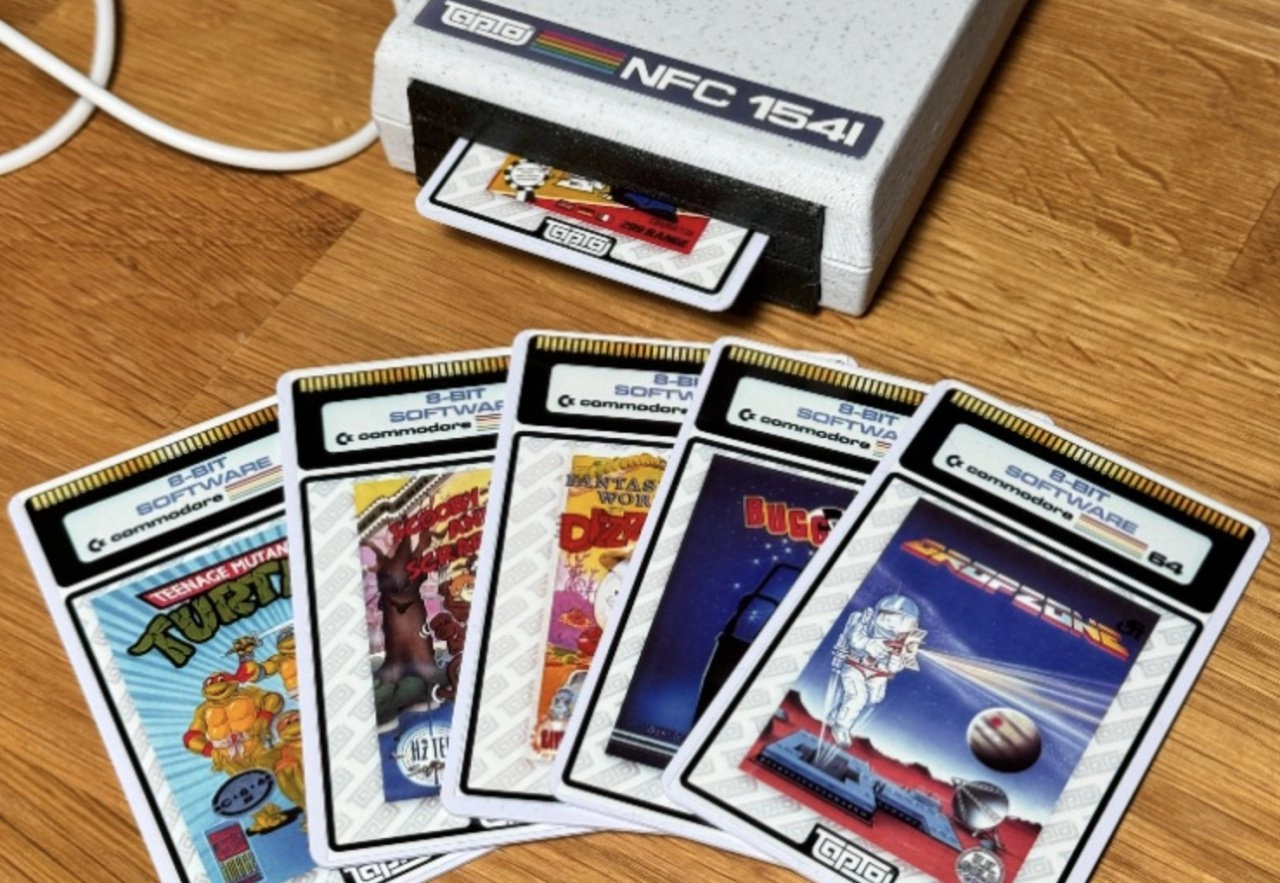
Emulation has transformed the gaming world, offering players the ability to access extensive libraries of classic games without the clutter of physical cartridges and discs. Yet, this convenience can sometimes overshadow the joy of traditional gaming where selecting a game to play involved physically picking out a video game cartridge and popping it into a console. For some, this tangible interaction is as integral to the gaming experience as the gameplay itself. Attempting to strike a balance between these worlds, an ingenious integration of modern technology with retro gaming has emerged through the use of Near-Field Communication (NFC) with MiSTer FPGA systems.
FPGA (Field-Programmable Gate Array) technology has played a crucial role in the emulation community, providing near-perfect reproductions of classic gaming experiences. The MiSTer FPGA platform, in particular, is favored for its capability to simulate vintage hardware accurately. However, scrolling through endless menus to select a game can feel disconnected and overwhelming. In response to this, developers have discovered a novel solution that offers the best of both worlds.
The innovation is simple yet transformative: NFC tags are programmed to act as triggers for launching games on the MiSTer FPGA system. The setup process involves a bit of technical maneuvering. Users need a script installed on their MiSTer system, an NFC-enabled smartphone, a USB NFC reader, and of course, the NFC cards or tags that will serve as the physical game-selecting medium. Once these components are in place, each card or tag can be linked to a specific game or programmed to randomly select a title from a curated list.
Using these NFC cards is reminiscent of the traditional action of inserting a game cartridge. When the NFC tag is tapped against the reader, it prompts the MiSTer FPGA to boot up the assigned game. This tactile interaction not only streamlines game selection but also instills a nostalgic sensation that many gamers yearn for—a feeling that purely digital libraries often fail to evoke.
Enthusiasm for this development has grown within the gaming community, inspiring creative extensions of the technology. Some gamers have embedded NFC tags within actual game boxes and cartridges, further enriching the physical connection to their digital game libraries. This practice enables them to literally take a game off the shelf, tap it onto the reader, and start playing, seamlessly blending the old with the new.
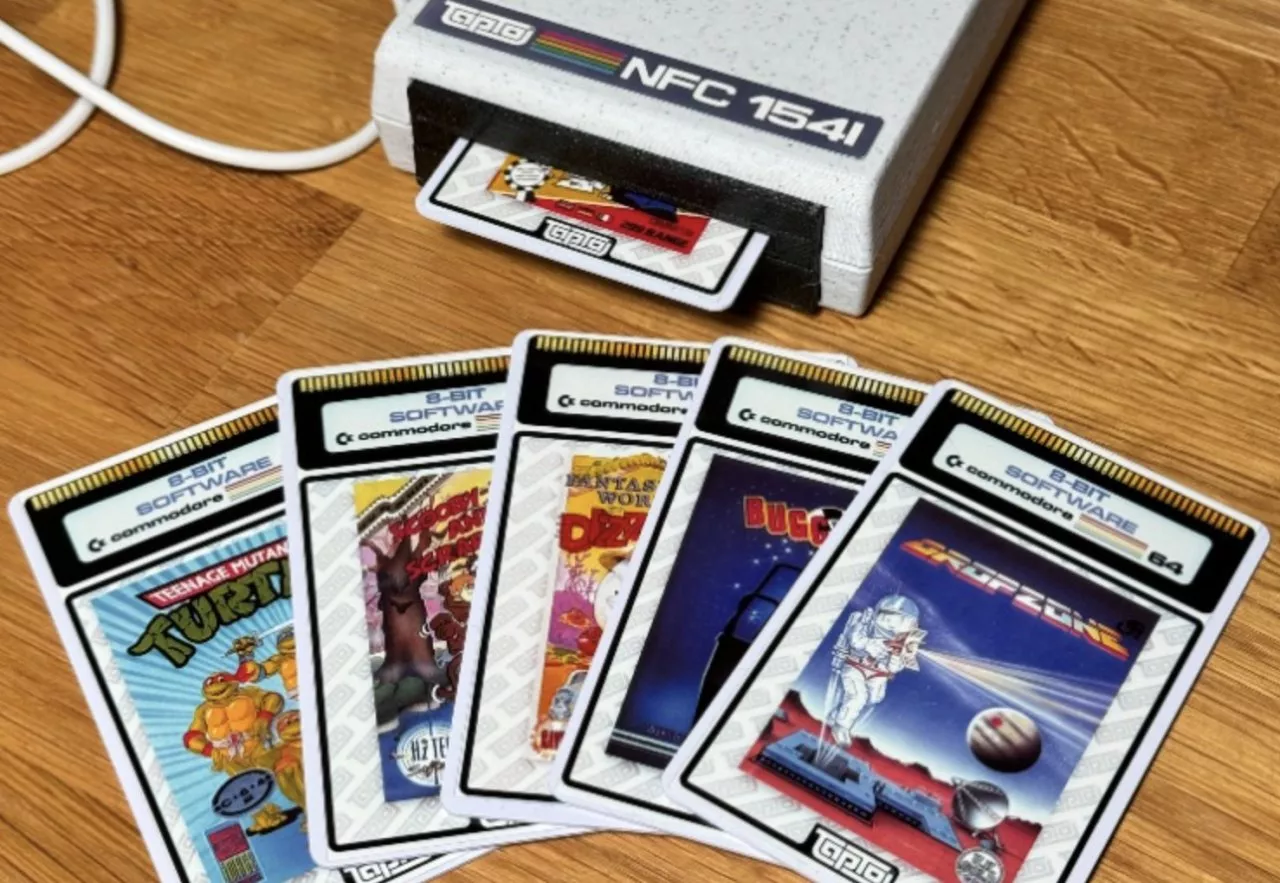
To add yet another layer of authenticity, custom stickers can be placed on NFC cards to make them resemble the artwork of traditional game packaging. It's an aesthetic choice that speaks volumes about the importance of the gaming ritual—the visual and tactile stimulation that was so much a part of the experience before the age of streaming and downloads.
The implementation of NFC tags for MiSTer FPGA systems is an elegant solution to a modern-day gaming dilemma. It marries the simplicity and space-saving advantages of digital emulation with the cherished, sensory experience of handling physical gaming media. For those who respect the past but embrace the future, this approach offers an immersive compromise, enhancing the act of playing retro games in a contemporary setting.
As the world of technology rapidly evolves, it's initiatives like these that ensure the history of gaming not only remains accessible but also continues to be celebrated in meaningful ways. For gamers who value the nostalgia just as much as the gameplay, this new development represents a thoughtful appreciation of gaming's roots, and a nod to the enduring legacy of retro games in an increasingly digital age.

You must be logged in to post a comment!