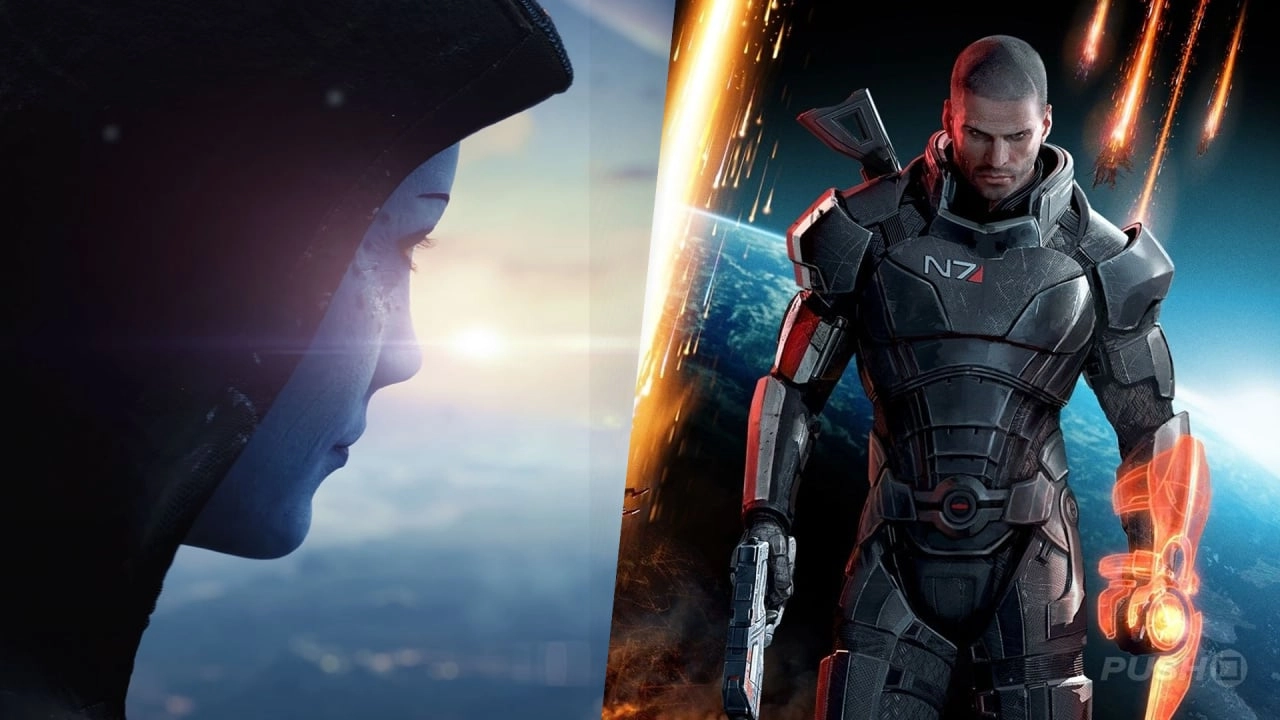
In the realm of video gaming, the visual and thematic direction of a long-standing series can significantly impact its reception and legacy. BioWare, a prominent name in the role-playing game (RPG) market, is at a junction with its two major franchises, Dragon Age and Mass Effect, each taking divergent paths in style and presentation. Michael Gamble, the project director for the forthcoming Mass Effect installment, has made clear distinctions about the future of this beloved series.
While Dragon Age has ventured into more stylized graphics with its newest release, Dragon Age: The Veilguard, Mass Effect is set to maintain the aesthetic continuity that fans have come to expect. The Veilguard took a departure from its predecessors’ visual style, which shifted the discussion among fans and critics alike. Despite an initial mixed reception to the change in Dragon Age’s appearance, The Veilguard managed to captivate its audience, ultimately receiving a favorable review of 8/10 for its cohesive and emotionally engaging experience, albeit with a noted lack of meaningful player choices.
The changes in Dragon Age sparked concerns among Mass Effect enthusiasts, worried that their favored sci-fi saga might undergo similar stylistic changes. However, Michael Gamble put these fears to rest through his active engagement on social media. In response to fan inquiries on Twitter, Gamble emphasized that "Mass Effect is Mass Effect," highlighting the unique considerations that go into bringing a sci-fi RPG to life compared to other genres or intellectual properties handled by BioWare.
Gamble firmly stated that the upcoming Mass Effect title would “maintain the mature tone of the original trilogy.” He addressed the visual concerns by promising to keep the game's graphics “photorealistic” as long as he is at the helm of the project. This commitment is crucial, as the series is renowned for its cinematic quality and detailed visualization of futuristic settings and alien life forms, which greatly enhance the narrative and immersive experience of the game.
Mass Effect's historical success has been largely due to its blending of rich storytelling, complex characters, and a visually engaging universe. Gamble’s reassurances are likely aimed at preserving the core elements that have defined the series and have resonated so strongly with its audience. His strategic decisions will impact how the project evolves while nurturing the elements that fans cherish.
This approach by Gamble and BioWare might be seen as a conservative one, but it is a testament to understanding and respecting the legacy of a game series that has built a dedicated following over nearly two decades. While innovation and change are inevitable and necessary for growth, finding the balance between evolving a game's features and maintaining the essence that originally captured the hearts of its audience is a delicate task.
Dragon Age's latest iteration, despite venturing into new artistic territory, demonstrates BioWare's willingness to explore and innovate within their game universes. However, the specific choice to keep Mass Effect anchored to its roots highlights a nuanced strategy of differentiating game development approaches within the same company based on the unique characteristics and expectations of each series.
As anticipation builds for the new Mass Effect installment, fans can now rest easier knowing the game will continue to deliver the hallmark mature and photorealistic experiences they have come to expect. How BioWare manages these expectations while still pushing the boundaries of modern gaming will be an intriguing aspect to watch. With Michael Gamble at the helm, the iconic series seems poised to respect its past while stepping boldly into the future.

You must be logged in to post a comment!
