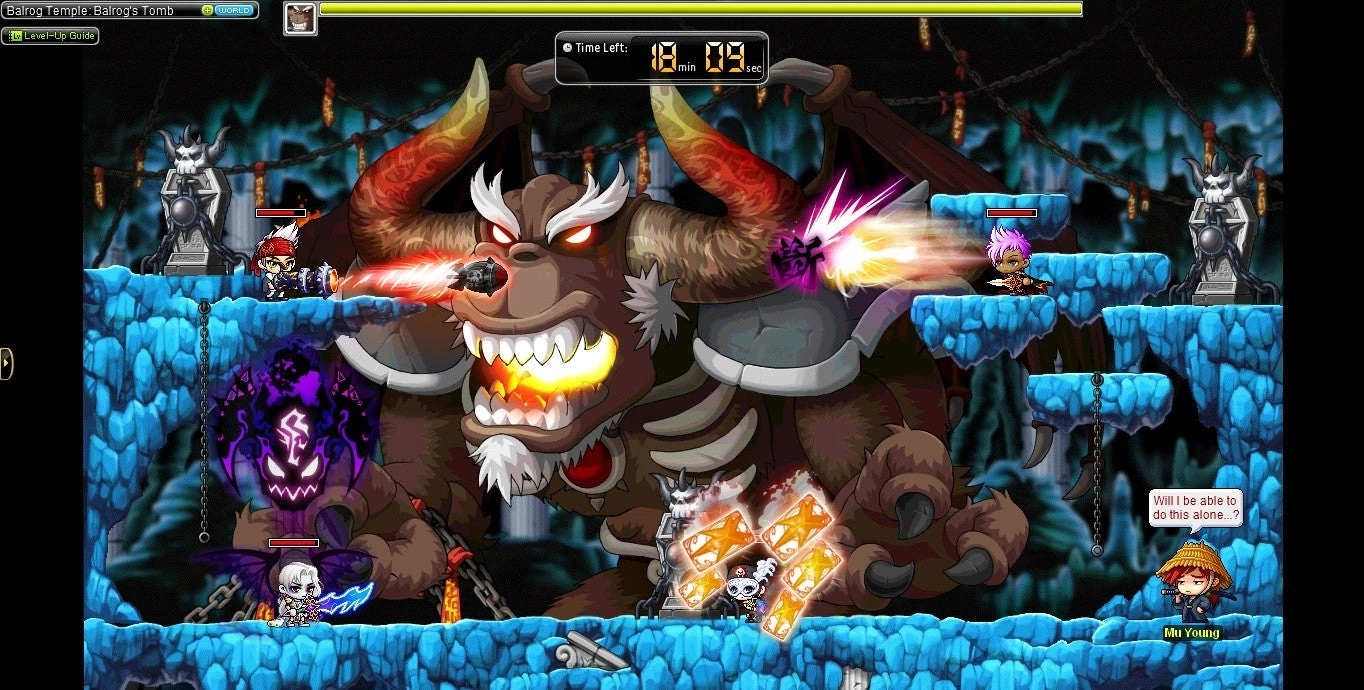
MapleStory publisher Nexon is facing serious financial and reputational consequences after being hit with an unprecedented fine for deceitful practices regarding its game's loot box mechanics. The company, a major player in the gaming industry, has been ordered to pay roughly 11.6 billion won (approximately $8.9 million) by the Korea Fair Trade Commission (KFTC), South Korea's regulatory authority on fair trading.
This punitive measure comes as a result of the company's handling of "Cubes," a vital in-game item in its free-to-play massively multiplayer online (MMO) game called MapleStory. The game operates under a 'gacha' system, a monetization practice similar to loot boxes, where players spend real money to receive a random virtual item. In May 2010, Nexon introduced Cubes into MapleStory at a price of about 2000 won each, which roughly translates to $1.50 with current exchange rates.
Initially, these Cubes were understood to have equal chances of providing various desired character equipment. However, as reported by the Korea Economic Daily, starting in September 2010, Nexon began secretly manipulating the drop rates. This alteration made it more difficult for players to obtain specific sought-after items, especially between August 2011 and March 2021, a period during which Nexon is reported to have made substantial revenue from Cube sales.
The company's covert adjustment of the odds was not made known to the players. Furthermore, the KFTC alleges that Nexon falsely assured its customers in August 2011 that no changes had been made to the drop rates. Kim Jung-ki, the director of the market surveillance department at the Korea Fair Trade Commission, highlighted that because of the significant role that Cubes play in MapleStory, along with the extended period over which these dishonest practices took place, and given that this isn’t Nexon’s first such transgression, the sizeable fine is justified. The earlier violation mentioned involved misleading players about certain lottery items in another game called Sudden Attack, resulting in a fine of 939 million won for Nexon.
Nexon's response to this decision has been muted, and while they have considered challenging the KFTC's ruling or pursuing legal remedies, they have yet to make a substantial public statement.
The fine against Nexon is part of a broader global scrutiny regarding in-game purchases and microtransaction practices, particularly with regards to their resemblance to gambling and the impact on minors and vulnerable groups. Legislative actions worldwide have attempted to regulate these mechanisms. For instance, in 2018, Belgium's Gaming Commission equated loot boxes found in games like Overwatch and Counter-Strike: Global Offensive to gambling, necessitating their removal, although subsequent reports hinted at lax enforcement.
More recently, the European Union Parliament called for reforms across the gaming industry in January 2023, and Australia has introduced new classifications for games containing loot boxes and simulated gambling as of March 2023. Furthermore, in the United Kingdom, game industry stakeholders agreed to limit access to loot boxes for underage players after government intervention in July of the previous year.
These regulatory developments signal a rising awareness and increasing measures to ensure transparency, fairness, and ethical standards within the gaming industry. The actions taken by South Korea against Nexon emphasize the importance of maintaining consumer trust and the potentially steep consequences for companies that fail to do so. It remains to be seen how Nexon will navigate this situation and whether their case will set a precedent that might influence future regulatory actions and industry practices concerning in-game purchases and loot box mechanics.

You must be logged in to post a comment!
