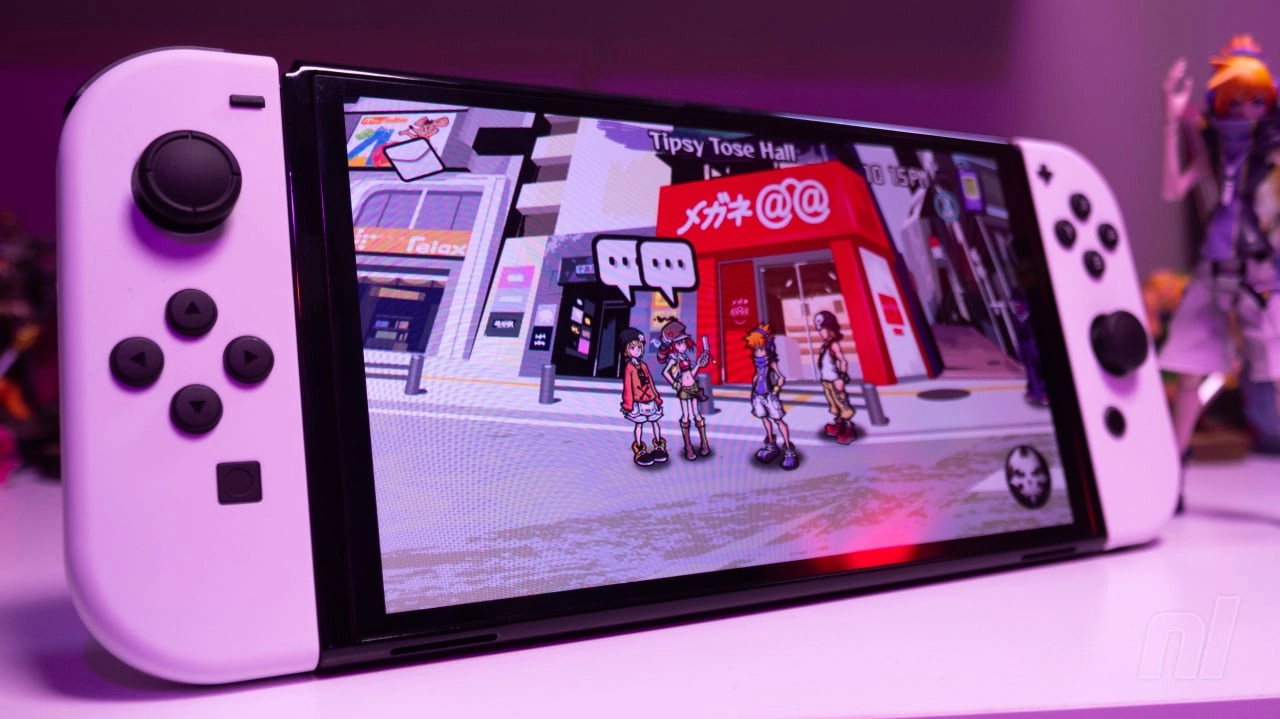
In the ever-evolving battle between game emulator developers and console manufacturers, a new player has emerged amid a legal skirmish. Earlier, Yuzu, a popular Nintendo Switch emulator, was shut down following legal pressures from Nintendo, known for its tight grip on intellectual property rights and opposition to unauthorized emulation. Yuzu's demise, however, set the stage for a new emulator named Suyu—a project that seeks to dodge the legal challenges that plagued its precursor.
Suyu, named with a rather cheeky nod to the potential legal confrontations it could face, is leveraging Yuzu's open-source codebase to continue its legacy. The developers behind Suyu are on a mission to successfully bring to life a new tool for playing Nintendo Switch games, though its release to the public is still on hold as they sort through technical and legal concerns. The team is hopeful but cautious, knowing the recent history of emulators like Yuzu.
What sparks curiosity is the tactic—how might Suyu avoid the fate that befell its counterpart? Sharpie, a contributor and moderator for the project, provided some insights into their strategy. In an interview with Ars Technica, they explained that Suyu would shun key paths that might attract legal prosecution. Unlike Yuzu, Suyu plans to strictly avoid any form of monetization, providing a strong distinction between the two projects. The team has committed not to facilitate users in accessing copyrighted games and has shunned the idea of piracy, which were among the major legal sticking points for Yuzu.
The Suyu emulator's approach to encryption keys is intended to reinforce its goal of staying legitimate. Users will be required to provide their own keys, ideally obtained from a legitimately purchased Nintendo Switch. Developers of Suyu acknowledge the difficulty in ensuring that all keys are obtained legally but hope this move will further distance them from notions of piracy and illegal activity.
Yet, legitimate as the intentions of Suyu's creators may be, the shadow of Nintendo's legal might looms large. The tech titan has recently enjoyed several victories over emulators and has a history of staunchly defending its intellectual property. This intensifies the anticipation around Suyu's launch and its potential success—or the possibility of swift legal intervention.
In an industry where the lines of ownership and access continually blur due to technological advancements, emulator developers often find themselves in a difficult position. The discussion around emulation presents an ongoing debate. Emulators like Suyu, which allow gamers to experience titles on alternative platforms, can sometimes be seen as offering flexibility and preservation in a rapidly changing digital landscape. However, they also provoke serious legal questions about copyright, intellectual property rights, and the potential for piracy.
Suyu's tentative steps towards release suggest that the team behind it is moving with deliberate caution. They are painstakingly navigating the complex web of legalities that entangle such projects, all the while maintaining a passion for making Nintendo Switch games more accessible. Only time will tell whether Suyu can successfully duck under Nintendo's watchful gaze and become a mainstay for emulation enthusiasts, or if it will become yet another tale of a fan-driven project halted by corporate protection of intellectual property.
As it stands, the excitement and apprehension surrounding Suyu's development encapsulate the ever-present tension between innovators seeking to broaden the horizons of gaming and the industry giants keen to protect their creations. Gamers and observers alike will be watching keenly, pondering the same question: Can Suyu succeed or will it succumb to Nintendo's vigilant legal team? Whatever the outcome, the saga of game emulation continues to be a captivating narrative of modern gaming culture.

You must be logged in to post a comment!
