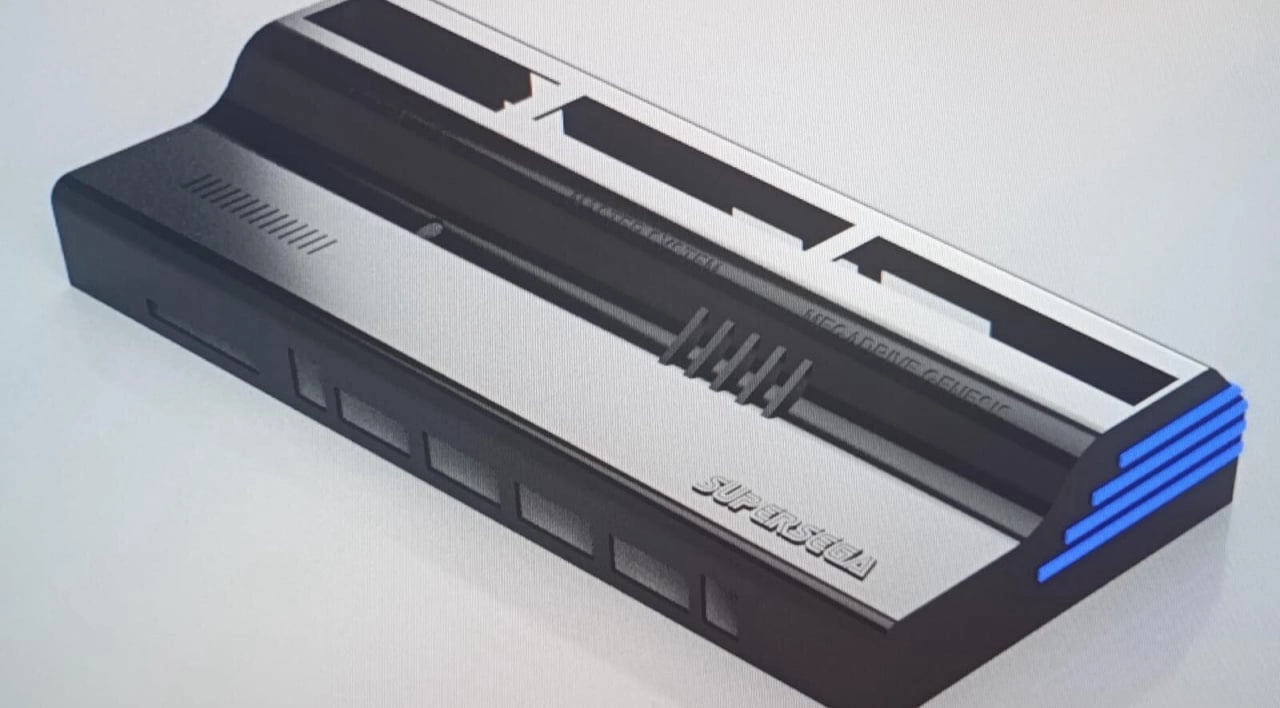
In the evolving world of gaming hardware, retro consoles have carved out a niche, capturing the nostalgia of gamers who long to reconnect with their gaming roots. Recently, the SuperSega FPGA console has sparked interest with its promise to bring back classic Sega games through modern technology. FPGA (Field-Programmable Gate Array) is a type of hardware that can simulate the original hardware of classic gaming consoles, providing an authentic gaming experience that appeals to purists and enthusiasts alike.
The SuperSega aims to support a wide array of Sega platforms, including Sega Master System, Mark III, Mega Drive/Genesis, Saturn, and Dreamcast. This breadth of compatibility is ambitious and suggests a versatile system that could replace multiple classic consoles with a single, streamlined device.
The development team behind SuperSega has been actively engaging with their community and potential customers through updates and teasers. Recently, they showcased the console's new case design through a YouTube video, hinting at the final product's aesthetic and functional design. This update comes at a significant time as the team announced they are nearing 200 confirmed pre-orders for the console.
Despite the positive developments, SuperSega’s journey has not been without its challenges. The project faced skepticism early on, with accusations that it might be vaporware—a term used for announced products that never actually materialize. Skeptics questioned the authenticity of earlier demonstration videos showing the console running original game cartridges. Concerns were also raised about the design of the PCB (Printed Circuit Board) and the overall legitimacy of the crowdfunding campaign.
Additionally, there are legal concerns regarding the use of the "Sega" name in their product, which could pose trademark issues, although the team has not shown significant worry about this potential problem.
To address doubts and garner more support, the SuperSega team plans to release new videos aimed at proving the console's capabilities and legitimacy. Their communication stresses that parts of the current prototype are placeholders, not final components, and that the core functionalities like FPGA, cartridge slots, HDMI output, and USB connections are operational.
The enthusiasm for the SuperSega is palpable among its supporters, especially those who have been following the project from its early days. The team has also announced a structured preorder system: those committing to a preorder now are promised an early production unit by early 2025, with a limited first batch of 300 units. This strategy not only builds anticipation but also limits the risk of overproduction as the team gauges the market's interest.
Looking forward, the SuperSega team is planning a crowdfunding campaign by the end of November or early December, targeting an additional allocation of 200 units at a special price for early backers. This phase is critical as it will likely determine the financial viability and future production scalability of the console.
The promise of the SuperSega FPGA console has captured the attention of gaming enthusiasts eager to revisit their favorite Sega games in a modern format. The forthcoming crowdfunding campaign will be a significant indicator of the project's potential success and its ability to meet the nostalgic desires of its target audience. As the launch date approaches, the gaming community will be watching closely, hopeful yet cautious, about the revival of their cherished gaming memories through SuperSega.

You must be logged in to post a comment!
