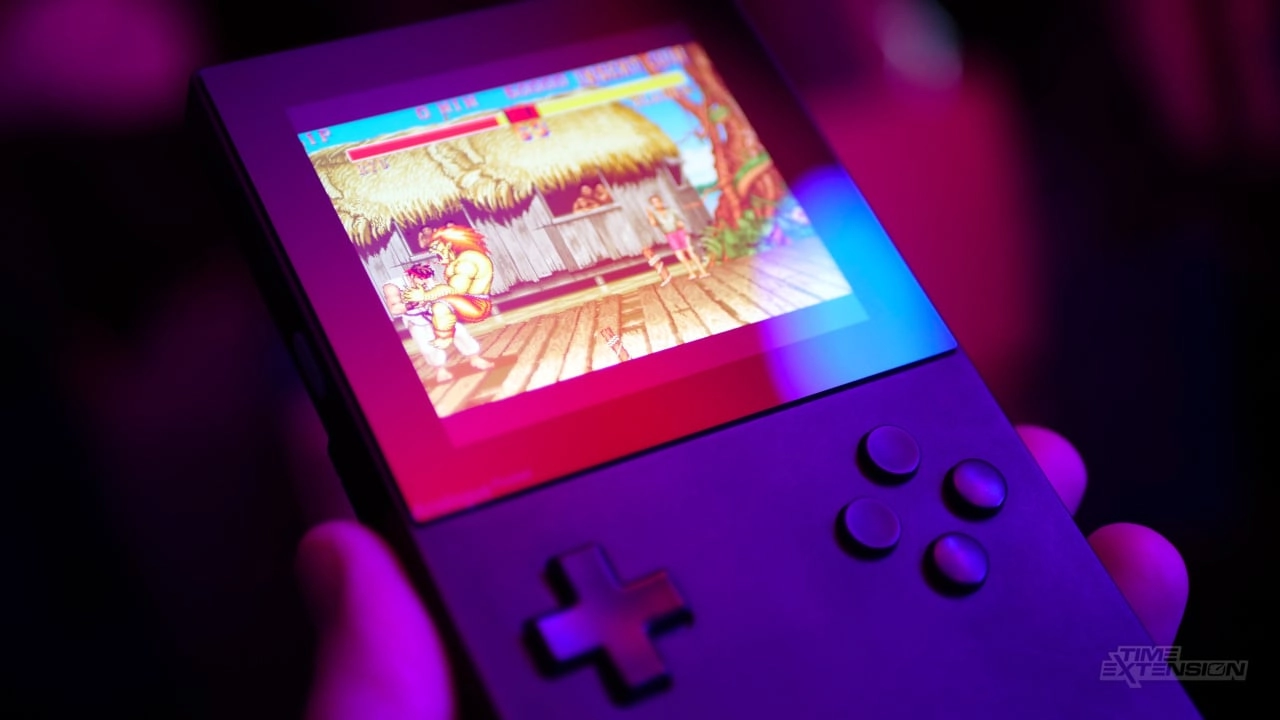
In the evolving world of handheld gaming, a new contender is soon to emerge, promising to give the highly acclaimed Analogue Pocket a run for its money. This new device, still in the development phase, is spearheaded by Taki Udon, a notable figure in the retro gaming hardware scene. Taki Udon has been actively sharing updates on his latest project, which leverages FPGA (Field-Programmable Gate Array) technology, much like its competitor, the Analogue Pocket.
The highlight of this new device is its display technology; it will feature an AMOLED screen, as opposed to the Analogue Pocket's LTPS LCD. AMOLED screens are renowned for their superior color accuracy, deeper blacks, and better contrast ratios. This choice in technology could potentially offer a more vibrant and engaging visual experience, which is paramount in re-living the colorful and dynamic visuals of retro games. According to Taki Udon, this screen will not only improve the aesthetic appeal but also enhance the adaptability of the device to various aspect ratios, a notable advantage when dealing with a wide array of vintage games designed for different screen types.
Another commitment from Taki Udon is to price the device attractively. He suggests that the handheld could maintain a suggested retail price of around $150 or less, provided there is sufficient market interest. This price point is particularly aggressive, considering the advanced technology involved and the niche appeal of FPGA-based systems, which are often more expensive due to their specialized nature.
Besides the screen, Taki Udon has emphasized that the system's D-pad will be a "non-issue," inferring that it will boast a high-quality digital pad, crucial for accurate and responsive controls in gaming. The inclusion of twin analogue sticks and front-firing speakers also indicates a design ethos that does not compromise on functionality, aiming to deliver an immersive gaming experience.
The device teases with these features seems geared to not just match but exceed the benchmarks set by its predecessors and competitors in various areas. Taki Udon has also revealed multiple FPGA projects including a flagship device, a mainstream variant, and a budget option, catering to different segments of the consumer market.
Despite the excitement, the exact stage of development and a definitive launch timeline for this FPGA handheld remain under wraps. Current updates from Taki Udon come mostly from his social media engagements where he occasionally posts about the ongoing hardware tweaks and software optimization processes.
The promise of an affordable, high-quality FPGA handheld in the market is an exciting prospect for retro gaming enthusiasts. FPGA technology offers a way to accurately recreate vintage hardware through modern chip architecture, preserving the original gameplay experience without the use of emulation. This technology is especially crucial for the community that values authenticity in their retro gaming experiences.
This device not only stands to intrigue hobbyists who enjoy dabbling with retro hardware but might also appeal to a broader audience looking for a portable gaming option with a focus on classic games. As the development continues and more details surface, the gaming community eagerly watches, hopeful for a new product that balances nostalgia with cutting-edge technology efficiently.
Adding to the growing anticipation is the competition this device introduces into the FPGA scene, which has been heating up with various makers trying to outdo each other in recreating perfect, portable versions of beloved consoles. The entrance of yet another innovative product could push the boundaries of what is possible in the realm of retro gaming, fostering a healthy competitive spirit that ultimately benefits the end-users with better products and choices.

You must be logged in to post a comment!
