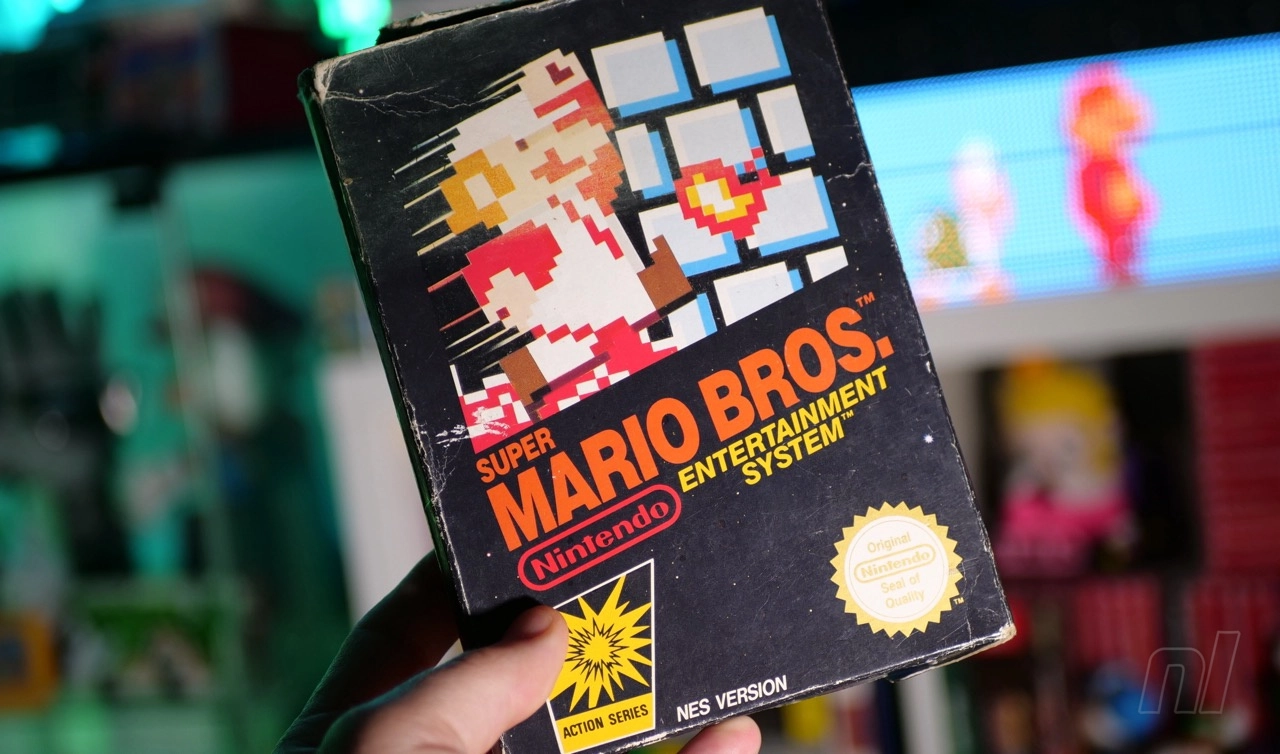
Researchers at Virtuals Protocol have unveiled an innovative artificial intelligence model named MarioVGG, capable of generating video game footage of Super Mario Bros through simple text inputs. Although groundbreaking, the AI model exhibits several limitations and glitches, which highlight the current technological challenges and future possibilities in video game development.
The development team trained MarioVGG by feeding it over 737,000 frames of Super Mario Bros gameplay, covering all 32 levels played by Nintendo's iconic plumber, Mario. The game's output included both successful and failed game attempts, providing the AI a comprehensive set of data to learn from. This extensive training allows MarioVGG to understand and execute game commands like "jump" or "run," thereby simulating corresponding actions within the generated gameplay videos.
Despite the technological advancement, the AI-generated videos are far from perfect. One primary concern is the video resolution, which is significantly reduced from the original NES's 256x240 to just 64x48 pixels in order to simplify the processing demands. Moreover, the AI struggles with the smoothness of the animation, producing only seven frames from the 35 frames it processes, which compromises the fluidity and continuity of the gameplay.
Performance is another notable issue. The AI operates on a high-end RTX 4090 graphics card, yet it takes about six seconds to generate a mere six-frame video sequence. Additionally, while it is theoretically possible to stitch these sequences together to create a continuous level, the researchers acknowledge that this approach is impractical for real-time or interactive gaming applications.
More unsettling are the visual glitches and errors in the AI-generated footage. Observers noted numerous inconsistencies, such as Mario changing colors randomly, morphing into enemies, or moving through typically impassable objects. At times, Mario even disappears from the screen altogether, contributing to a disjointed and confusing viewer experience.
However, the researchers remain hopeful about the future applications of their AI model in game development. They believe that while it might not currently be practical to replace traditional game development and engines entirely with AI-generated models, there is potential to use this technology as an alternative or supplemental game creation method, particularly with advancements and more refined data inputs.
The implications of such AI advancements are profound, sparking discussions among game developers and actors alike about the future of their professions. For instance, voice actors in the gaming industry, like Jennifer Hale from Bayonetta 3, have expressed concerns about AI replacing human roles, which could have significant socioeconomic impacts. This technological progress raises ethical and professional questions, especially in the context of the ongoing SAG-AFTRA strike and the broader game industry's trend of reducing workforce to cut costs.
Despite these concerns, the development of AI models like MarioVGG is an exciting peek into the potential future of game development, where AI could play a significant role in creating more immersive and interactive gaming experiences. As the technology progresses, it will be crucial to balance innovation with the impacts on traditional roles and practices within the industry, ensuring that advancements enhance rather than replace the human touch that has driven the creativity and relatability of video games for decades.

You must be logged in to post a comment!
