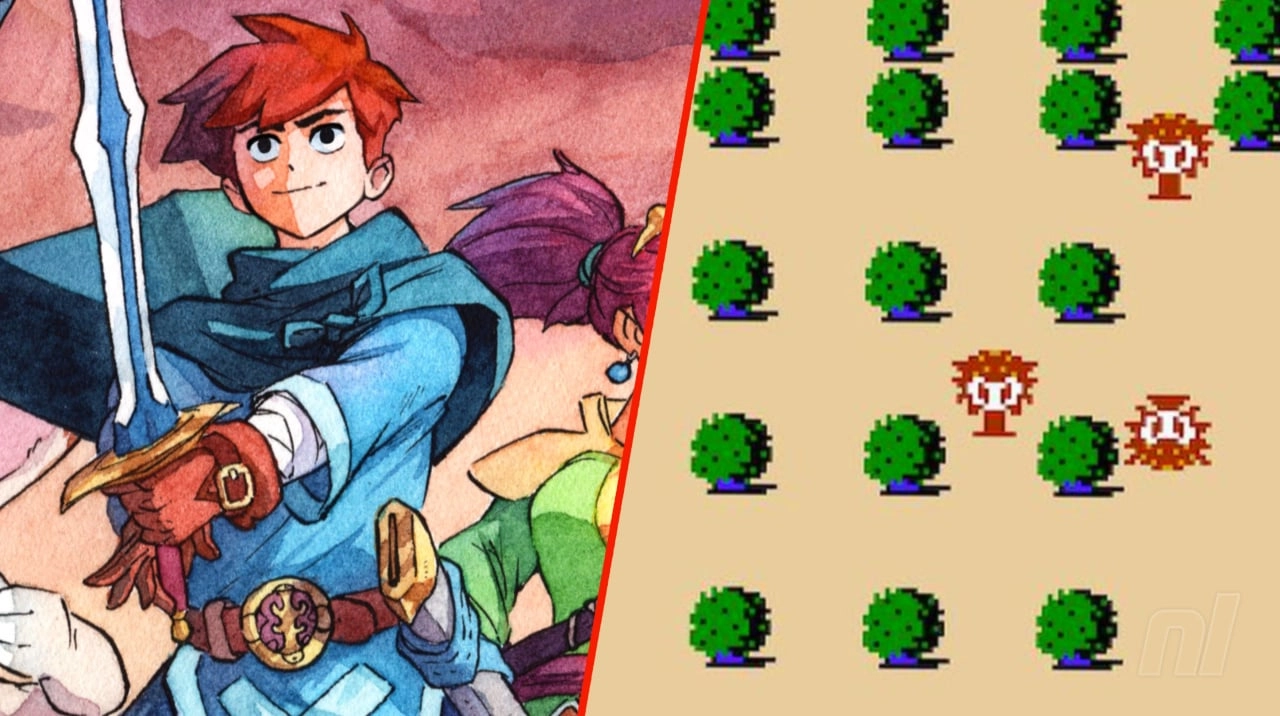
On May 29, 2024, the gaming world welcomed a remarkable new addition to its roster with the launch of Quest Master via Early Access on Steam. Developed by Skydevilpalm and published by Apogee Entertainment, Quest Master offers a creative platform for gamers to design and explore unique, thematic dungeons reminiscent of classic games like The Legend of Zelda. With its pixel art style and engaging gameplay, the game has quickly captivated a dedicated following, especially among fans of nostalgic gaming.
Quest Master, while still in its developmental phases, promises to be a versatile tool for game creation. It employs an intuitive system that allows players to mimic the mechanics and aesthetics of early Zelda games, particularly the dungeon design aspects that many remember fondly. The Early Access phase is crucial as it allows the developers to fine-tune gameplay and add features based on real-world user feedback.
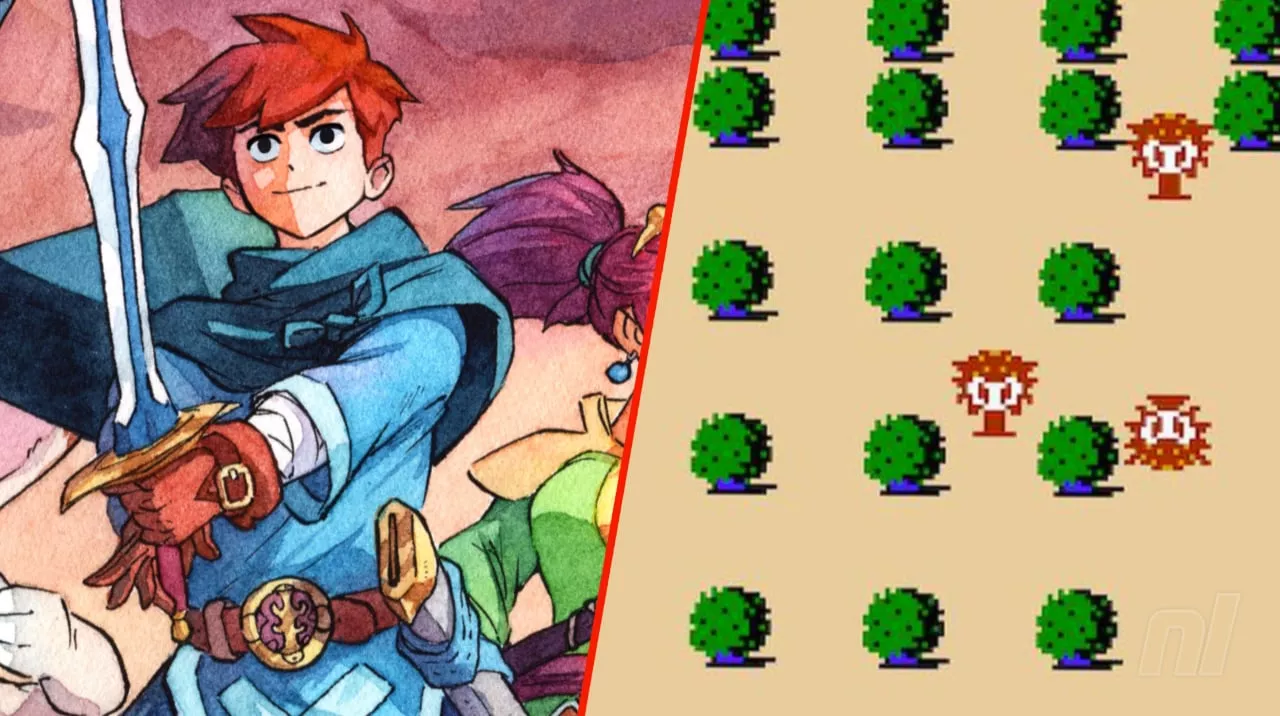
Interestingly, one of the most noteworthy accomplishments within the Quest Master community has been the replication of the iconic overworld from the original Legend of Zelda game released on the Nintendo Entertainment System (NES). This recreative endeavor goes beyond the game’s intended scope since Quest Master does not officially support the creation of overworld maps—only dungeons. However, this fan-driven project indicates potential expansions in future updates that could include overworld creation tools, enhancing the game’s versatility.
The enthusiasm for such creative projects is palpable in the community's response, shared widely on social media platforms. Quest Master's official Twitter account highlighted a screenshot of the recreated Zelda overworld, sparking excitement and nostalgia among fans. This act of recreation goes to show the investment and ingenuity of the game's community, reflecting their deep appreciation for the classic Zelda series and their desire to bring those experiences into new creative realms.
Alongside the recreation of the Zelda NES overworld, fans have also crafted detailed replicas of various other dungeons from different titles within the Zelda series, such as Minish Cap, A Link to the Past, and even 3D titles like Ocarina of Time reimagined in 2D. This showcases how Quest Master's tools can be adapted for a broad range of design possibilities, bridging the gap between different gaming formats and eras.
Despite the excitement around these fan creations, Zelda series producer Eiji Aonuma has been cautious about the concept of an official "Zelda Maker," expressing concerns about whether a build-from-scratch model would suit the essence of the Zelda series. Aonuma believes that imposing creativity might not align with the series' traditional gameplay dynamics, which often emphasize exploration and puzzle-solving delivered within a meticulously crafted world by professional developers.
As Quest Master continues its development, the anticipation for its release on other platforms, including Nintendo Switch, grows. The potential for gamers to fully recreate Zelda games or any other classic adventures on this new platform is a thrilling prospect. This could significantly impact how fan-made content and game customization are viewed in the gaming industry, potentially leading to new ways of engaging with beloved game franchises.
As Quest Master moves closer to its full official release, the gaming community awaits eagerly to see how this platform will evolve and how it will impact gaming culture. Whether through the recreation of nostalgic worlds or the innovation of entirely new ones, Quest Master represents a frontier of possibilities for the gaming community, blending nostalgia with forward-thinking game design.

You must be logged in to post a comment!
