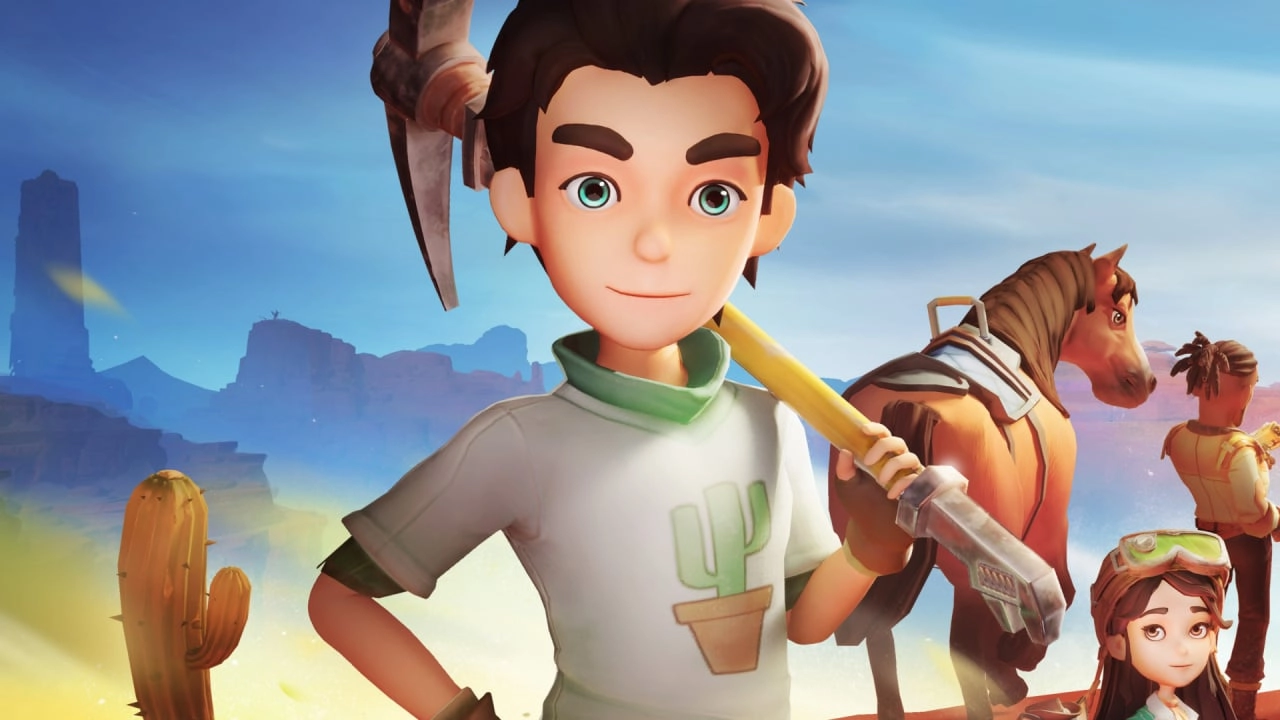
Pathea Games, the developers behind My Time at Sandrock—a life simulation game initially reviewed with mixed emotions due to its presentation and technical hiccups—have continued to refine their game since its release last November. Our team recently had the opportunity for an in-depth conversation with key members of the Sandrock development team to understand the game’s evolution and future potential.
Jingyang Xu, CTO at Pathea, acknowledges reading the reviews and comments about their game with a strong desire to clarify why certain disappointing elements existed at launch. An outdated version required by Nintendo for review purposes missed showcasing the addressed issues and added improvements. This unfortunately left initial impressions lacking awareness of the positive changes already implemented by the team.
Another point raised by Xu is the captivating nature of the game's extended content and player engagement. Despite a lower Metascore for the Switch version, the PC game boasts a higher score due to the richer content and engaging storylines—revealing much more depth than initially perceived. The ongoing development aims to deliver regular updates, aligning content across all platforms, with console updates following closely behind PC enhancements. The upcoming update plans to remedy concerns including updating side quests, marriages, and performance issues.
The Sandrock team places a heavy emphasis on player feedback. Drawing upon comments and community posts, they seek to improve game design choices that lead to a more satisfying player experience. They aspire to address the community's desire for rich content that involves intricate stories and the ability to engage with the game's romanceable characters deeply.
One of the updates players can look forward to is multiplayer support, aiming for cross-platform compatibility. Slated for a launch in June, this update is expected to bring a novel experience to life simulation games on consoles, leveraging the ability to play multiplayer sessions across multiple devices and locations.
Regarding the technical challenges faced during development, especially considering the less advanced Switch hardware, Xu highlights the complexity of adapting a game initially optimized for robust PC hardware. With the Switch possessing only a quarter of the PC version's memory capacity, the team had to create trade-offs, particularly in the game's art, to maintain the full experience while meeting the console’s limitations.
The interview transitioned to reflections on the importance of the game not only as a life simulator but rather as an immersive life experience. Players aim for meaningful interaction, work, and a sense of achievement within the game's world. The storyline in My Time at Sandrock is built to provide that deeper meaning, with complex characters and a rich narrative arc that rewards players who invest time in the game.
In the realm of future innovations for the game, the team hopes to bring as much of the rich PC experience as possible to the next-generation Nintendo hardware, commonly referred to as the 'Switch 2.' This would potentially allow for better graphical fidelity and smoother gameplay, which could further enhance player immersion and satisfaction.
Portia's development journey taught valuable lessons, such as the significance of story content and the desire for multiplayer gameplay. The ambition for future projects includes achieving more complex, open-world narratives with multiple endings, providing an even richer gameplay experience aligned with player expectations.
In summary, the dedicated team at Pathea Games continues to improve My Time at Sandrock based on community feedback, technical enhancements, and their vision for the game's life simulation experience. With new updates and features on the horizon, the team is committed to delivering a continuously evolving and enjoyable experience that resonates with their audience.


You must be logged in to post a comment!
