Warner Bros. Discovery's venture into the arena of free-to-play games with MultiVersus has resulted in a tougher financial outcome than anticipated. Developed by Player First Games—which Warner Bros. recently acquired—MultiVersus has not met the expectations set for its performance, marking a notable downturn in the company's gaming revenue projections for 2024. This underperformance has led to an additional $100 million loss, exacerbating the company's financial challenges in its gaming division.
The news came to light during a recent financial call where David Zaslav, CEO of Warner Bros. Discovery, expressed concern about the gaming sector's current trajectory. He pointed out that the games business is significantly underperforming its potential. This sentiment was echoed by CFO Gunnar Wiedenfels, who elaborated that the financial downturn was primarily due to the lackluster performance of MultiVersus in the recent quarter. Wiedenfels highlighted that the total write-down for the year had reached over $300 million due to underperforming releases, with MultiVersus being a significant contributor.
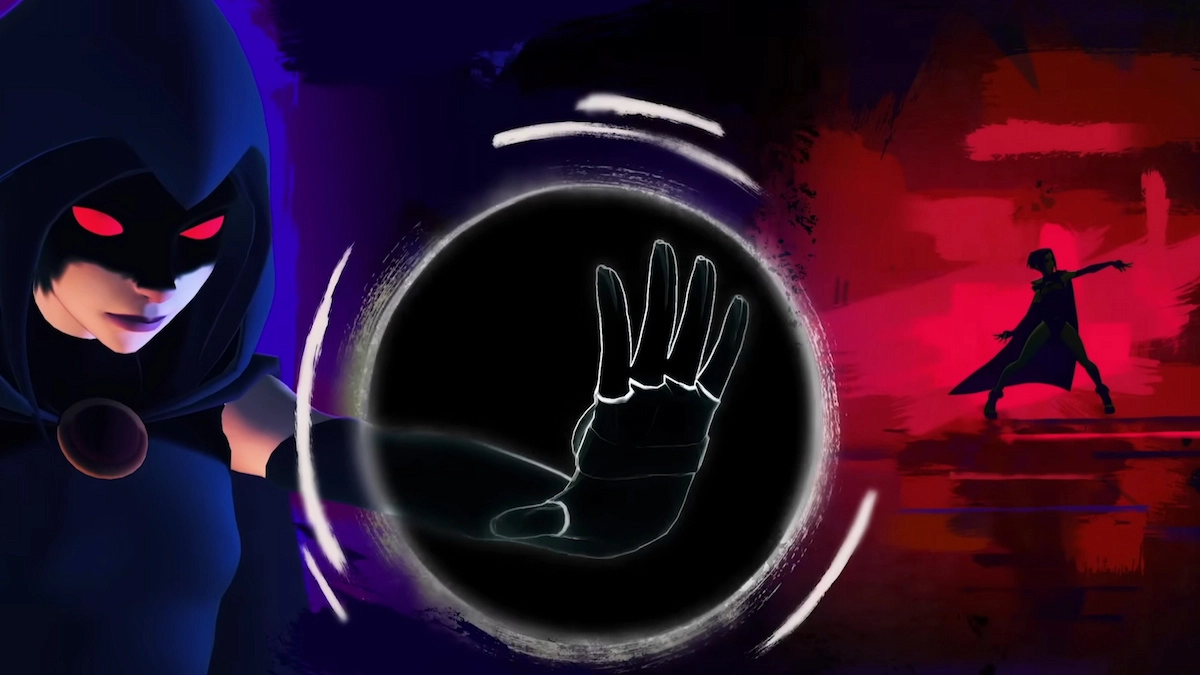
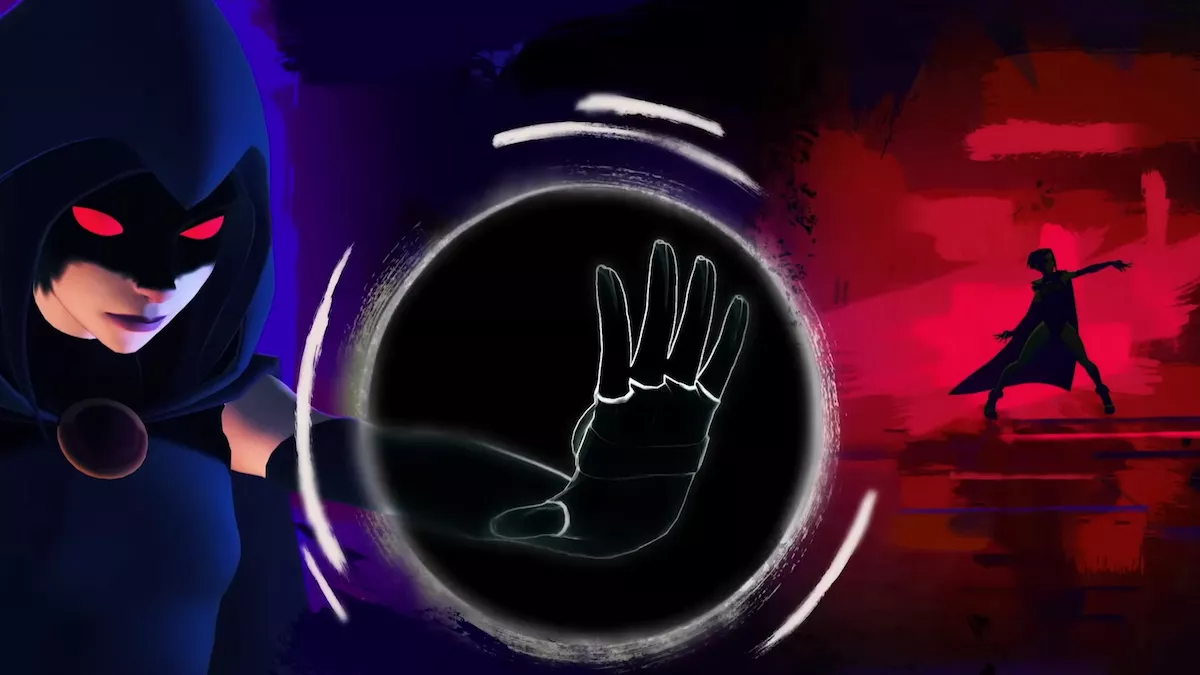
This recent financial hit adds to an already challenging year for Warner Bros. in the gaming arena. Earlier, the company faced a $200 million shortfall from other gaming ventures, which included issues surrounding the game "Suicide Squad". Despite these setbacks, Warner Bros. continues to invest in MultiVersus, evidenced by an update that introduced Raven from Teen Titans to the game's roster.
The engagement numbers tell a stark story. On platforms like Steam, MultiVersus has seen about 1,500 active players recently, with a peak of 5,000 players in September. These figures are far below what is typically required to sustain a free-to-play game, especially one that requires continuous investment in content and updates to keep the game fresh and engaging for its player base.
In an attempt to boost interest and engagement, Player First Games has continued to roll out new content for the game. This includes launching a third season of content, which unfortunately hasn't managed to generate significant buzz within the gaming community. The game's servers remain active, and the developer is committed to improving the experience in hopes of attracting a larger audience.
MultiVersus’s situation reflects broader challenges within the gaming industry, especially in the free-to-play market where competition is fierce and player expectations are high. Games in this niche require substantial initial and ongoing investments to maintain and expand their player bases. Monetization strategies also need to be carefully managed to ensure they are appealing yet not overly aggressive, balancing player satisfaction with revenue generation.
For Warner Bros. Discovery, the ongoing struggles with MultiVersus represent a learning experience and a call to refine their strategies in the gaming industry. As the market evolves, the company will need to adapt its approaches, whether that involves changing monetization tactics, enhancing game features, or even rethinking the types of games they invest in.
Looking ahead, Warner Bros. is tasked with not only addressing the immediate issues surrounding MultiVersus but also setting a sustainable path forward for its gaming division. This might involve taking calculated risks on new gaming projects or restructuring existing ones to better align with market trends and player preferences. Despite the setbacks, the future presents opportunities for reinvention and growth, and how Warner Bros. navigates these challenges will be crucial in reclaiming their footprint in the competitive landscape of video games.

You must be logged in to post a comment!
