Goichi Suda, popularly known by his pseudonym Suda51, is a notable figure in the gaming industry, credited with creating immersive and unconventional video games such as Killer7 and No More Heroes. Despite his successes, some of his earlier projects weren't as widely accessible, particularly Moonlight Syndrome, which was released exclusively in Japan in 1997. This game is part of the Twilight Syndrome series, which was developed by Human Entertainment. The game showcases Suda's unique style, combining elements of visual novels with horror themes, encapsulating players in a gripping narrative and dark, eerie atmosphere.
Moonlight Syndrome stands out as a significant piece in Suda's career. It was his last project with Human Entertainment before he left to establish his own game studio, Grasshopper Manufacture, in 1998. Despite its cultural impact and the critical role it played in Suda’s career, Moonlight Syndrome never saw an international release, remaining an obscure title for many outside Japan.
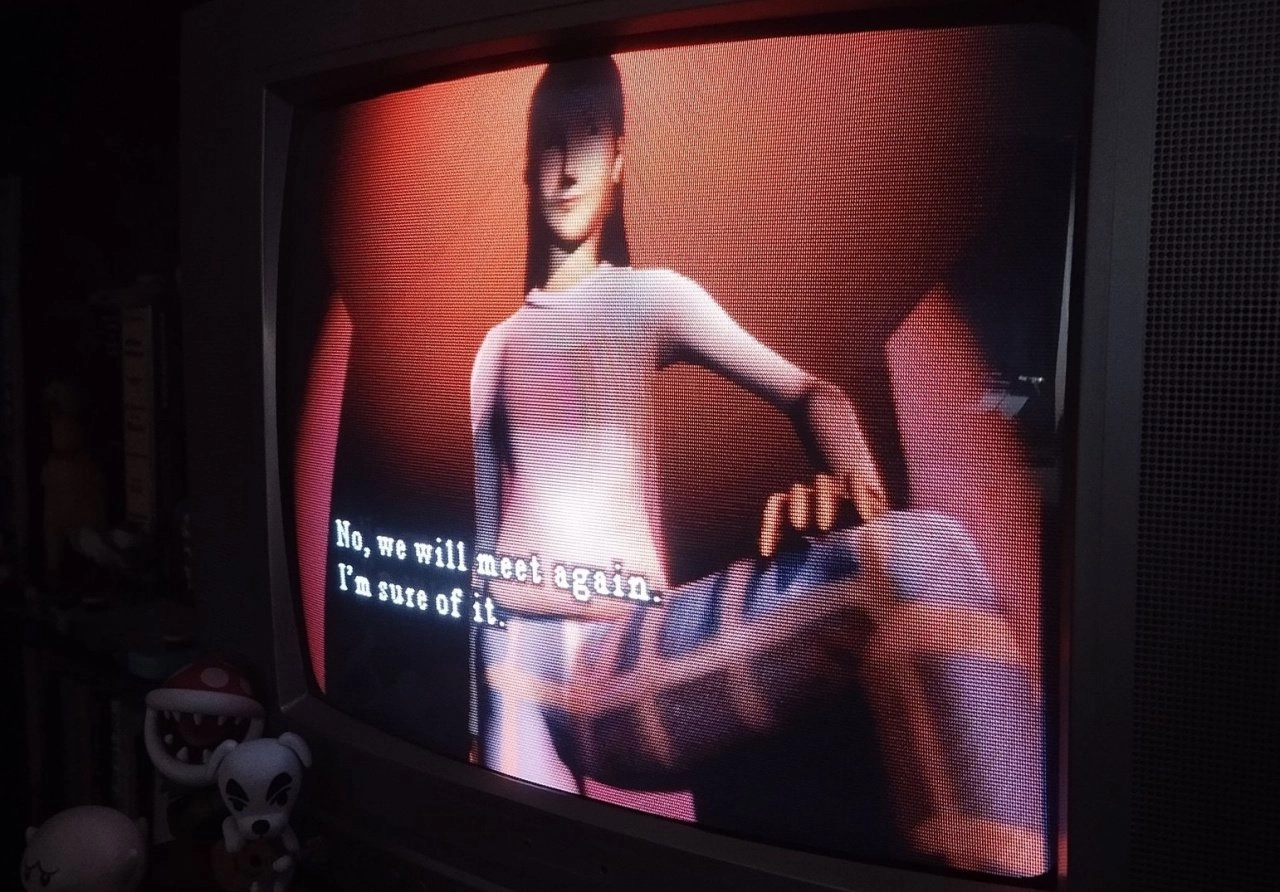
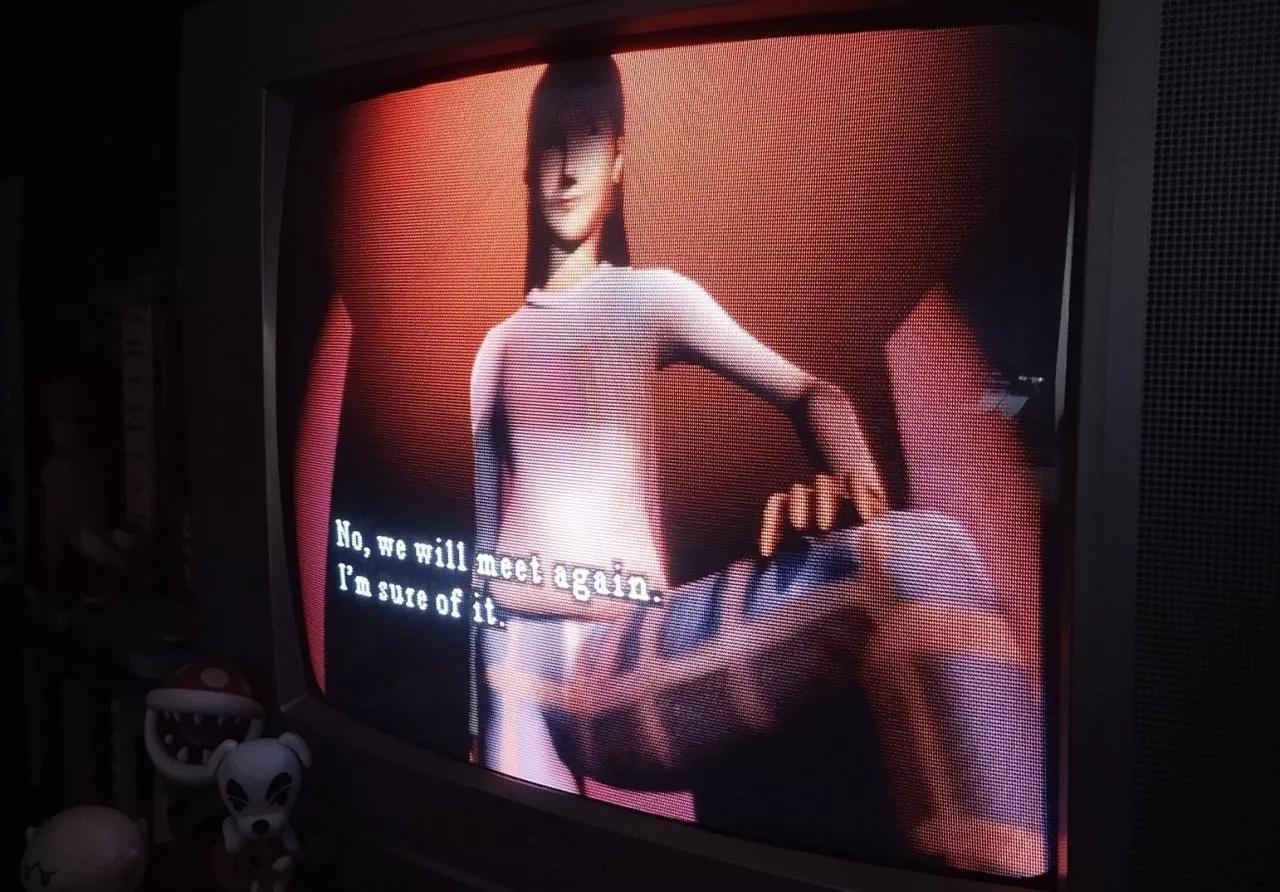
Breaking this barrier, the game is now set to reach a global audience thanks to a passionate fan and translator known on Twitter as @GriffithVIII. This individual has taken on the task of translating the game into English, a project that not only demands language translation skills but also a deep understanding of the game's original cultural contexts and nuances. Images posted by GriffithVIII on Twitter have already given fans a glimpse of the game running on actual hardware in English, sparking excitement among the gaming community, particularly those who follow Suda51's works.
The significance of this translation extends beyond just making the game accessible to non-Japanese speakers; it represents an important cultural preservation effort. Games like Moonlight Syndrome are not only entertainment but also artifacts of game design history, reflecting the technologies, storytelling techniques, and artistic ambitions of their time. By translating this game, GriffithVIII is helping preserve a piece of video game history that might otherwise be lost to the global audience due to language barriers.
Beyond the translation work, the resurgence of Moonlight Syndrome might also encourage newer audiences to explore more of Suda51's portfolio. His works are known for their distinctive style and storytelling, often melding dark themes with eccentric gameplay and narrative techniques. For gamers unfamiliar with the broader range of his work, Moonlight Syndrome could serve as a window into the evolution of Suda's game development philosophy and aesthetic.
Moreover, the project sheds light on the passionate community of translators and modders within the gaming industry. These individuals often undertake translation projects out of a passion for gaming and a desire to share lesser-known titles with a broader audience. Their work is crucial, especially for preserving and sharing non-mainstream or region-specific video games. It also highlights the gaming community's role in maintaining and expanding the accessibility of video games across different languages and cultures.
While the official release date for the completed English translation patch has not been announced, the progress is promising, and the gaming community is eagerly waiting. Once released, the patch will allow players to experience Moonlight Syndrome on their native hardware, ideally providing a seamless experience that respects the original game's intent while making it understandable and enjoyable for English-speaking players.
This project is not just a translation; it is a bridge connecting different cultures and gaming communities, allowing a forgotten gem to shine once again and adding another layer to our understanding of global video game history. As we anticipate the day when we can experience Moonlight Syndrome in English, we are reminded of the power of gaming to transcend borders and the dedication of those who labor to make these cultural exchanges possible.

You must be logged in to post a comment!
