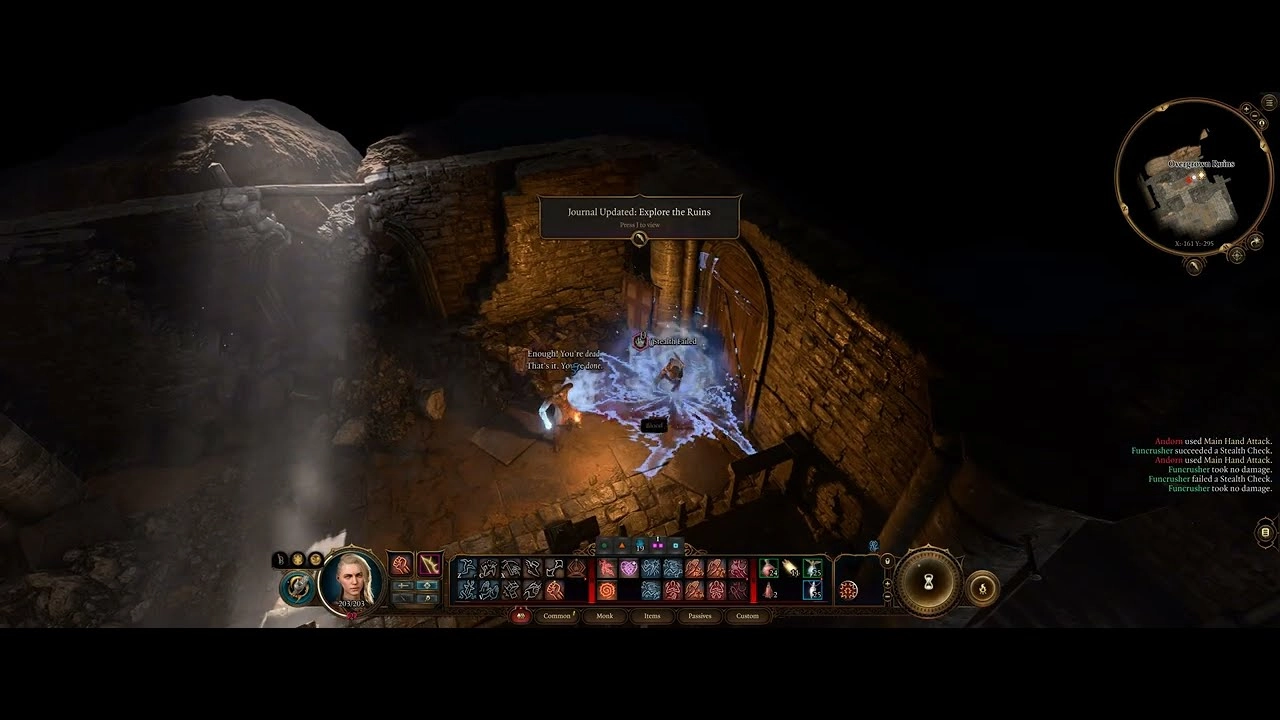
The world of gaming evolves constantly with innovations and modifications shaped largely by the very community that surrounds it. A recent development that has captivated enthusiasts of the role-playing game (RPG) genre is the attempt by a modder known as tinybike to integrate real-time combat into Baldur’s Gate 3. This move, driven by a combination of community feedback and pioneering spirit, is reshaping how players interact with a game already celebrated for its intricate mechanics and immersive narrative.
Baldur’s Gate 3, developed by Larian Studios, originally follows a turn-based combat system. This design choice aligns with the studio's previous works and supports a strategic, paced approach to battles. However, a portion of the community has expressed a preference for a more dynamic and fast-paced combat system, similar to the Real-Time with Pause (RTwP) system employed in the first two games of the Baldur's Gate series. This system allows for actions to occur in real-time, but gives players the ability to pause the game at any moment to issue new commands, combining elements of both real-time and turn-based strategies.
In response to the community's demand, a modder under the alias tinybike took on the challenge of transforming the game’s combat mechanics from its native turn-based system to a real-time format. This adaptation, showcased in a "very rough" mod, represents an ambitious rethinking of how combat flows in Baldur’s Gate 3. Although the current iteration of the mod lacks the ability to pause - a key component of the RTwP system - tinybike is optimistic about future refinements.

Apart from the technical hurdles, the modding endeavor brings up interesting conversations about player preferences and game design philosophy. While many purists and traditionalists appreciate the methodical nature of turn-based systems, which allow for careful planning and tactical execution, others favor the spontaneity and adrenaline that real-time combat systems offer. This dichotomy not only highlights the diverse player base of Baldur's Gate 3 but also underscores the importance of modding communities in bridging the gap between differing player expectations and experiences.
Moreover, the development of this mod and its surrounding discourse enables a deeper appreciation of the complexities involved in game design. Changing a fundamental aspect of a game like its combat system involves numerous adjustments to balance, pacing, and overall gameplay aesthetics, which are not always apparent to those outside the development sphere. The community’s proactive stance in experimenting with such modifications showcases a unique collaborative dialogue between the players and the developers, albeit in an unofficial capacity.
The conversation around the mod extends beyond just preferences and technical achievements. It taps into the ever-relevant dialogue about the relationship between developers and the community, the role of modifications in game longevity, and the evolving nature of game narratives and mechanics. Games like Baldur's Gate 3 serve as more than just entertainment; they are platforms for innovation and creativity.
The continuous development of this real-time combat mod by tinybike and others within the community is a testament to the passionate investment of gamers in the worlds they love. It opens up new ways of experiencing the game, catering to those who might prefer a quicker pace while respecting the original design. As this mod progresses, it will be intriguing to observe how it influences the perceptions of gameplay mechanics in RPGs and whether it could prompt official adaptations in future updates or sequels by Larian Studios.
This initiative not only enhances the game's accessibility and enjoyment but also reinforces the ongoing dialogue about player agency and creativity in gaming. The potential success of this mod could pave the way for future modifications, encouraging a broader spectrum of gameplay styles and perhaps even influencing game design at large. As the community and developers watch this experiment unfold, the boundaries of traditional game design are being tested, proving once again that the heart of gaming lies in its ability to evolve and respond to its audience.
You must be logged in to post a comment!