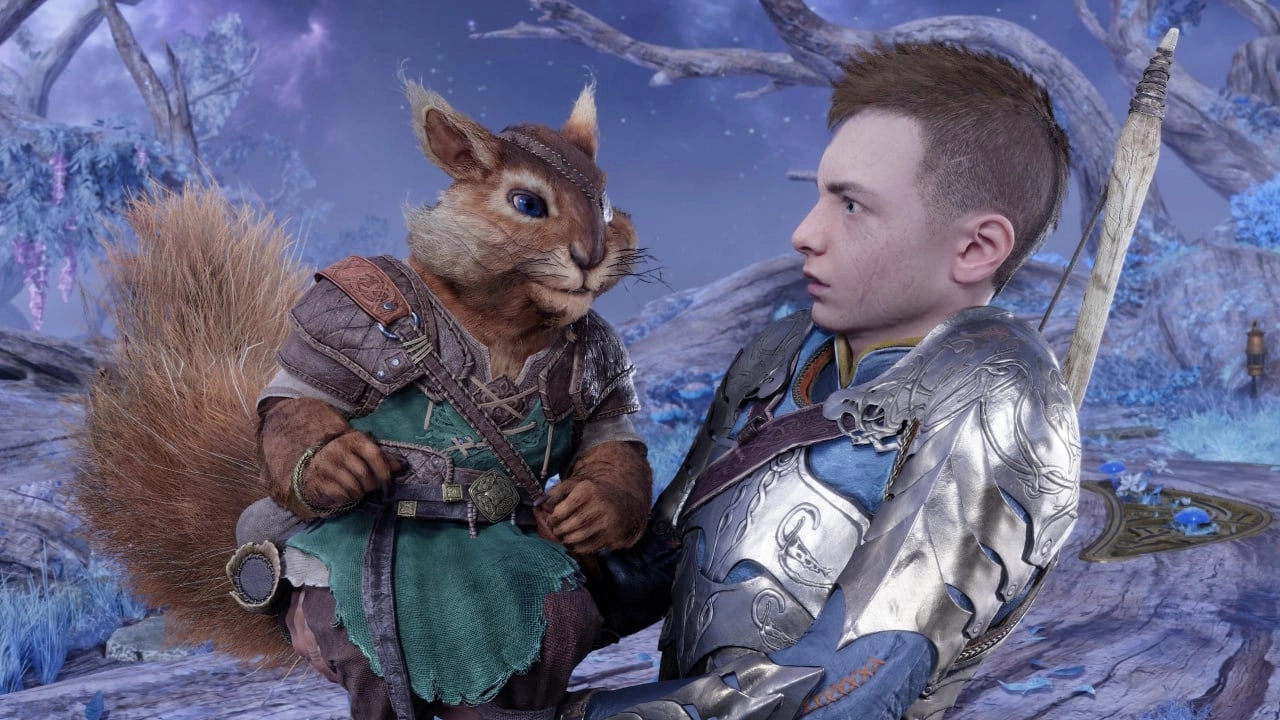
God of War Ragnarok, a popular game developed by Santa Monica Studio, initially launched with a requirement that frustrated many PC gamers: a mandatory login to PlayStation Network (PSN) through Steam. This requirement led to significant discontent among players, culminating in a spree of review bombing on Steam. These reviews brought the game’s rating down to a "mixed" level, reflecting widespread dissatisfaction with this integration.
In response to this frustration, a mod has been quickly developed and released that removes the need to log into PSN when playing God of War Ragnarok on PC. This modification has been a relief for many players who prefer a more streamlined gaming experience without the need for additional account linkages.
The mod, noticed first by PC Gamer, effectively eliminates the PSN overlay from the game. This allows players to bypass the step of linking their Steam and Sony accounts. While this seems to be a straightforward enhancement, it's not without risks. Early users of the mod have reported some issues, and there are always potential risks involved with using third-party modifications. These could include technical glitches or even breaches in security, depending on the source and execution of the mod. PC Gamer has thus advised that anyone interested in using this mod should proceed with caution and at their own risk.
Despite these warnings, the mod has seen a significant uptake, with over 1,000 downloads shortly after its release. This number represented approximately 5% of the concurrent players at the time, indicating a strong desire within the community for such a fix. The popularity of this mod highlights a significant aspect of the PC gaming community: a preference for control over their gaming environment and a keen interest in customizing the gameplay experience.
This scenario with God of War Ragnarok is not unique in the realm of PC gaming, where mods have a long history of correcting perceived shortcomings in games or adding new features that the original developers did not provide. From enhancing graphics to adding entire new levels or gameplay mechanics, the modding community is vibrant and active. This particular PSN removal mod might be the first of its kind for this game, but it likely won't be the last. Considering the trajectory of game releases and similar requirements, future single-player games released on PC might also face similar community backlash and subsequent modding solutions.
Furthermore, discussions around this mod have raised broader questions about the relationship between console-centric publishers and the PC gaming community. As more traditionally console-exclusive titles find their way to PC, the clash of gaming culture and expectations becomes more pronounced. PC gamers typically expect a certain level of autonomy and customization in their games, which can conflict with console-style DRM (Digital Rights Management) and account-based requirements.
The release of such mods also opens up discussions about legal and ethical implications. On one hand, mods like this can be seen as undermining the security or commercial requirements intended by the game’s developers and publishers. On the other hand, they provide a way for the community to shape their gaming experience to their preferences, which can lead to increased satisfaction and a broader player base.
As gaming continues to evolve, the interplay between developer intentions, player expectations, and the technical capabilities of the community will likely lead to more such modifications. While these can sometimes be contentious, they also demonstrate a passionate engagement with the gaming content, which is ultimately a positive indication for developers and publishers. Whether future games will continue to impose similar requirements, or if they will adapt to the expectations of a changing audience, remains to be seen.
Regardless, the occurrence with God of War Ragnarok serves as a significant case study in modern gaming culture, highlighting both the challenges and the dynamic responses inherent in the evolving relationship between game developers and the community.

You must be logged in to post a comment!
