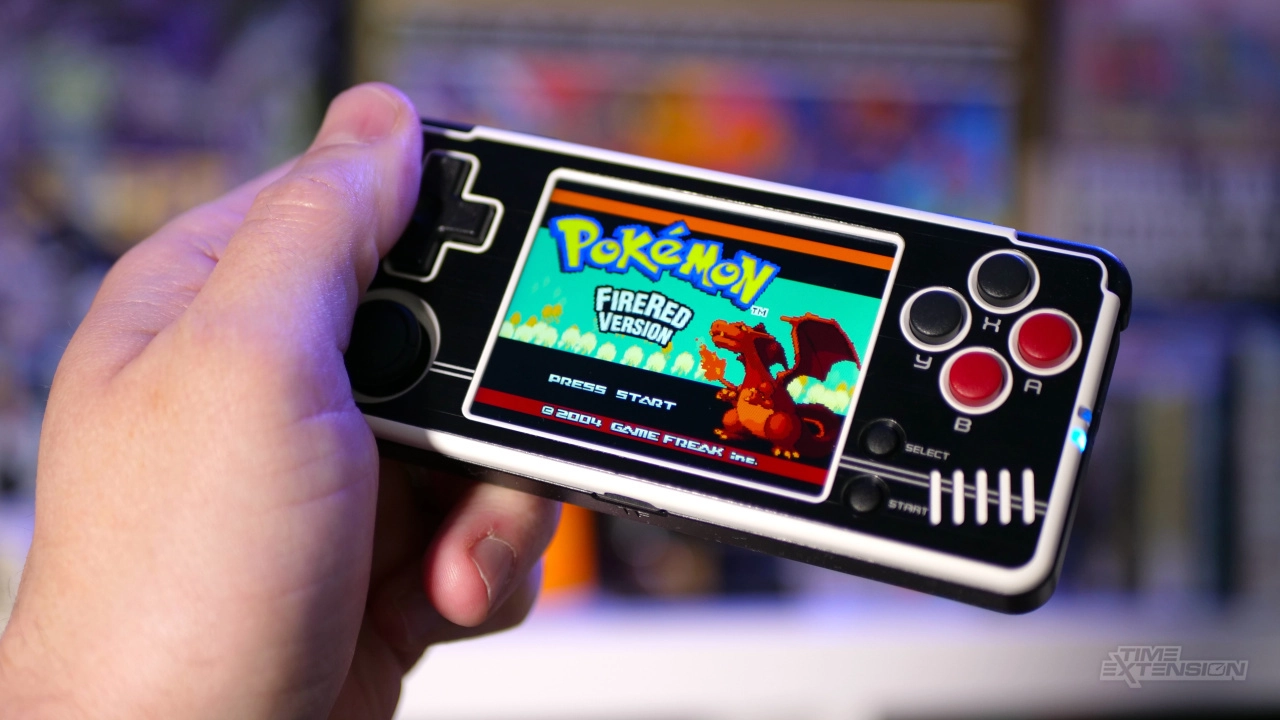
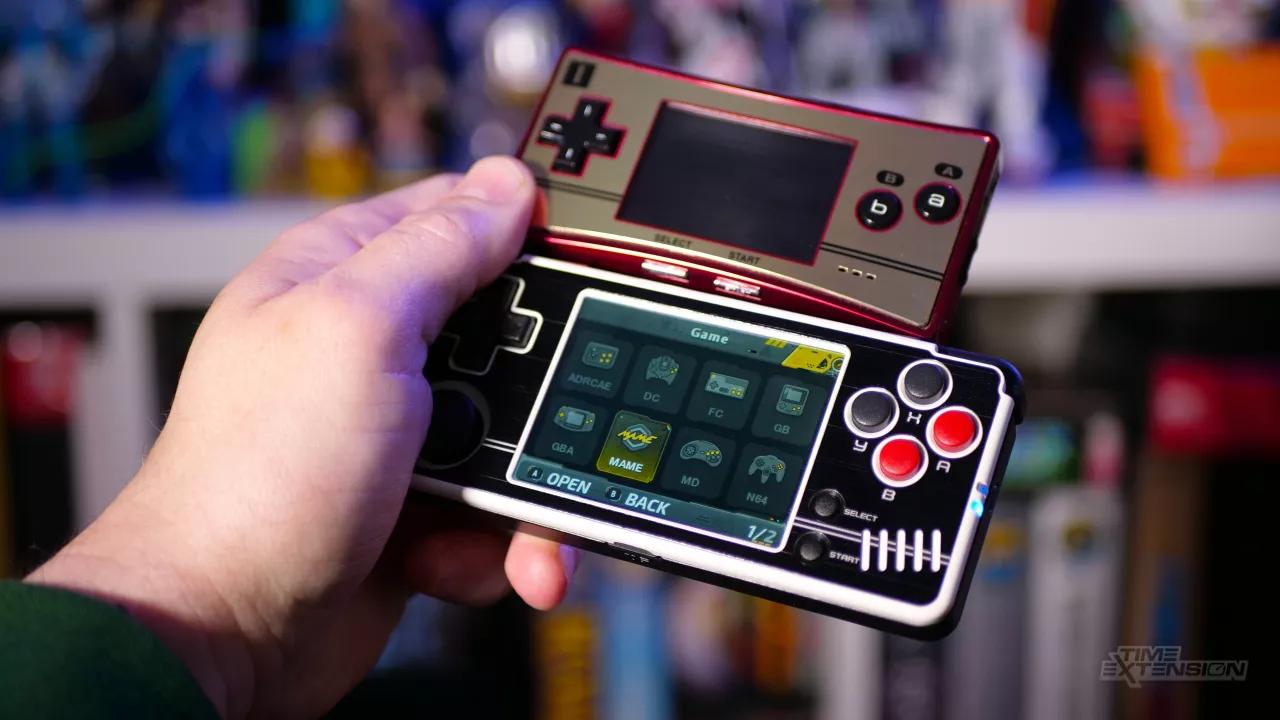
The gaming industry has seen a resurgence of interest in retro gaming, particularly through the revival of classic handheld gaming devices. This trend has encouraged companies like Miyoo to develop products such as the Miyoo Mini series. The latest addition to their lineup is the Miyoo A30, a device that directly targets fans of the classic Game Boy Micro with its compact, pocket-friendly design. However, the question remains whether this new device can stand out in a market increasingly saturated with similar options.
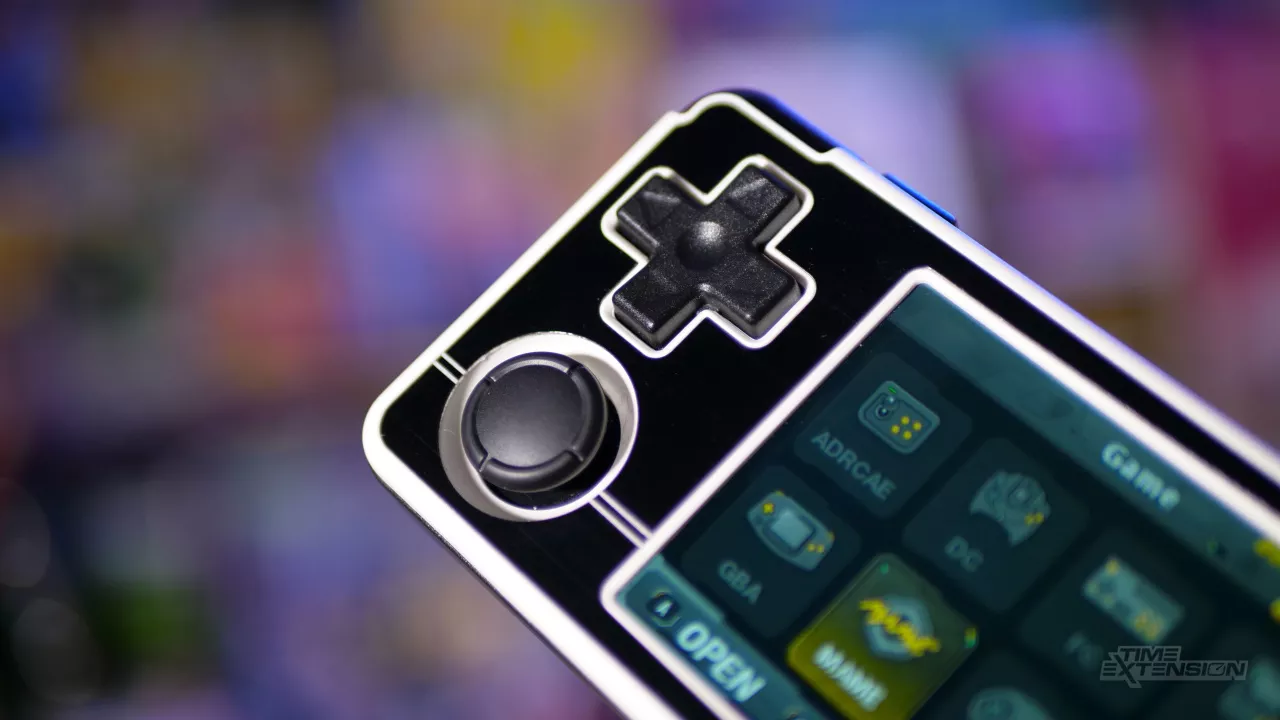
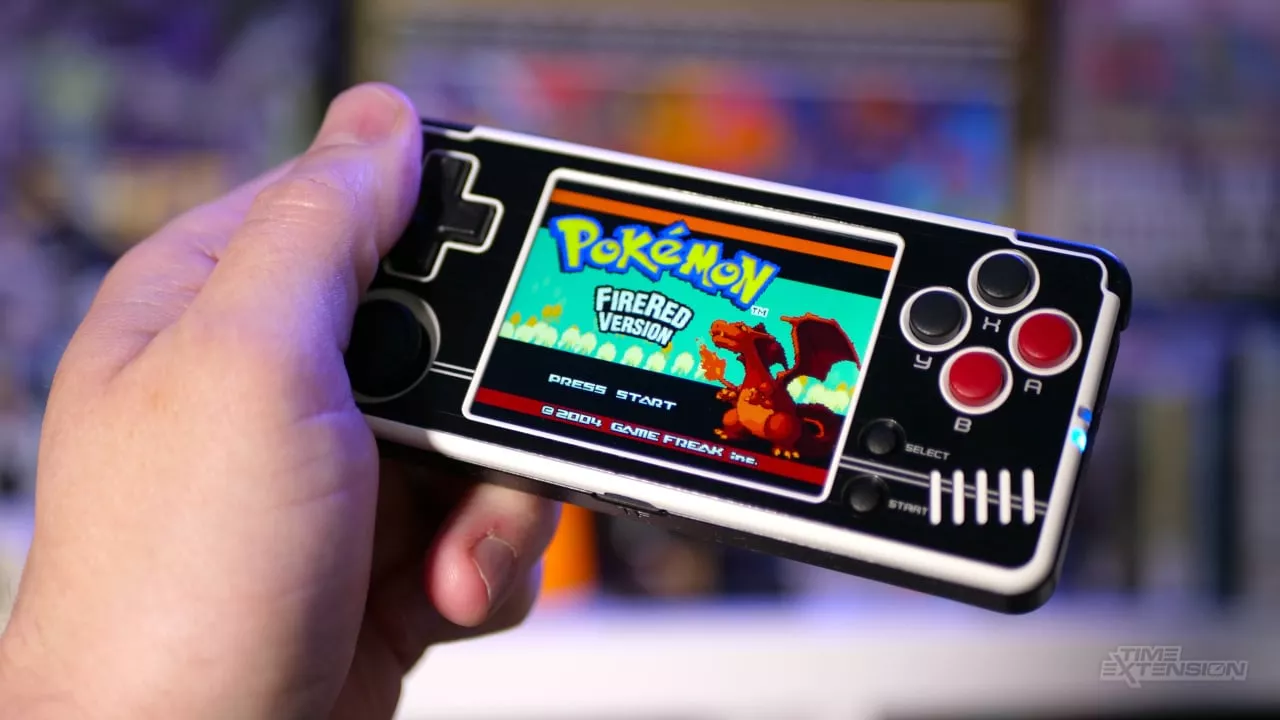
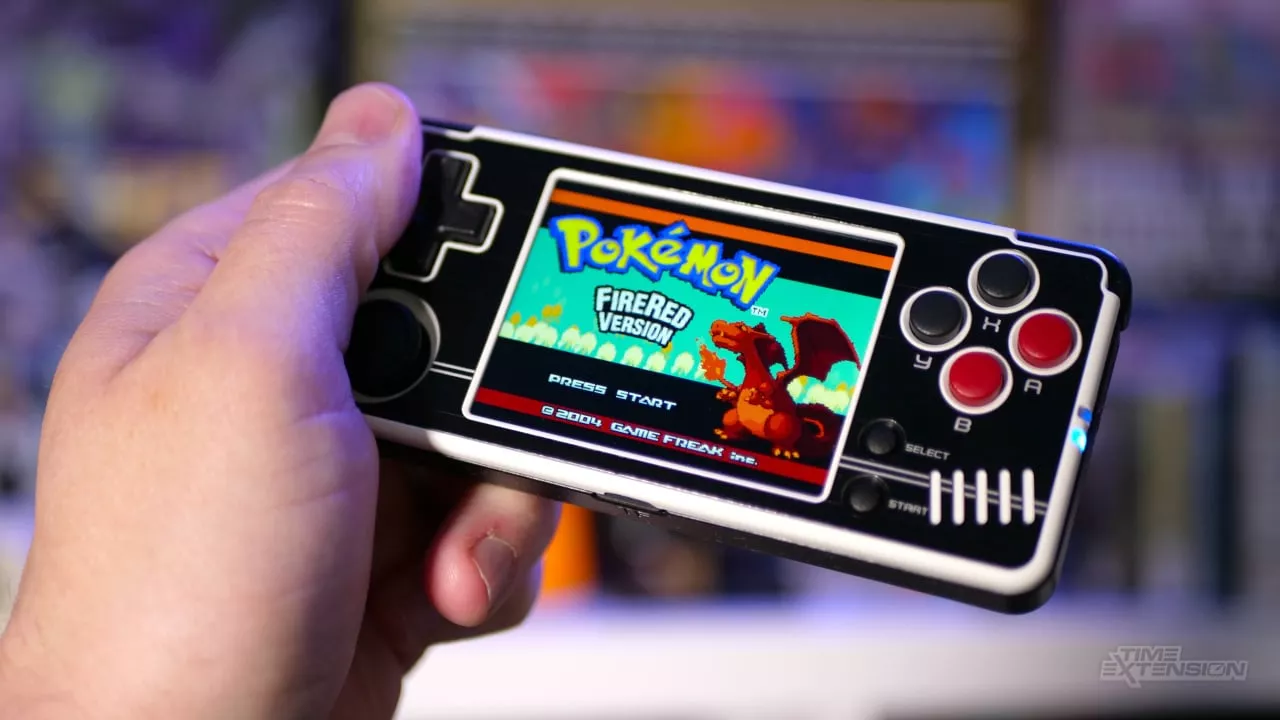
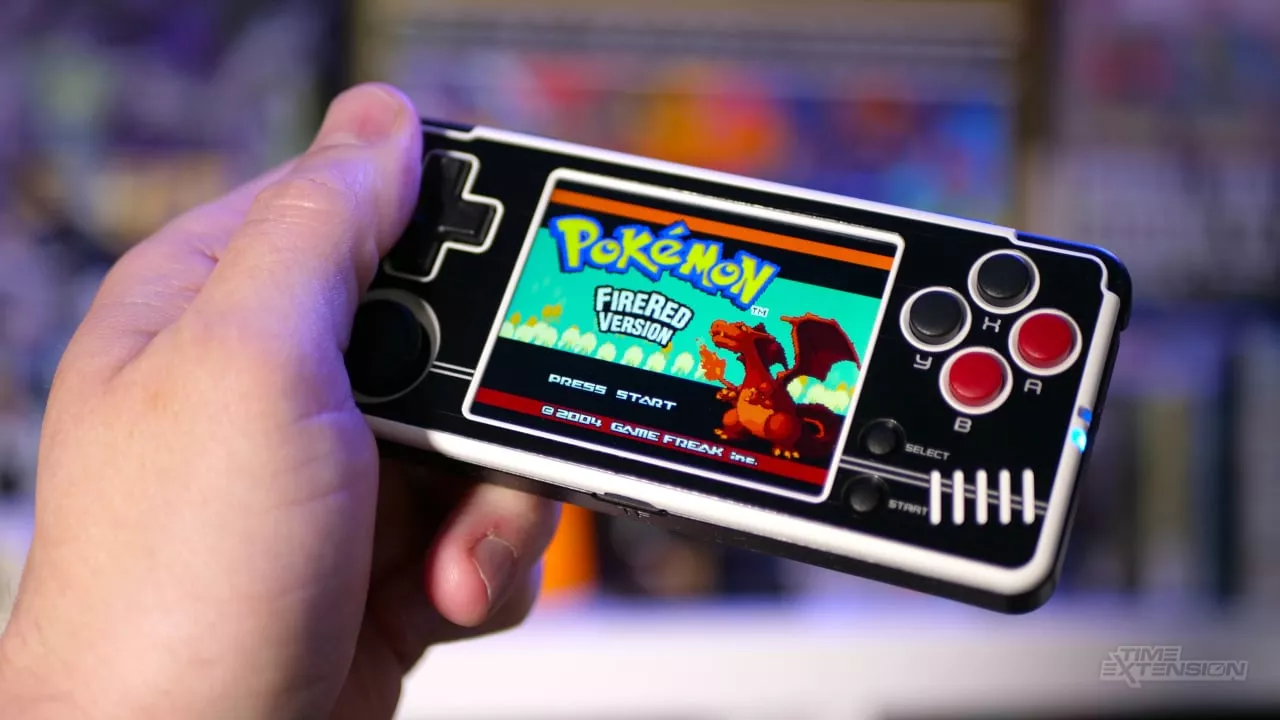
The Miyoo A30 adopts a landscape form factor, reminiscent of the Game Boy Micro but is marginally larger. This change in size is beneficial as it allows for a larger screen and a more comfortable grip. The device is equipped with a NES-style D-pad, a Switch-style analog stick, four face buttons, and four shoulder buttons. Input ports include a USB-C port for charging and data transfer and a MicroSD card slot for storage expansion, positioned at the top and bottom of the device respectively. Notably absent, however, is a 3.5mm headphone jack, which has been replaced by a USB-C audio adapter. This design choice means that users cannot charge the device and use wired headphones simultaneously, potentially limiting its usability during travel.
Physically, the Miyoo A30 sports a plastic body with a metallic front plate that gives a nod to Nintendo's Famicom controllers. While the construction is generally solid, there's an overall cheapness to the feel of the device which might not appeal to all users. The analog stick, while a useful inclusion for certain game types like those from the Dreamcast or N64 era, is unfortunately placed too low on the device, making it uncomfortable for prolonged use. The D-pad, while generally in a good position for ease of use, tends to feel mushy and may register accidental presses, which can be frustrating in games requiring precision.
The display of the Miyoo A30 is a 2.8-inch, 640x480 IPS screen. Despite being well-sized for the device, the display is let down by its low peak brightness, which results in a dull appearance even at maximum settings. This can make the device less enjoyable to use in brightly lit conditions.
Performance-wise, the Miyoo A30 is powered by the AllWinner A33 chipset, an older processor that struggles with more demanding systems like the Dreamcast, PSP, PS1, and N64, failing to deliver a consistently smooth gaming experience. However, it performs adequately with less demanding systems, such as NES, Mega Drive, Neo Geo, and SNES, as well as handheld systems like the Game Boy series. Users may find that they need to overclock the device to achieve full speed in some emulators, a workaround that points to potential misconfigurations in default screen filter settings.
In terms of specifications, the Miyoo A30 comes with multiple design color options, runs on a Linux-based operating system, supports 2.4g WIFI, and packs a 2600mAh battery. It includes accessories like a storage bag and a USB-C cable along with the USB-C to 3.5mm adapter.
Despite these features, the Miyoo A30 finds itself in a challenging position. The landscape of retro emulation handhelds is vast, and many alternative devices offer similar or better experiences. The unique selling points of the Miyoo A30 – its form factor and the nostalgic design – might not be enough to justify choosing it over others, particularly for those who already own previous models like the Miyoo Mini. At its price point, it faces stiff competition from other devices that may offer better performance or greater value for money. Thus, prospective buyers might want to consider other options unless they are particularly taken by the design or have specific needs that align with what the Miyoo A30 has to offer.

You must be logged in to post a comment!
