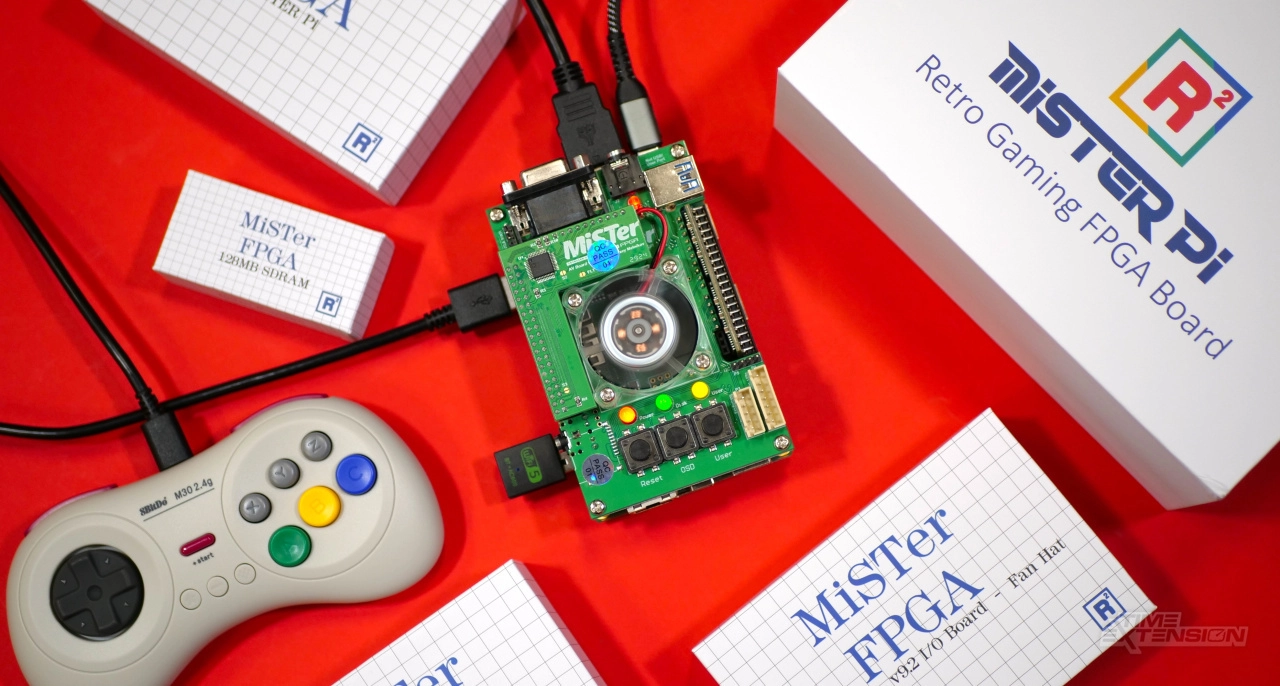
The FPGA-based retro gaming scene has seen a significant development with the introduction of the MiSTer Pi, a budget-friendly alternative that promises the same robust performance as more expensive counterparts but at a fraction of the cost. Traditionally, entering the world of FPGA (Field-Programmable Gate Array) retro gaming could be prohibitively expensive, with initial setups often costing upwards of $500. However, the introduction of MiSTer Pi changes the game by offering a starting price of just $99.
Initially spearheaded by the open-source MiSTer FPGA project, FPGA gaming has been cherished for its ability to precisely emulate classic gaming hardware, from consoles to arcade systems, using original hardware logic that offers an unmatched authenticity compared to software emulation. At the heart of this project and many others like it is the Altera Cyclone V FPGA chip, housed within the DE10 Nano board. However, the increasing cost of these boards has made the hobby less accessible over time.
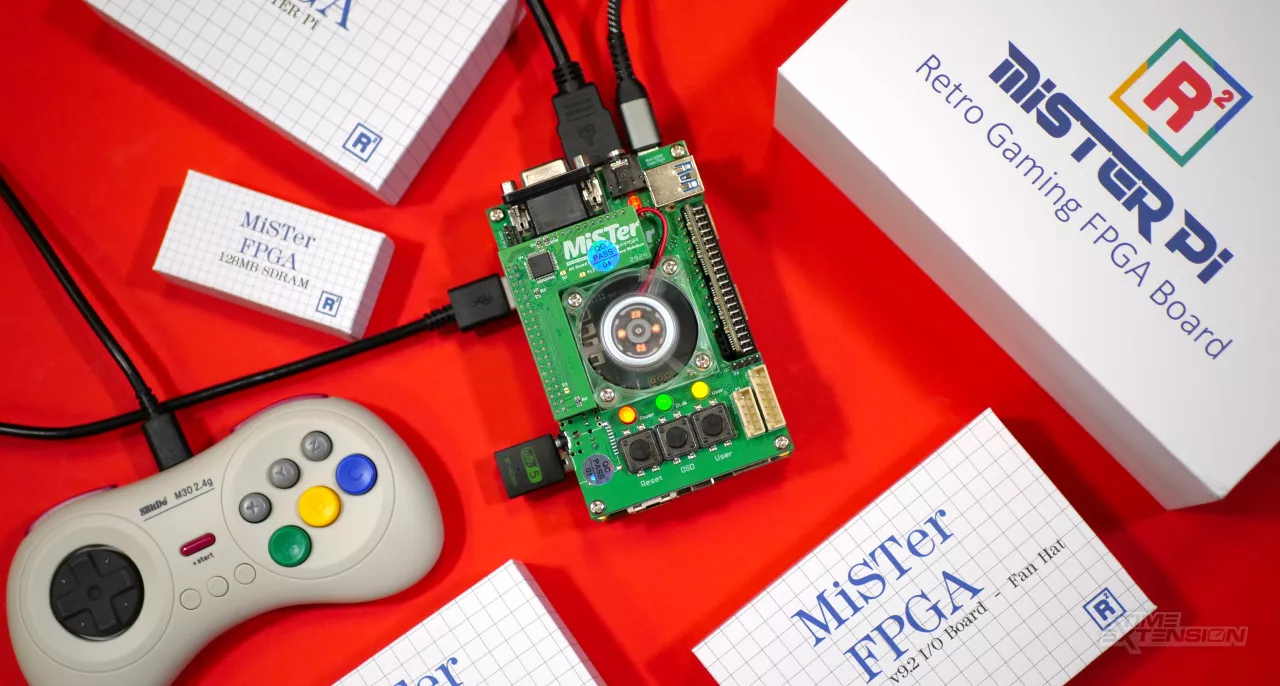
Recognizing this barrier, YouTuber Taki Udon set out to create the MiSTer Pi. This device clones the capabilities of the DE10 Nano using the same FPGA chip, thereby slashing the price significantly. The base board of the MiSTer Pi is priced at $99, while their comprehensive "Mega Pack" bundle goes for $160, including essential additions such as a 128MB SDRAM module, an A/V Pro board, a USB hub, a Wi-Fi and Bluetooth adapter, and all necessary cables and standoffs to assemble the unit.
One notable improvement in hardware design is the USB-C power supply feature of MiSTer Pi, which simplifies the power setup compared to the original MiSTer FPGA and allows gamers to use a standard phone charger. This not only declutters the gaming space but makes it easier for gamers to bring their setups to different locations without carrying bulky power supplies.
Setting up the MiSTer Pi involves some assembly, but it is far from daunting thanks to comprehensive guides provided by Taki Udon. Users will need to prepare a MicroSD card and enter their Wi-Fi settings, after which they can run a script to automatically download the latest emulator cores and other software updates, eliminating much of the manual configuration required.
In terms of performance, MiSTer Pi stands on par with the original MiSTer FPGA setups. Due to the identical FPGA chip used, it supports all the cores and software that the traditional setups do. The library of available FPGA cores has grown to include major systems like the PlayStation 1, N64, and Sega Saturn, providing a heritage-rich catalog from which gamers can choose. Moreover, the open-source nature of the project means that updates and new cores are added continually as developers expand the capabilities of the platform.
With these technical capabilities, MiSTer Pi not only brings down the cost but also opens the door for more enthusiasts to explore retro gaming with FPGA technology. While the setup process may still pose a challenge for casual gamers unfamiliar with retro gaming hardware, the community supporting MiSTer offers extensive documentation and support to ease new users into the experience.
The only immediate drawback is the high demand for MiSTer Pi, leading to quick sell-outs and potentially long waits for restocks. For those eager to dive into FPGA retro gaming, this could mean a bit of a waiting game. Nonetheless, for the price and performance offered, the MiSTer Pi presents an unmatched value in the current market, making it an ideal choice for both newcomers and seasoned retro gamers looking to expand their collections or experience games in their most authentic form.

You must be logged in to post a comment!
