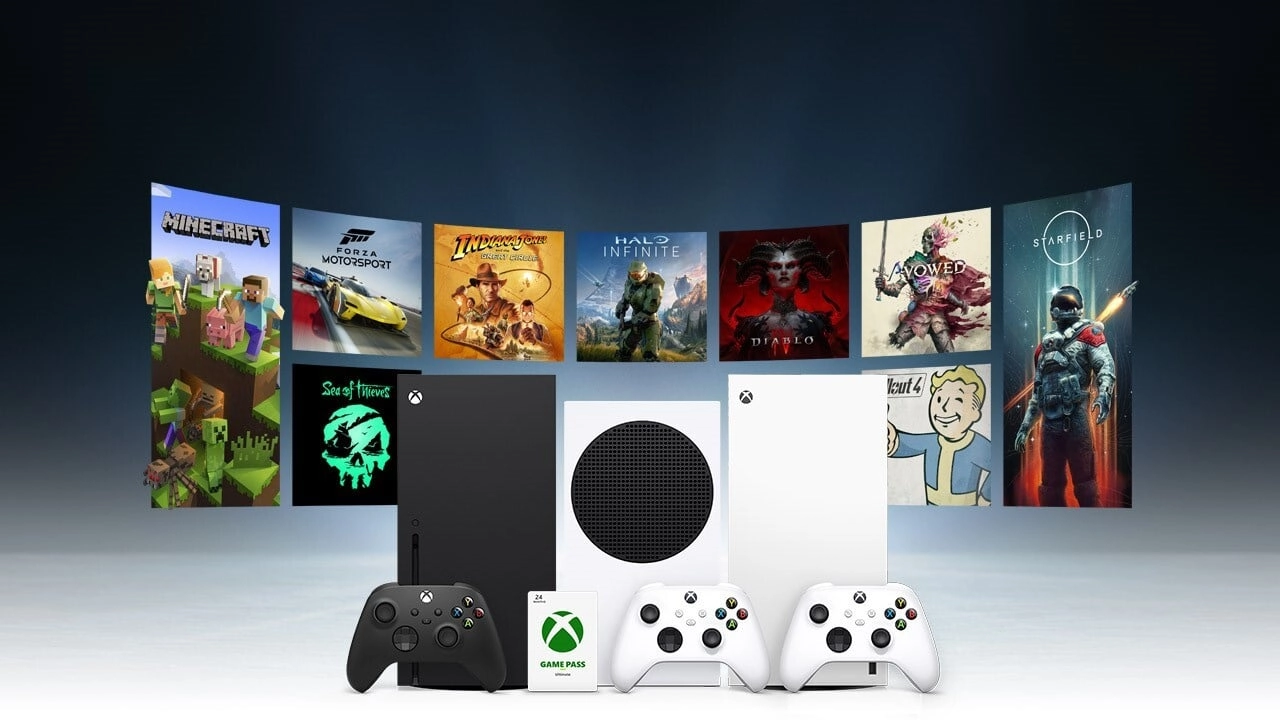
Microsoft, the tech giant known for its widespread influence across various industries, has recently made significant strides in the gaming world. The company's CEO, Satya Nadella, made headlines with a statement from his annual company update that highlighted a major success in their gaming division—owning 20 franchises that have each generated over $1 billion in lifetime revenue. This comes in the wake of Microsoft's acquisitions of two major players in the gaming industry, Bethesda and Activision Blizzard.
These acquisitions have not only expanded Microsoft's gaming library but have also fortified its position in the gaming market. With titles like Candy Crush, Diablo, Halo, Warcraft, The Elder Scrolls, and Gears of War under its belt, Microsoft now commands an impressive roster of high-earning games. Each of these franchises brings something unique to the table, from the strategic depths of Warcraft to the narrative richness of The Elder Scrolls, and the iconic gameplay of Halo.
The integration of Bethesda and Activision Blizzard into Microsoft's operations has been a game-changer for the company. When Microsoft finalized the purchase of Activision Blizzard King in October 2023, it was not just an expansion of their gaming portfolio but also a significant increase in their user base. According to Nadella, these acquisitions have added "hundreds of millions of players" to Microsoft's ecosystem. This vast increase in users not only bolsters Microsoft's data capabilities but also increases its market share and influence in the gaming industry.
What makes Microsoft's achievement even more interesting is the diversity in the type of games and the platforms they encompass. From mobile games like Candy Crush to major console titles like Gears of War, Microsoft has proven that it can succeed across different gaming platforms. This diversification strategy ensures that Microsoft's gaming division can appeal to a broad audience, encompassing casual mobile gamers as well as hardcore console gamers.
Moreover, the company's approach to acquisitions highlights a strategic foresight. Acquiring well-established franchises guarantees a steady revenue stream while opening up new opportunities for crossover projects and further developments under Microsoft's larger resource pool. It also potentially introduces these beloved game franchises to new audiences through Microsoft's expansive reach.
Yet, with such monumental success and growth comes great responsibility. Microsoft's leadership has been challenged with integrating these vast new companies and their employees into the larger Microsoft culture and operating model. The synergy between original Microsoft gaming titles and those acquired through Bethesda and Activision Blizzard will be crucial in determining how successful these franchises continue to be under new management. Plus, cultivating innovative game development while maintaining the original essence of these beloved games will be a balancing act that Microsoft needs to manage carefully.
As Microsoft continues to bask in the glow of its expanded gaming empire, industry watchers and gamers alike are keenly observing how these changes affect the overall gaming landscape. Will Microsoft continue to push for more acquisitions, or will it focus on nurturing its current titles? How will the integration of these franchises impact the quality and innovations in game development? Only time will tell.
Meanwhile, Microsoft seems set on leveraging its newly acquired assets to “bring great games to more people on more devices,” as Nadella proudly states. Looking forward, the challenge for Microsoft will be to sustain the growth and success of its gaming franchises while adapting to the ever-evolving preferences and technological advancements of the gaming community. This will not only shape the future of Microsoft's gaming division but could also set the tone for the entire industry. With a strong portfolio and a strategic approach to growth and innovation, Microsoft is well-equipped to play a leading role in shaping the future of gaming.

You must be logged in to post a comment!
