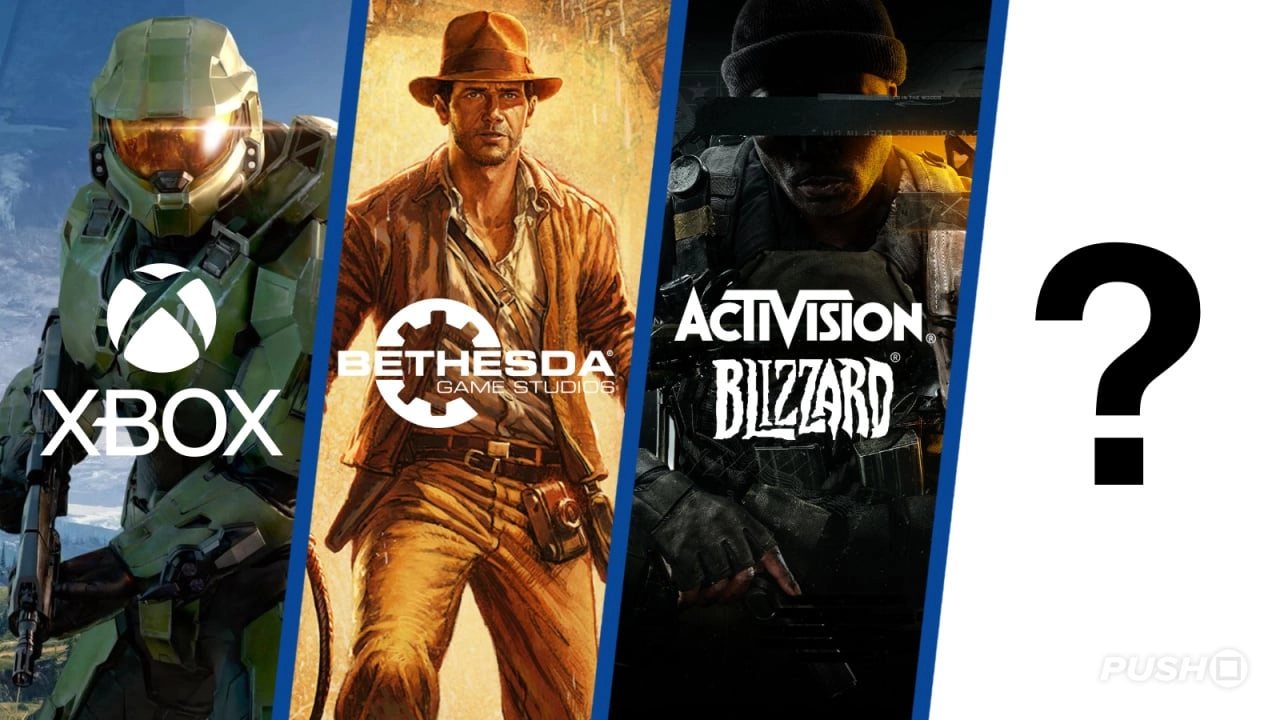
Phil Spencer, the head of Xbox, has recently reiterated Microsoft's ongoing interest in expanding its gaming division through further acquisitions. This comes after the company's noteworthy $69 billion purchase of Activision Blizzard King, a deal that significantly shaped the gaming industry landscape. Before this, Microsoft had acquired ZeniMax Media, the parent company of Bethesda Softworks, bringing renowned franchises such as The Elder Scrolls and Fallout into its portfolio.
The acquisition of Activision Blizzard was a milestone for Microsoft, expanding its reach considerably across various gaming platforms and communities. However, integrating the vast number of new employees and aligning them with the company’s culture and objectives is still an ongoing process. Despite these challenges, Spencer mentioned that Microsoft remains vigilant and interested in future opportunities that will bolster its gaming operations.
During a Bloomberg interview, Spencer discussed the strategic focus of Microsoft in the gaming sector. He emphasized the desire to acquire teams, technology, and capabilities that would enhance Microsoft’s gaming endeavors. Particularly, he pointed out the potential benefits of adding geographic diversity to the company's portfolio. The discussion also indicated Microsoft's interest in further expanding into mobile gaming, a rapidly growing segment of the gaming industry.
Spencer highlighted Microsoft's recent collaboration with Tencent in China to bring the classic strategy game Age of Empires to mobile platforms. This venture not only diversified Microsoft's gaming offerings but also provided valuable insights into mobile gaming—a segment that continues to exhibit significant growth globally. Spencer commended the creativity and unique capabilities of Chinese development teams, suggesting that more partnerships in China could be beneficial globally.
The consequences of Microsoft's acquisition strategies extend beyond internal business dynamics to the broader gaming ecosystem, particularly concerning console rivalries. Any new acquisitions under the Microsoft umbrella could potentially mean that certain games might not be available on Sony's PlayStation consoles, which could alter the competitive landscape. This has traditionally been a point of contention and competition between console manufacturers.
However, there appears to be a shift in strategy at Xbox. Earlier this year, several first-party titles were released on PlayStation platforms, indicating a more inclusive approach. Additionally, Bethesda's upcoming title, "Indiana Jones and the Great Circle," is set to be released on PlayStation 5 in the spring, further demonstrating this strategic pivot.
Spencer also talked about Microsoft's stance on multiplatform releases and seemed open to not restricting their first-party games to Xbox consoles alone. This suggests a potential softening in the previously rigid boundaries of console exclusivity, which could lead to a more integrated gaming environment across different platforms.
The implications for PlayStation users revolve around access to a broader range of titles, as Microsoft seems to be considering a more collaborative and less exclusive approach toward game development and distribution. This could lead to a more unified gaming community, where exceptional games are accessible across multiple platforms, thus enhancing the overall gaming experience for players.
Microsoft's acquisition stance reflects its broader strategy to not only expand its influence in the gaming sector but to also foster innovation and diversity in its offerings. By exploring new geographical markets and investing in diverse gaming technologies, Microsoft is positioning itself at the forefront of the gaming industry, ready to adapt and thrive in an increasingly digital and interconnected world. These strategic moves by Microsoft underscore its commitment to broadening its gaming portfolio while contributing to the global gaming community's growth and evolution.

You must be logged in to post a comment!