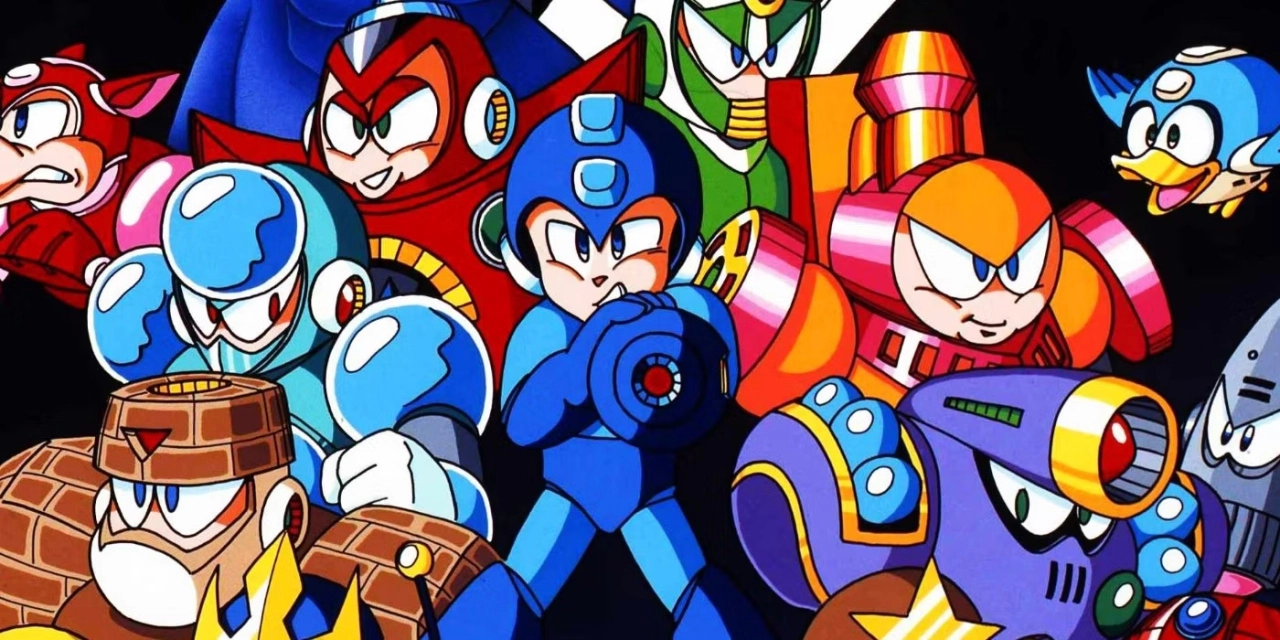
In the world of classic videogames, few characters hold as legendary a status as the blue bomber himself, Mega Man. This iconic series has captured the hearts of gamers for decades, transcending its 8-bit origins to become a cherished staple of gaming culture. Now, the fans of this beloved franchise have taken their passion a step further by developing a follow-up to "Mega Man: The Wily Wars," the 1994 Sega Mega Drive / Genesis compilation that provided updated versions of the first three original NES Mega Man games.
This new fanmade project, dubbed ‘The Sequel Wars,’ aims to transform the subsequent trio of 8-bit classics — Mega Man 4, Mega Man 5, and Mega Man 6 — into their 16-bit counterparts. Fans of the series are keen to experience these nostalgic titles with a fresh perspective, complete with improved gameplay, enhanced audio, and modern bug fixes.
These ambitious remakes are not mere graphical overlays on existing games; rather, they are lovingly crafted from scratch using the SGDK library and coded entirely in C. The fan development team, led by Woodfrog, is a collective of homebrew developers dedicated to not only preserving the essence of the original games but also elevating them with “a fresh 16-bit coat of paint.”
Last year, the team released Episode Red, the cherished remake of Mega Man 4 which has been made available for download on the indie game platform itch.io. Not resting on their laurels, the team recently teased the next installment, Episode Blue, which reimagines Mega Man 5 in stunning 16-bit glory. This teaser has undoubtedly whet the appetites of eager fans, though no specific release date has been provided other than the promise that it's "coming soon."
In the realm of fanmade content, creating games such as these is a testament to the enduring devotion and creativity within the gaming community. Each new sprite, music note, and gameplay tweak represents countless hours of dedication. The objective is clear: to both honor the nostalgia associated with these games and to provide a novel experience that resonates with modern gamers and steadfast fans alike.
While the wait for the new episode continues, the Sequel Wars team regularly updates their followers via social media. The endeavor is not just a display of fandom but a celebration of gaming history and craftsmanship. This development process offers a unique dynamic, allowing for community feedback and involvement that can influence the final output, ensuring that the remakes stay true to fan expectations while pioneering new standards for fanmade projects.
Aside from its sentimental value, the Sequel Wars project also stands as a vibrant reflection of the growth of independent game development and the democratization of game production tools. What would have been a near-impossible task years ago, now thrives thanks to accessible programming libraries, sharing platforms, and the collaborative nature of the internet.
This series of remakes is emblematic of the role that old-school games play in the hearts of those who grew up with them, as well as the inspiration they provide to a new generation of gamers and developers. Projects like 'The Sequel Wars' not only extend the life of classic titles but challenge and expand upon their original design philosophies.
As for those eager to dive back into the action, they can join a cadre of fans following the development process, awaiting the launch of Episode Blue, and perhaps getting their hands on Episode Red in the meantime. This fanmade continuation of the Mega Man legacy is more than just a tribute—it's an ongoing saga that weaves together the threads of past and present, nostalgia and innovation, all in the name of reviving the challenge and joy of retro gaming for years to come.

You must be logged in to post a comment!
