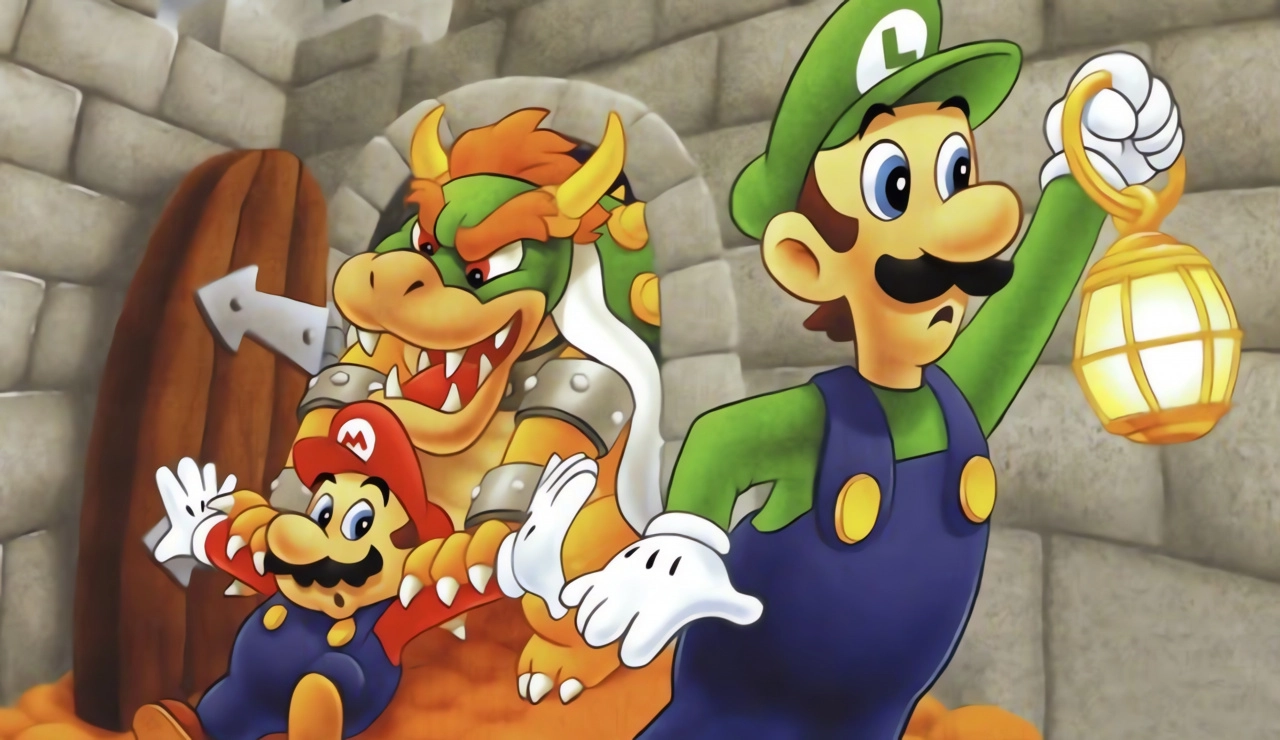
The landscape of the Mario series is like a vast wonderland sprawling with unforgettable adventures and iconic gameplay. Yet, not all of the intrepid plumber's journeys have been received with thrill and acclaim, as is the case with the peculiar edutainment title "Mario is Missing!" from 1993. This game stands apart as one of the series' most eccentric deviations, even drawing ire from some loyal fans to this day.
Contrary to what the game's title suggests, Mario is not the focal point of the adventure. Instead, players take control of his usually secondary sibling, Luigi, making it his first major starring role. The quest sends him around the planet to retrieve stolen artifacts and rescue Mario from Bowser's clutches. Developed by The Software Toolworks, a company recognized for its educational software, "Mario is Missing!" came into existence thanks to their prior business dealings with Nintendo, which also included the Miracle Piano Teaching System for the NES.
The origin of "Mario is Missing!" is intertwined with the company's ambition to rival Broderbund's "Carmen San Diego" series and leverage its relationship with Nintendo to bring a heavyweight character like Mario into the educational realm. The Software Toolworks aimed for their educational products to benefit from the charm and popularity of the Mario franchise, a strategy they hoped would provide an edge against their competitors.
The development team, composed of self-proclaimed Mario enthusiasts, approached the project with a mix of reverence and realism. Aware that their creation wouldn't rival the synchronicity between game design and hardware seen in Nintendo's internal productions, they sought inspiration in preexisting Mario titles but were clear about not emulating the same action-based elements, pursuant to Nintendo's guidance.
Released primarily on MS-DOS and later seen on the SNES and NES, "Mario is Missing!" tried to balance education and gaming. The SNES version, in particular, borrowed sprites and music from "Super Mario World," which perhaps set expectations for something akin to that beloved platformer. The variance between the platforms meant that players all experienced something slightly different, but the shared crux of criticism was about the game being marketed too closely to a traditional Mario platformer – an expectation it did not meet.
At the time of release, however, "Mario is Missing!" was a financial windfall for Software Toolworks, contributing to a profitable quarter in 1993 and spawning a series of educational Mario games. It even achieved some positive critiques, but the overarching sentiment was not as kind, with the game generally being panned for its dull gameplay and disconnection from what made Mario games magical.
Despite its notoriety, those involved in the game's creation reflect on the project fondly. Lead designer Donald W. Laabs and programmer Jeff Chasen cherish the honor of working on the title, acknowledging the risks they took to innovate in children's education through gaming. The criticism, while understood, doesn't detract from their pride in having taken on such a spirited venture.
The game's narrative and mechanics had Luigi tackle questions more academic than adventurous, offering players a mix of geography and history rather than the familiar run-and-jump thrills. It was a gamble, one that some argue didn't quite pay off. Yet, the game exists as a reminder that even the most beloved franchises can venture into uncharted territory, with varying degrees of success.
Ultimately, "Mario is Missing!" continues to be a topic of conversation, a testament to its unique place within the gaming canon. Whether viewed as a flawed attempt to blend learning with a gaming icon or a nostalgic footnote in the world of education-centered software, Luigi's peculiar trip around the world remains etched in the memories of those who experienced his oddest yet undeniably interesting adventure.

You must be logged in to post a comment!
