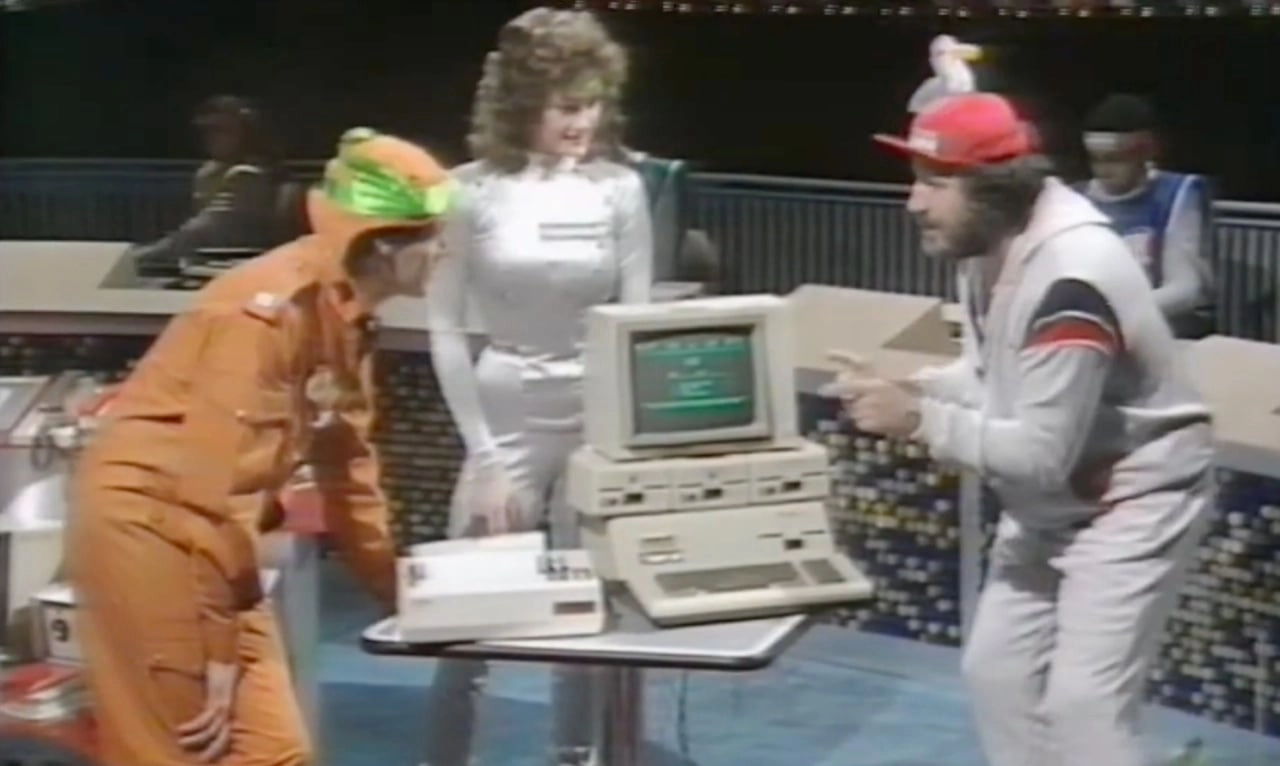
Back in 1983, a groundbreaking British TV series named Magic Micro Mission made its debut, sparking imaginations and laying down predictions about the future interaction between humans and technology. This series, which might not be well-remembered by many, foretold a world that heavily resembles today’s digital, remote-working, and AI-integrated society.
Produced by Central Independent Television, Magic Micro Mission was presented as an "edutainment" series—a blend of education and entertainment. Filmed over the summer of 1983 at the ATV Centre studios in Birmingham, the show had a total of six episodes, each 25 minutes long. It featured Adrian Hedley, Jo Wheeler, and Dr. John Barker as presenters, bringing technological concepts to a general audience with enthusiasm and clarity.
Central to the show was a character named Prune, an intelligent computer voice played by Hilary Minster. This AI character engaged with other hosts and demonstrated advancements in computing and its potential uses in daily life. Even from its inception, Magic Micro Mission dealt with concepts of AI and its integration into everyday activities, which was a forward-thinking approach for its time.
The show's content was remarkably prescient. One particularly memorable character, the "Egg Head," played by John Barker, delivered predictions that laid out a future where daily tasks such as banking, shopping, and even voting could be done from home, using personal computer terminals. This foresight into remote interactions foretold the current era where e-commerce, online banking, and digital electoral participation have become commonplace.
Moreover, the Egg Head character discussed how, with machines managing physical labor in factories, people would be able to work from anywhere they chose, emphasizing the possibility of telecommuting—a reality that has been widely realized especially highlighted during the COVID-19 pandemic where work-from-home setups became essential. Additionally, the potential removal of language barriers through AI translation and the concept of increasingly portable and communicative devices, like smartwatches and pocket computers, were also touched upon. Today, these technologies are integral to our digital landscape.
Guest appearances on the show, such as DJ Dave Lee Travis who proudly discussed the ongoing computer revolution, underscored the era’s burgeoning fascination with personal technology and its potential. The show even intertwined popular culture into its episodes by featuring technological icons like Disney's Tron and the then-popular Jetpac video game, tying the burgeoning world of video games with the broader theme of technological advancement.
Magic Micro Mission was more than just a series about computers—it was a vision of the future that has largely come to pass. It addressed both the conveniences and potential societal changes brought about by technology. Its discussion of living away from urban centers thanks to telework, and the balance between technological connectivity and personal freedom, remains relevant as these are current topics of discussion in our society.
Despite its age, Magic Micro Mission serves as a crucial piece of the historical dialogue about technology's role in our society. It not only entertained but also educated audiences about the forthcoming digital age, at a time when personal computers were just starting to make their way into homes. For many viewers, it provided the first glimpse into a life integrated with technology—a vision that continues to evolve today.
The legacy of Magic Micro Mission, although perhaps overshadowed by more popular shows that followed, is a testament to the foresight of its creators. It anticipated many aspects of the digital, interconnected world we live in today, making it a pioneer of tech-centered television programming. As we continue to navigate the complexities of technological advancements, revisiting this show offers valuable insights into how far we have come and provides context for the ongoing discussions about the future of technology and AI in our lives.

You must be logged in to post a comment!
