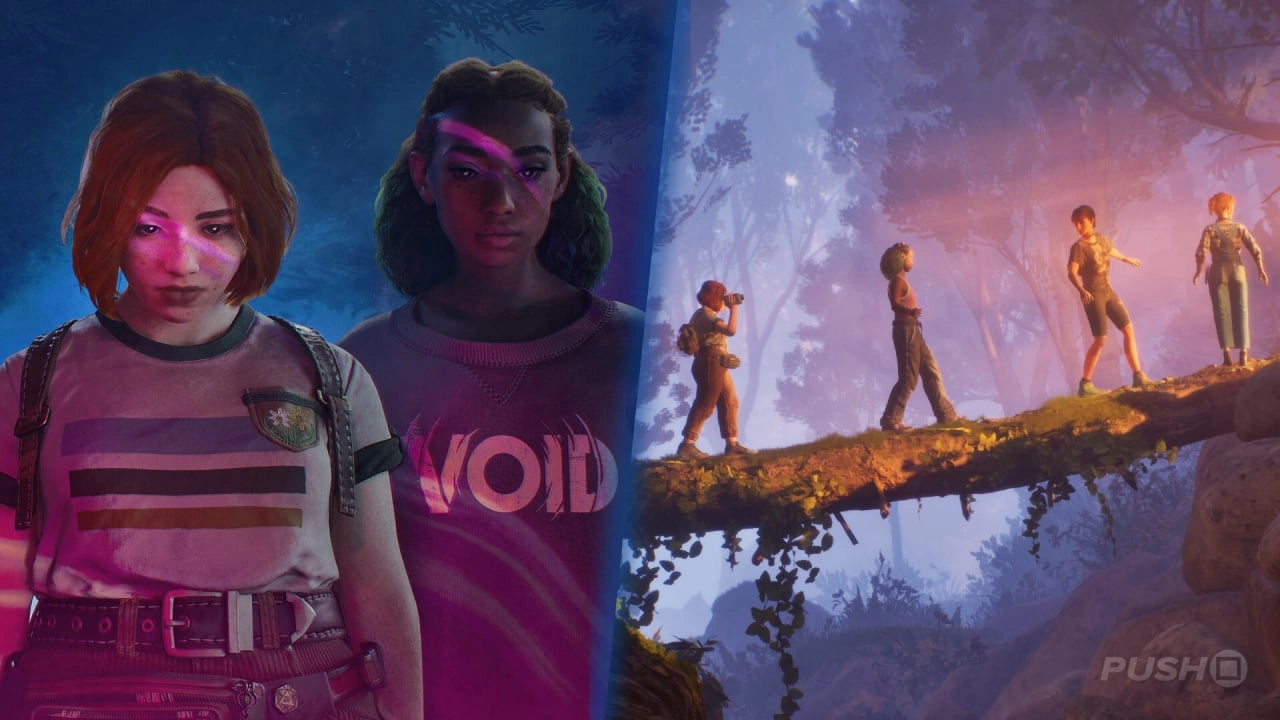
Memories often serve as a foundation but are susceptible to distortion over time, influenced by our emotions or the decay of details. The video game Lost Records: Bloom & Rage, developed by DON'T NOD, delves into this complex nature of memory, encapsulating a fabricated version of the nineties ringed with a modern flair. Following their success with the Life is Strange series, the developers have once again chosen to portray teenage life as a vehicle for broader societal commentary. The game's setting in 1995 allows players to navigate through the dynamics of friendships amid cultural milestones of the time.
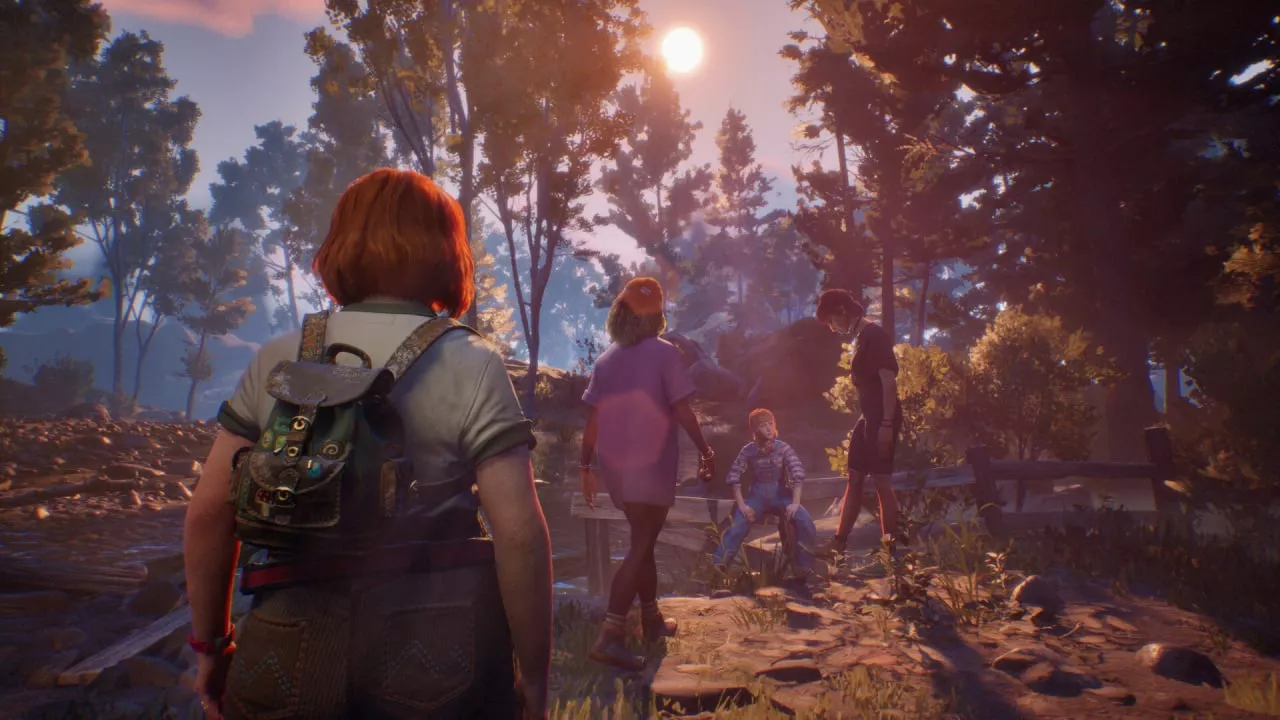
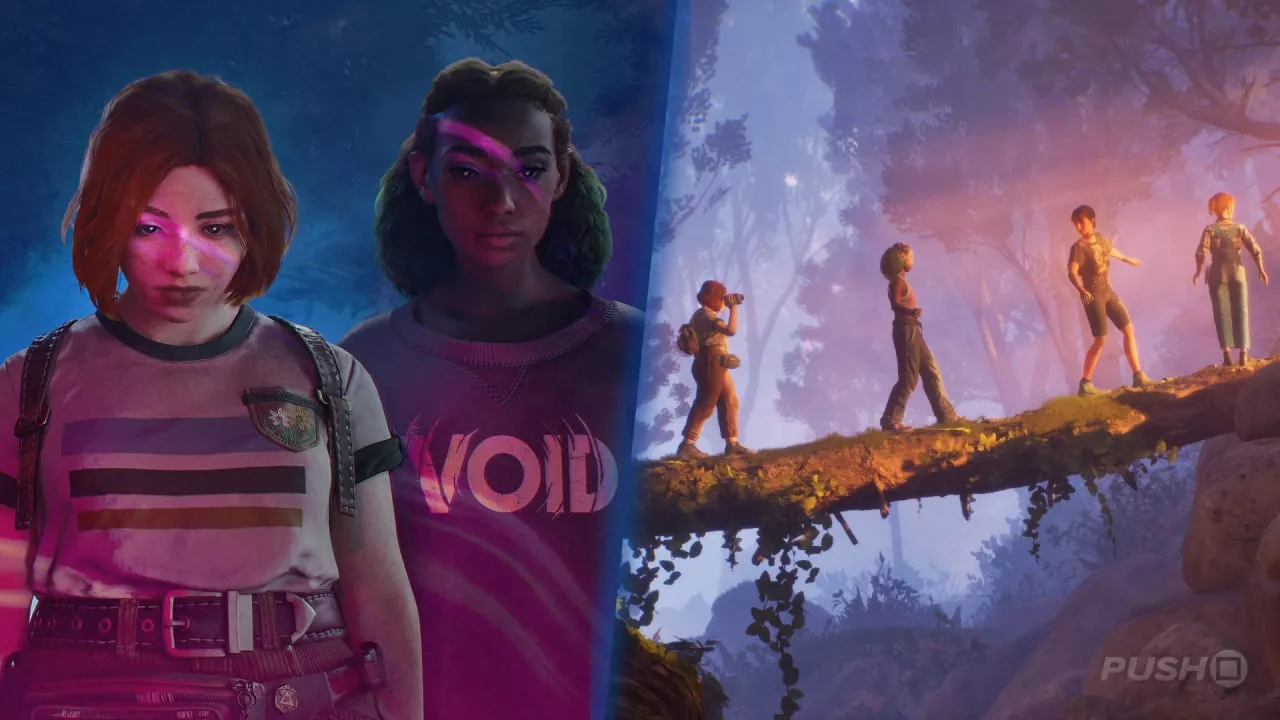
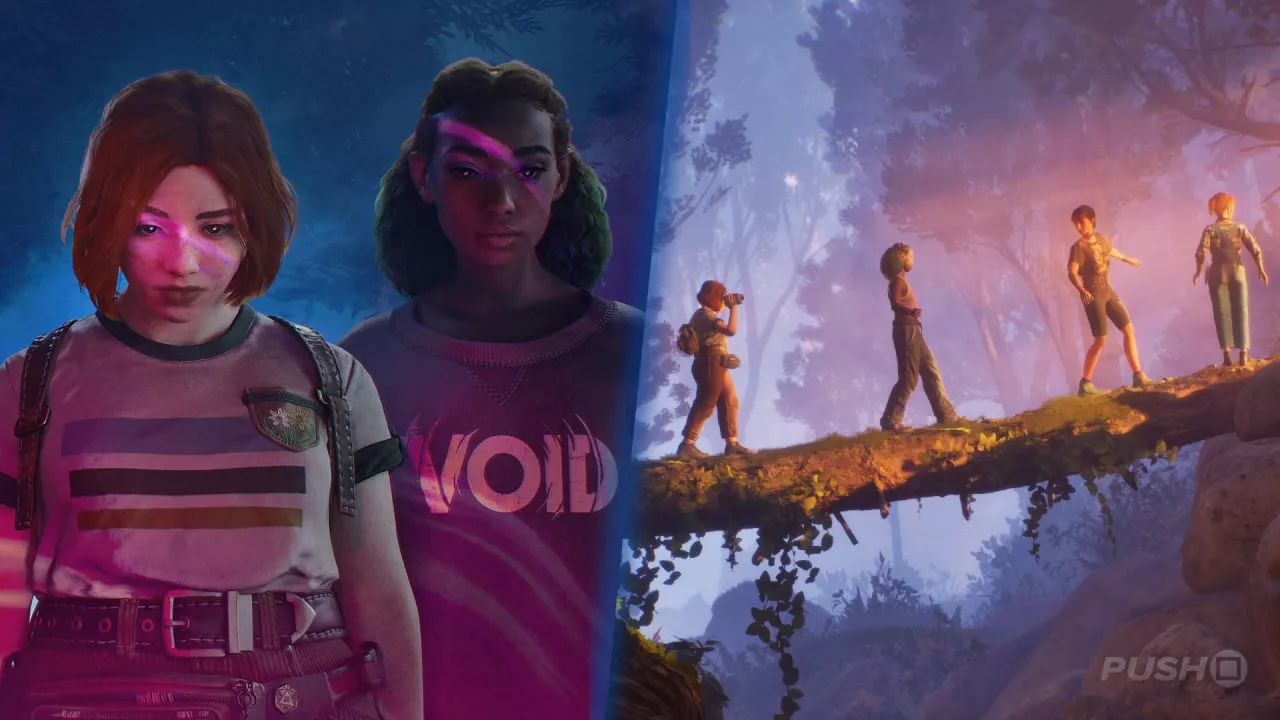
The story of Lost Records revolves around Swann and her friends Nora, Autumn, and Kat, who, after decades of separation, reconvene in a bar worrying over a mysterious package that might disrupt their settled adult lives. The plot explores the promise they made to separate nearly thirty years ago, setting the stage for a narrative-rich experience. Mostly, the game excels in capturing the essence of an era—a feat attributed to its faithful yet creatively adapted representation of the nineties culture.
The developers have ingeniously circumvented legal and IP constraints, infusing the game with a genuine '90s feel without directly referencing actual products or media from that era. For instance, while characters might discuss well-known films like The Rocky Horror Picture Show, the visual elements within the game display fictional equivalents like “Reservoir Cats" or “Primal Preserve.” This not only creates an enigmatic blend of reality and fiction but also pays homage to the cultural icons in a legally compliant manner.
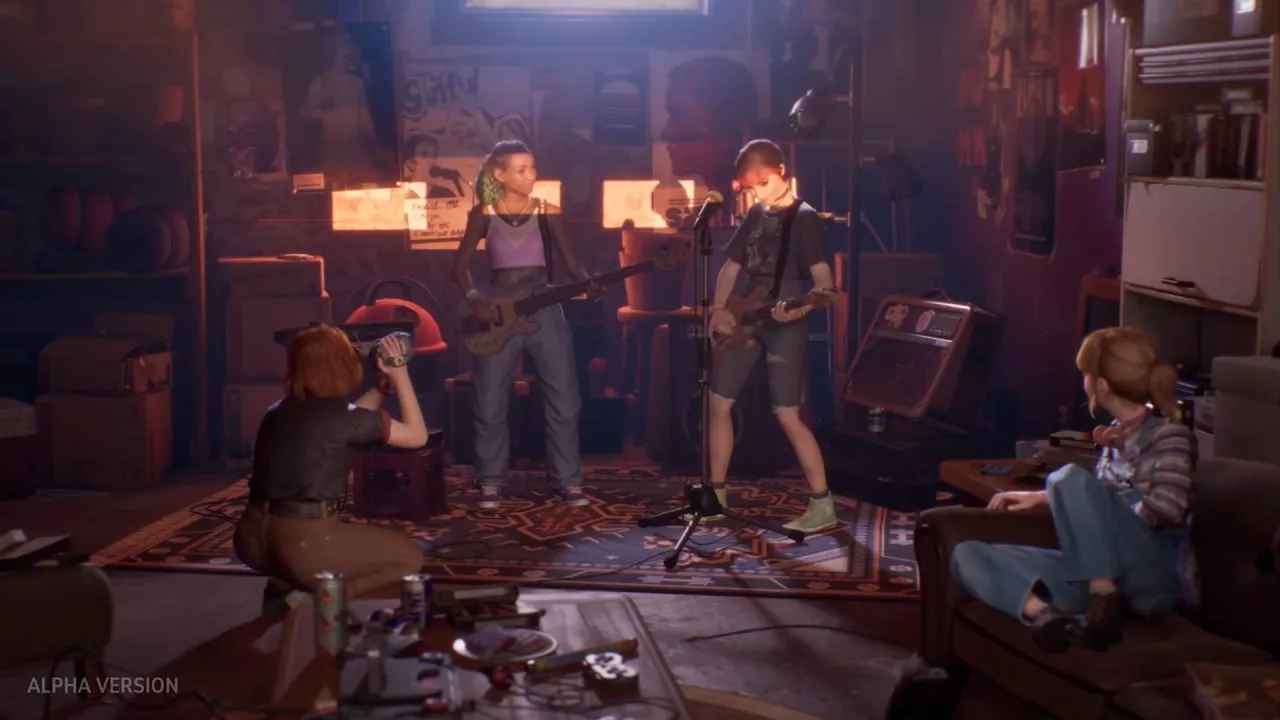
Music plays a pivotal role in Lost Records. The soundtrack, described by the creative director Michael Koch as "Dream Pop," attempts to bridge the gap between nostalgia and modern times. Ruth Radelet, the former lead singer of Chromatics, lends her voice to headline the game's original score, which has been crafted by Nora Kelly. The musical interactions within the game include creating impromptu music with the characters, allowing players to influence the lyrics and composition, adding a personalized and immersive touch to the gameplay.
Not just the music but the physical interactions with objects in the game have been crafted with meticulous attention to detail to evoke a strong sense of nostalgia. From the tactile feedback of handling VHS tapes and camcorders to the authentic sounds captured for the game's myriad objects, everything is designed to transport players back to the nineties, or for younger players, to introduce them to a world previously unknown.
The development team at DON’T NOD has been mindful of depicting teenagers authentically to avoid falling into stereotypes. By employing writers who either experienced the nineties firsthand or can bring a fresh perspective, the game aims to resonate with a broad audience. This includes ensuring that the dialogue and societal norms reflect the period accurately yet feel relevant to today’s youth.
Amidst a resurgence of media focused on past decades, such as the nineties and eighties, Lost Records aims to distinguish itself by focusing on the emotional and subjective memories of its characters rather than striving for a precise historical recap. This approach allows the game to create an ambiance that feels authentic to those who lived through the nineties while being intriguing to those who did not.
Set to launch in two parts, with Tape 1 releasing on February 18, 2025, and Tape 2 following a month later, Lost Records: Bloom & Rage invites players into a meticulously crafted dreamscape of the past, blurred with the edges of memory and time. It offers not just a game, but a journey through the alleys of nostalgia, culture, and the intricate dance of growing up. Whether you're a veteran of the nineties or a curious explorer from a later generation, this game promises to offer a unique narrative adventure that resonates with a wide range of players.

You must be logged in to post a comment!
