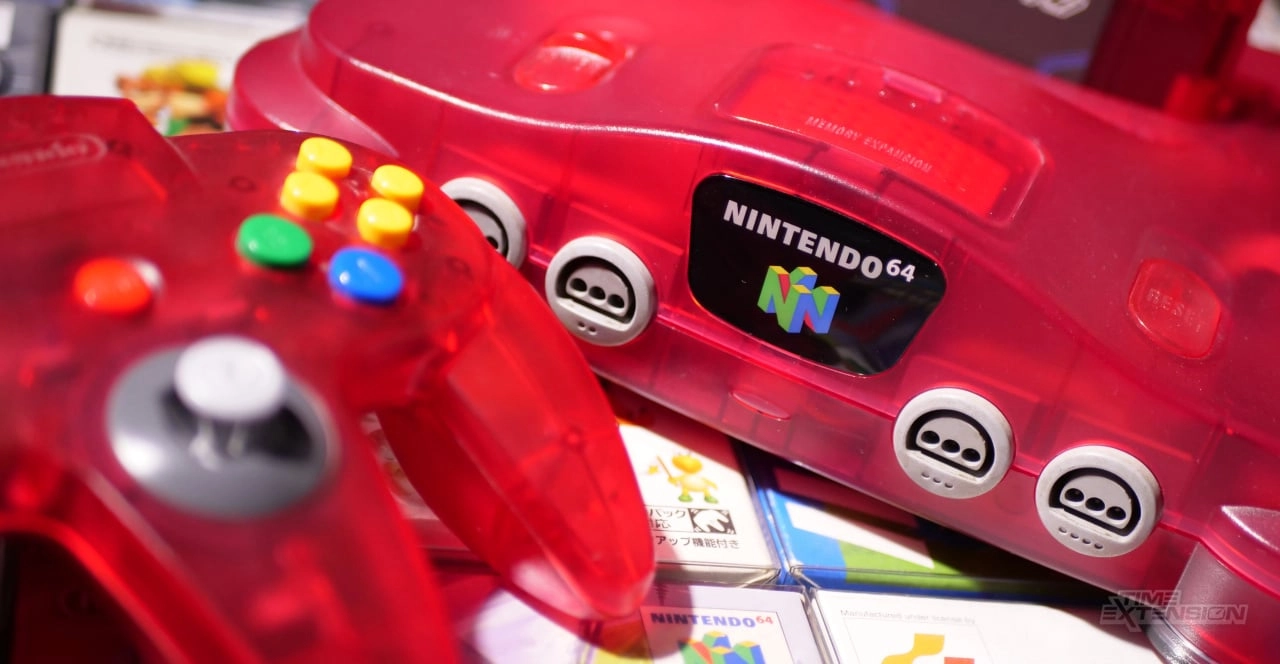
In the realm of video game history, there is a well of unreleased or cancelled titles that avid gaming enthusiasts and preservationists often discuss with a sense of melancholy nostalgia. Recently, one more piece of this complex puzzle has been made public, offering an insight into what could have been. 'Riqa,' a third-person action shooter developed for the Nintendo 64 (N64), has just had its prototypes released online, stitching together a part of gaming's past once thought to be lost.
'Riqa' was developed by UK-based Bits Studios and was intended to be published by Nintendo. Its development was active during a particularly innovative era for gaming, and 'Riqa' was showcased at the 1999 E3 expo. It was conceived as N64's potential competitor to the likes of 'Tomb Raider' and was seen by some as a contender against 'Perfect Dark,' another renowned title of the era. However, despite the promise and anticipation, 'Riqa' was never destined to grace the shelves of video game stores. The project faced numerous delays, and the decision was made to cancel development to refocus the team's attention on other games being developed by Bits Studios.
The recent uncovering of 'Riqa's prototypes is courtesy of one of the original developers who worked on the game, known by the nickname Ten Shu. In a closed Facebook group dedicated to N64 enthusiasts, Ten Shu took a significant step that has resonated throughout the gaming preservation community by posting the final few builds of 'Riqa' dating from the year 2000. This gesture has not only shed light on a long-forgotten project but has also provided the community an opportunity to delve into and experience parts of the game for themselves.
For those wondering about the prototypes' accessibility, Ten Shu uploaded the files in a zip format, which can be downloaded and tried out. These prototypes are compatible with some emulators, and they can also be played on an actual N64 console using an Everdrive. Surprisingly, Ten Shu notes that to play 'Riqa,' one must have two controllers, as the second controller is required to open the menu and select levels. Within these builds, players will find levels to explore, enemies to engage, and various other features like cutscenes, showing different stages of the game's development.
Unfortunately, not everyone has access to the exclusive N64 Supergroup where the builds were originally shared. To overcome this issue, a video game preservationist known as LuigiBlood, created a mirror of 'Riqa' prototypes for easier access and also corrected one of the ROMs that was not functioning properly. With this move, the door has been opened for a much wider audience to download these historically significant files hosted on archive.org.
The journey of 'Riqa' exemplifies the true unpredictability associated with video game development. While it failed to achieve a commercial release, its existence and development process have become a fascination point for those intrigued by gaming history. The prototypes serve as a time capsule, allowing players and analysts to speculate on the potential impact 'Riqa' might have had on the gaming landscape had it been released.
The public release of 'Riqa' prototypes allows modern players to experience an echo of the past, offering a unique insight into the design philosophy and technical capabilities of the time. It is a tale that underscores the importance of preservation in the digital age, ensuring that even projects that never saw daylight are remembered and celebrated.
Across the internet, the community has expressed excitement and gratitude for Ten Shu's decision to share 'Riqa' with the world. It has sparked conversations about other lost titles and has become a highlight for game historians and enthusiasts. With 'Riqa' now playable in some form, the game joins a library of 'could-have-beens,' reminding us of the often unseen efforts that go into the making of a video game and emphasizing the importance of preserving these creative ventures for future generations to appreciate and analyze.
The release of 'Riqa's prototypes is more than just an opportunity to play an unreleased game; it's an invitation to glimpse the fragility and the behind-the-scenes complexity of game development. As we continue to explore and uncover hidden chapters of video game lore, every released prototype is a victory for historical documentation and cultural preservation within the gaming industry.

You must be logged in to post a comment!
