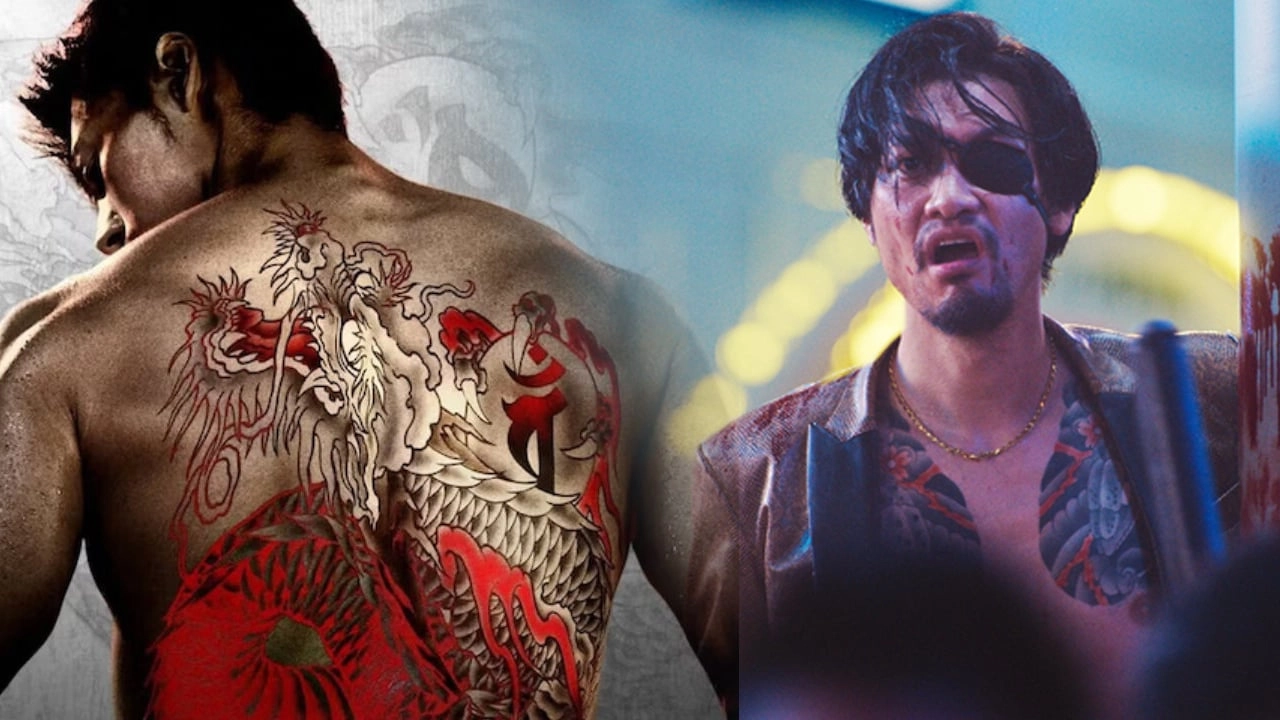
The much-anticipated TV adaptation of SEGA’s renowned video game series, now rebranded as Like a Dragon, premiered on Amazon Prime to high expectations. The Yakuza series has evolved significantly since its early days when SEGA almost discontinued it, leading to Sony taking over the localization of Yakuza 5. A decade later, the series not only survived but thrived, expanding into new territories including a major TV series intended for a global audience. This development seemed promising, especially considering past cinematic endeavors, such as Takashi Miike’s 2007 film adaptation which still holds a cult status among fans. However, the initial excitement for this show has been dampened by its execution.
The series stars Ryoma Takeuchi as Kazuma Kiryu, the stoic hero known from the games. Unfortunately, Takeuchi’s portrayal lacks the charisma and gravitas that fans have come to associate with Kiryu, a pivotal character whose complex persona adds depth to the gaming experience. The show’s attempt to narrate events from Yakuza 0 and the original Yakuza (or Yakuza Kiwami) diverges considerably from the source material, making it almost unrecognizable to long-time fans. This deviation is not necessarily an issue; not all adaptations need to be faithful retellings. However, the essence and engaging elements of the original should ideally be preserved, which this adaptation fails to achieve.
Goro Majima, another key character, portrayed by Munetaka Aoki, receives a similar treatment. Majima’s eccentricity and unpredictability are legendary among Yakuza fans, but in the show, he seems underused and his portrayal borders on superficial. It feels as though Majima’s inclusion was more of a necessity to tick boxes rather than a meaningful part of the narrative. On a more positive note, Kento Kaku delivers a strong performance as Nishikiyama, showing a believable transformation from a mild-mannered young man to a ruthless crime lord. This character arc provides some of the more intriguing moments of the series.
The production values, particularly the attention to detail in the sets, deserve commendation. The creators have replicated elements from the 1990's setting meticulously, with everything from movie posters to arcade banners like Virtua Fighter 2.1 adding authenticity to the environment. The gritty, seedy portrayal of Kamurocho (mirroring Tokyo's real-life Kabukicho) captures the series' atmosphere, though it heavily uses CGI.
Despite these visual successes, the series struggles with pacing and plot coherence. Episodes, averaging under 50 minutes, feel drawn out, burdened by numerous subplots that fail to converge into a coherent whole. This lack of focus may alienate casual viewers and can even leave dedicated fans of the franchise feeling disconnected from the story. The absence of humor and light-heartedness, elements that balance out the more serious and violent aspects of the games, makes the series feel drearier than necessary.
What’s particularly disheartening is the overall generic quality of the show. Beyond the connection to the Yakuza games, there’s little in this adaptation that stands out amid the plethora of available crime dramas. This is a significant missed opportunity, especially considering the unique blend of outrageousness, emotion, and action that defines the Yakuza series. Additionally, the exploration of Yumi, a character less developed in the games, provides some interest, but it's insufficient to carry the series.
Ultimately, Like a Dragon: Yakuza on Amazon Prime does not meet the expectations set by its video game origins. The series comes off as a tepid interpretation of a franchise known for its vibrant characters and engaging storytelling, turning what could have been a compelling watch into a forgettable affair. For fans and newcomers alike, the show may not provide enough reasons to keep tuning in, marking a disappointing chapter in the otherwise successful legacy of the Yakuza series.

You must be logged in to post a comment!
