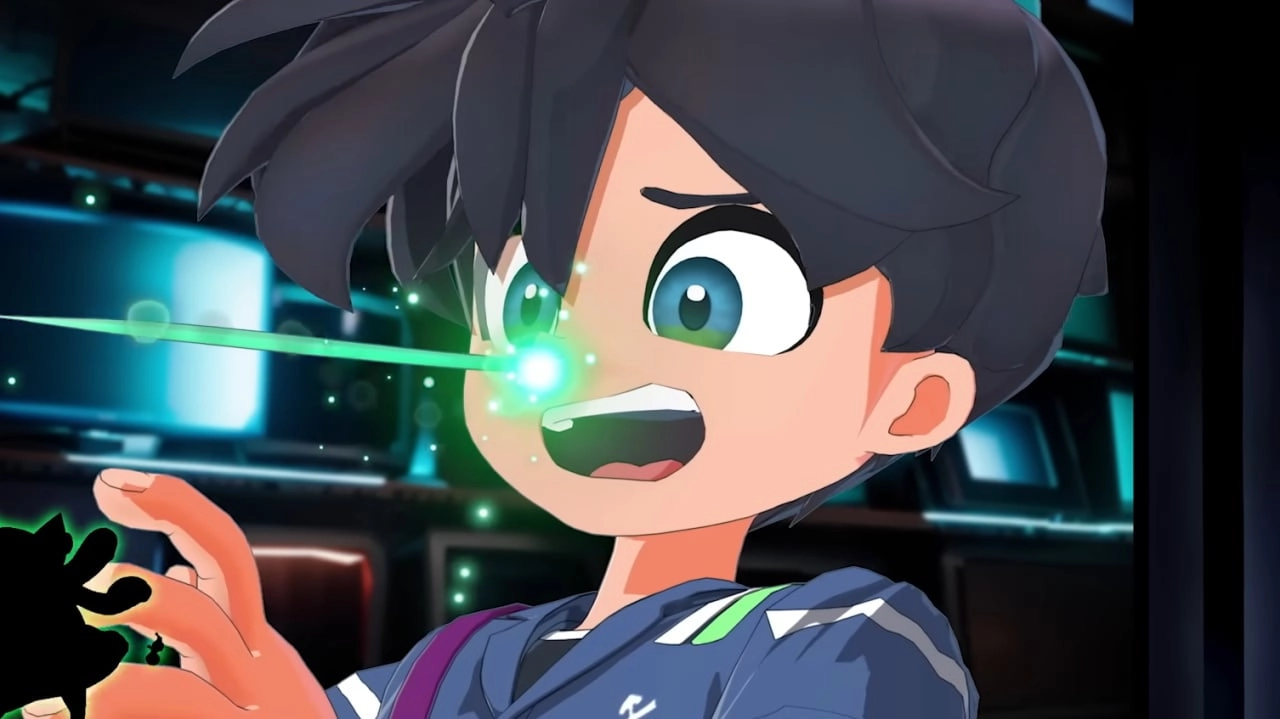
Japanese game developer Level-5 recently unveiled a teaser for its new Yo-Kai Watch concept titled 'Holy Horror Mansion.' This new project is described as a "cross-media project" featuring a "Ghost Craft RPG," signalling ambitious plans for expanding the beloved Yo-Kai Watch universe. However, the excitement soon turned into controversy as eagle-eyed fans began to suspect that the teaser utilized AI-generated artwork.
The initial reaction to the announcement was predominantly positive, with fans eager to see what Level-5 would present as the next big thing in the Yo-Kai Watch series. However, the tone shifted when some viewers started analyzing the teaser trailer more closely. Discussions on social media platforms quickly emerged, with fans pointing out elements in the visuals that seemed to be generated by AI technology. This led to a broader conversation about the implications of using AI in creating game content.
Criticism came swiftly from various quarters, with some fans expressing deep disappointment. The main point of contention lies in the expectation of original art created by human artists, which is highly valued in the gaming community for its authenticity and creativity. The fear is that relying on AI could compromise these values, making game environments and characters feel less unique and imaginative. One fan articulated their discontent on Twitter, stating that it was a "terrible look" for what was supposed to be Level-5's most significant cross-media project to date. They criticized the company for padding out the trailer with minimal original assets and heavily relying on AI-generated content without clear disclosure to the audience, describing this approach as "scummy."
Despite the backlash, it's worth noting that Level-5 has openly explored the use of generative AI in their development processes. The company had previously indicated that AI tools were being employed as reference materials during game development, which some fans were willing to accept. However, the apparent extensive use of AI in the actual teaser did not sit well with much of the community, sparking fears that this could set a precedent for future projects.
In response to the mounting concerns, some voices within the community have urged fans to hold their judgment. They suggest that the teaser, being an early concept, might not necessarily reflect the final product. There is hope that feedback from fans could influence the developers to revert to using human-created art or at least maintain a significant level of human oversight in conjunction with AI tools.
This incident has stirred a broader debate on the role of AI in the creative processes of game development. As AI technology evolves and becomes more integrated into various industries, including entertainment and media, its impact on traditional creative roles continues to be a contentious issue. Fans and creators alike are grappling with the balance between leveraging AI for efficiency and maintaining the personal touch that human artists bring to creative works.
Level-5 has promised to provide more details about 'Holy Horror Mansion' in Spring 2025, which many hope will include clarification on their stance towards the use of AI in this project. As the situation unfolds, the gaming community will be keenly watching how Level-5 addresses these concerns. The integration of AI in gaming, while innovative, raises essential questions about the future of game design and the preservation of creative integrity. Whether or not AI will feature in the final version of the game remains to be seen, but it is clear the discussion it has sparked is far-reaching, touching upon the very essence of what it means to create in the digital age.

You must be logged in to post a comment!
