Fortnite, the globally popular online battle royale game, has recently faced some criticism from its community following the announcement of a new feature – LEGO Kits. The concept seemed promising, blending the creative aspects of LEGO with the survival and building elements of Fortnite. Initially, this crossover attracted players, both new and seasoned, excited by the potential of integrating LEGO structures into their virtual playground.
However, tension arose when Epic Games, Fortnite's developer, revealed that these new LEGO Kits would not be freely available to all players. Instead, the Kits have been relegated to the Item Shop, a virtual storefront within the game where players can exchange the in-game currency, known as V-Bucks, for various digital goods. The catch is that V-Bucks can be a challenging commodity to come by without opening one's wallet.
Technically, players can accumulate V-Bucks by working their way through the game's Free Pass or Battle Pass, which involves completing levels and objectives – a process that can be painstaking and time-consuming. The alternative, and a much quicker route, is to purchase V-Bucks using real money. With the community's knowledge of these acquisition methods, it was clear that the integration of LEGO Kits into the ecosystem of the game would have a price tag.
What fuelled the community's disapproval was the pricing structure disclosed for these new Kits. Three particular Kits were highlighted in the announcement, with costs ranging between 1,900 and 2,500 V-Bucks. Considering that 1,000 V-Bucks is equivalent to approximately 8.99 USD, obtaining all three of the announced Kits would require a player to spend an estimated 44.00 USD.
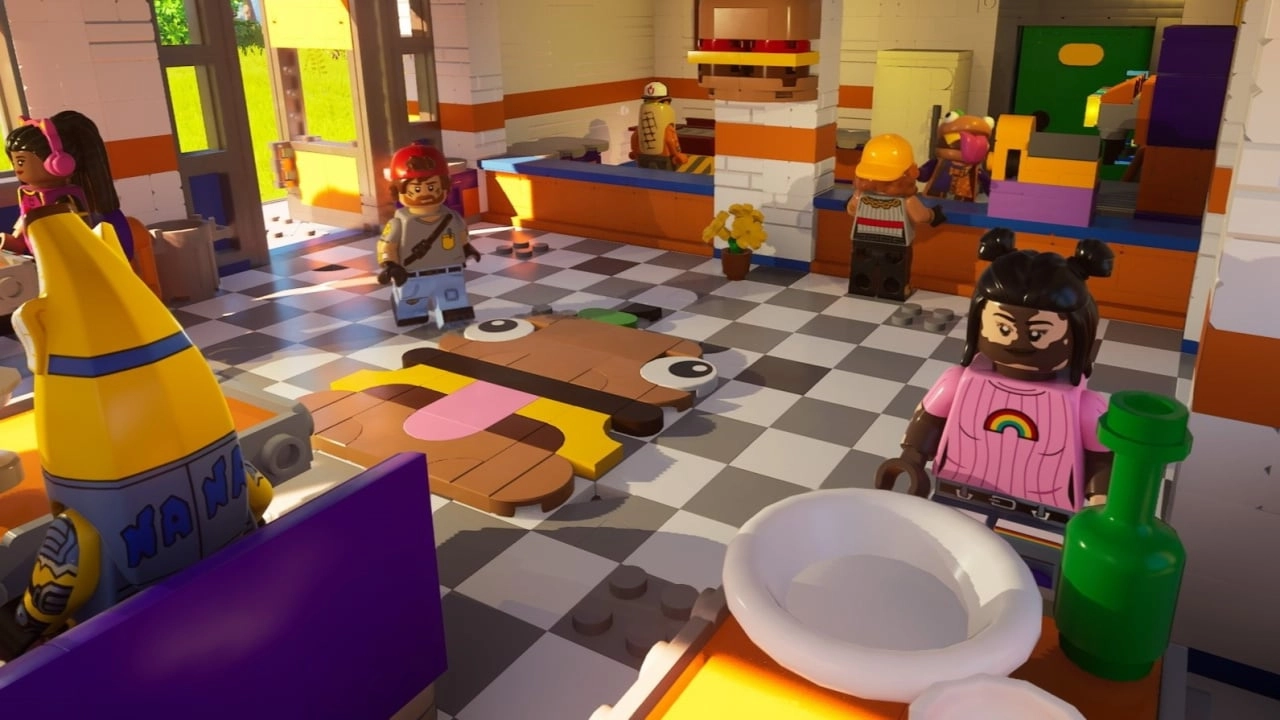
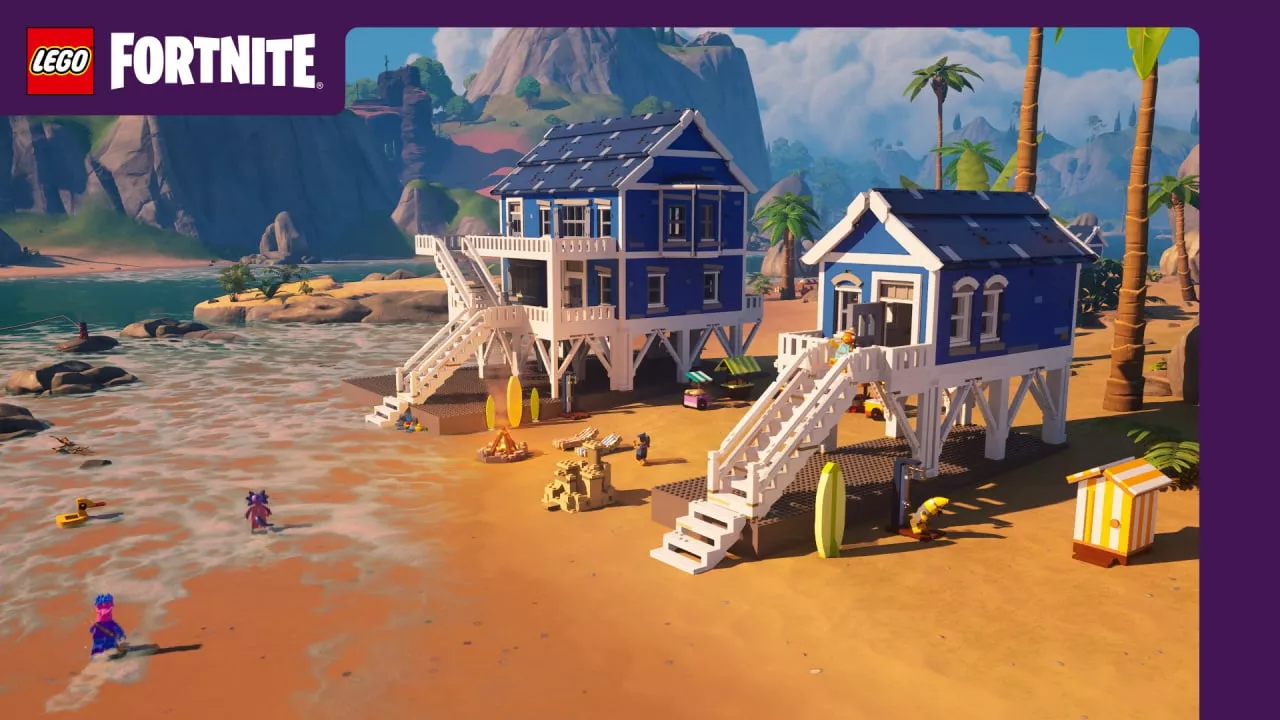
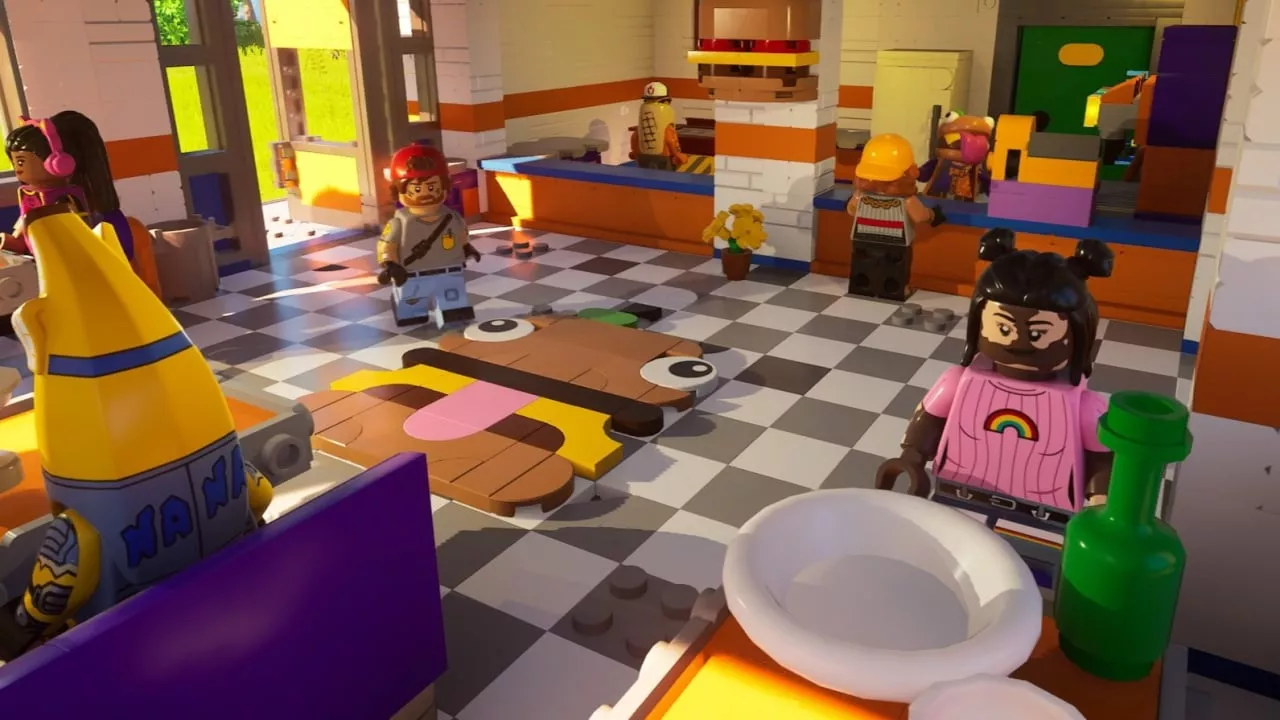
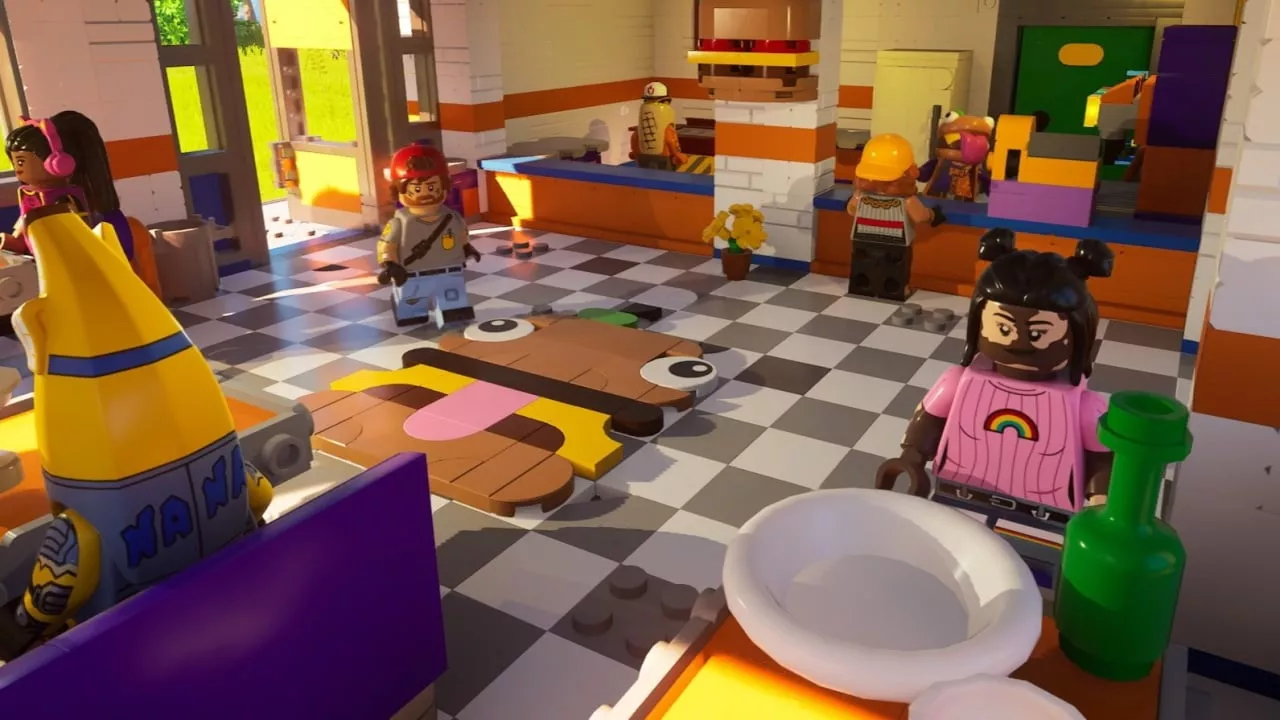
These LEGO Kits, though aesthetically appealing and likely to enhance gameplay significantly, were themed around creative builds such as beachside houses, a burger bar, and the illustrious Lion Knights' castle, featuring numerous builds and numerous items each. Fans expressed that these appealing features make the fee all the more regrettable, as the inclusion of such content should ideally be more accessible to all players.
Notable Fortnite streamers and players within the community publicly voiced their disappointment over the decision to place these Kits behind a paywall. Concerns also emerged about a potential "content drought," with the criticism extending to the concept of paid content as potentially detrimental to the game's ecosystem.
The backlash on social media platforms and specific subreddits dedicated to LEGO Fortnite was palpable. Players advocated for a communal response to demonstrate their dissatisfaction, suggesting a boycotting approach by refusing to open their wallets. By restraining from purchasing the Kits, they hoped to send a message that the community expected a stable game filled with satisfactory, readily available content, not expensive digital goods.
The discord within the community was not merely about expense—it was a significant concern about the precedent such pricing strategies might set and the broader implications for the game's long-term appeal and fairness. Some fans argued that the strategic decision was tone-deaf, particularly in light of pre-existing grievances regarding the amount of content and attention the LEGO aspect of Fortnite had previously been receiving.
Epic Games scheduled the first two LEGO Kits for release in the Item Shop the coming weekend, with the Castle Kit set to arrive on the 16th of March. As this conversation unfolds and fans consider the impact of such a monetization model, one can only speculate on how the company will respond to the concerns being aired. As the community waits to see if these voices will influence future decisions on game content monetization, the central issue remains: players love the game and want to see it grow in ways that are inclusive, fair, and fun for everyone.

You must be logged in to post a comment!
