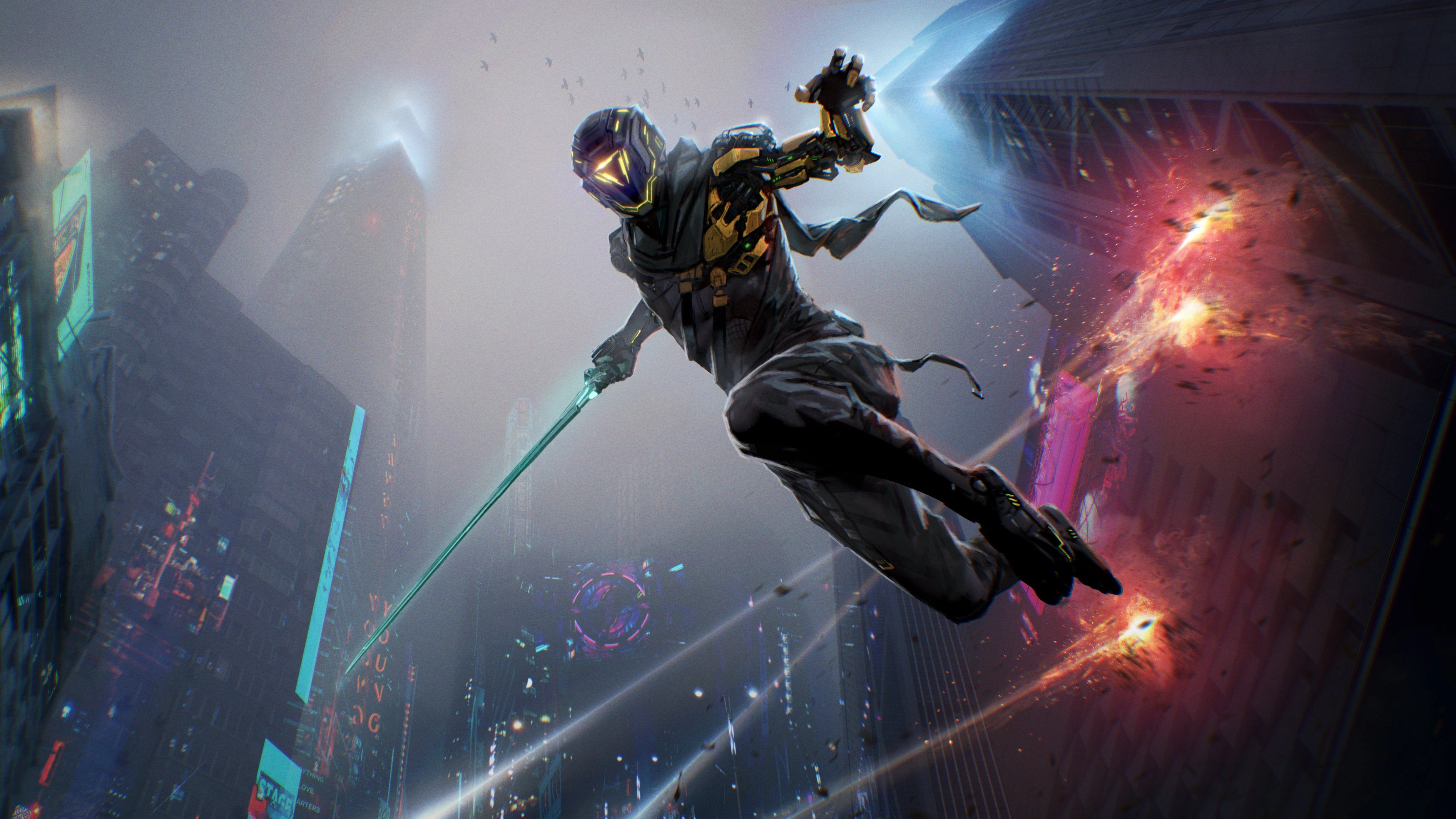
The gaming industry has witnessed yet another round of layoffs, this time at 3D Realms and Slipgate Ironworks, studios renowned for their work on titles such as Ghostrunner, Shadow Warrior, and the iconic Duke Nukem. These layoffs come amidst the broader restructuring initiative undertaken by their parent company, Embracer Group.
Several employees from both studios have been laid off, according to Scott Miller, the founder of 3D Realms. Miller, who departed the company around the time Embracer acquired it in 2021, shared reports indicating that "a lot of people, including core devs" were now jobless. He further noted that the reductions were extensive, with "at least half the company" being impacted. While Embracer and the affected studios have not officially confirmed the layoffs, multiple posts by former employees of 3D Realms and Slipgate on social media support Miller's claims. Among those let go were prominent figures of the studio, including lead character artist Lars Bundvad-Åmodt, sound designer Michael Markie, and others who played critical roles in the development of popular games.
The legacy of 3D Realms dates back to its inception as Apogee Software, which gained acclaim by introducing Duke Nukem in the 1990s, along with publishing early id Software games like Wolfenstein 3D. However, after the troubled development of Duke Nukem Forever, the studio ceased in-house game development in 2009, focusing instead on licensing its properties. In a twist of fate, the Duke Nukem franchise was handed over to Gearbox Software. It was not until 2014, when 3D Realms was acquired by a Danish investment group, that the studio resumed game development, working alongside Slipgate.
Their revival led to their involvement with projects like Ghostrunner, a cyberpunk platformer, alongside Slipgate Ironworks. Their acquisition by Embracer Group in August 2021 brought 3D Realms full circle, reuniting the Duke franchise within Embracer's extensive portfolio.
The layoffs at these studios form part of a broader trend within the industry and within Embracer's recent activities, which include a restructuring program launched over the summer. This initiative has already seen over 900 people lose their jobs. Such widespread cuts led to the closure of veteran studios like Volition and Free Radical, with the latter being shut just days before the layoffs at 3D Realms and Slipgate were reported.
Embracer's measures are part of an ongoing industry trend marked by widespread layoffs and studio closures, affecting prominent names in the industry including Unity and Hasbro's Dungeons & Dragons division. These companies have collectively let go thousands of employees, with indications that these layoffs are expected to continue into the subsequent year.
The timing of these layoffs is particularly harsh, occurring just days before the Christmas holidays, casting a shadow on what is typically a festive season. The morale within the gaming industry has been considerably affected by such frequent job insecurity. This reflects a growing climate of instability in the sector, one characterized by project cancellations, evolving market demands, and corporate restructuring for the sake of alleged efficiency or strategic reorientation.
The impact of such layoffs extends beyond just the immediate loss of employment. It affects ongoing and future projects and is indicative of larger shifts in the gaming industry's landscape. As companies like Embracer continue to consolidate and reshape their operations, the gaming community is keeping a vigilant eye on how these changes might affect not only the developers and their livelihoods but also the games that are being produced and the future of the medium as a whole.
Employees affected by these layoffs are now seeking new opportunities, with Scott Miller even suggesting the possibility of hiring some of the laid-off staff for new endeavors. This scenario showcases the resilience of the industry's workforce and the communal support that often emerges in the face of adversity.
You must be logged in to post a comment!
