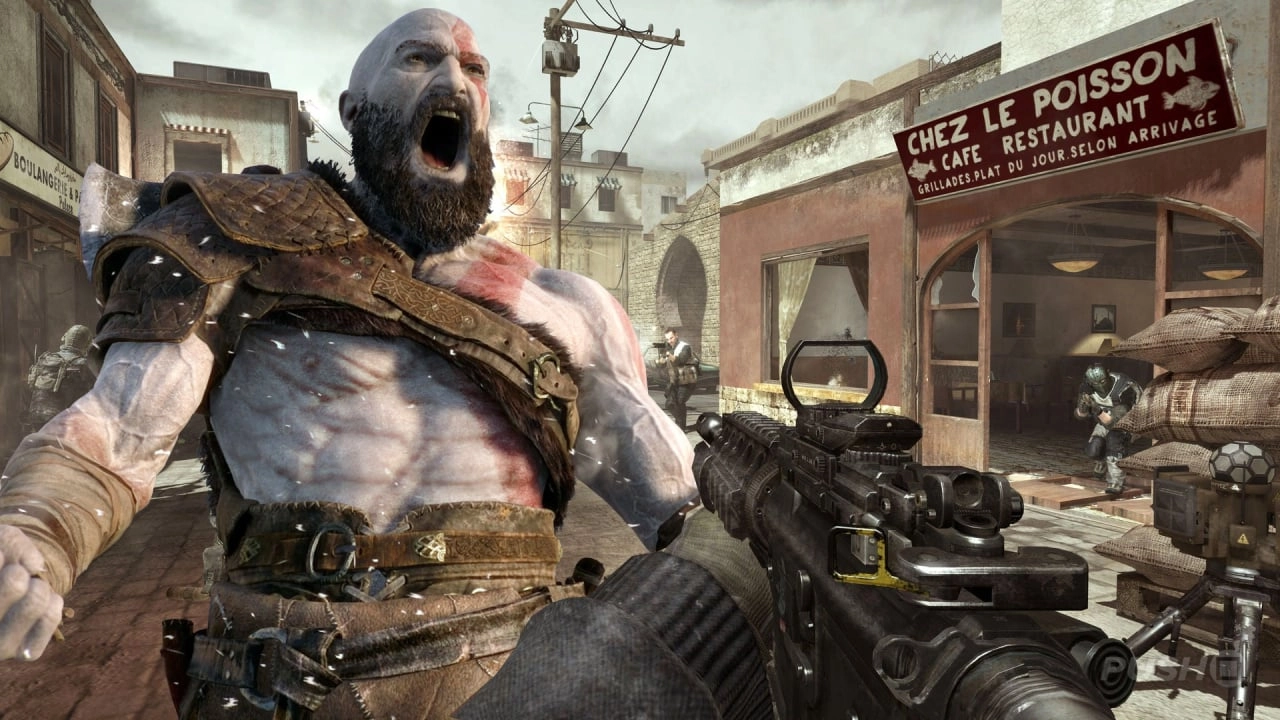
In an unexpected twist at The Game Awards, Christopher Judge, widely known as the powerful voice behind the character Kratos in the God of War video game series, made a comment that sparked a wave of backlash from the team behind the latest Call of Duty game. During his appearance before presenting the Best Performance award, Judge quipped that his speech from the previous year was "actually longer than this year's Call of Duty campaign." This off-the-cuff joke did not sit well with the members of the development team.
The recent installment of the Call of Duty franchise, overseen by Sledgehammer Games, has been under scrutiny for its notably brief single-player campaign and critique over the reuse of multiplayer maps. The assessment of the latest Modern Warfare game has been less than stellar, with some calling it lackluster and indicative of a series that desperately needs revitalization. In coverage of Modern Warfare 3 for PlayStation 5, the game has been depicted as having "truly anaemic" substance, suggesting a turning point for the franchise that demands significant change.
The developers behind the game expressed their dissatisfaction with Judge's jab. Darcy Sandall, a representative from Sledgehammer Games, shared their disappointment over the comment, particularly because they usually expect more supportive conduct from fellow industry professionals at such events, which are meant to celebrate the achievements in gaming over the past year.
Moreover, Ajinkya Limaye, previously part of Infinity Ward (another studio that contributes to the Call of Duty series) and now a Bungie employee, chimed in with retaliatory remarks. Though later retracted, a tweet of his pointedly hinted at Call of Duty's success in comparison to the God of War series, albeit clarifying that the intention wasn’t to devalue God of War. The controversy illustrates how a seemingly benign joke can inadvertently cause tension among industry peers.
It is important to note the context behind the development of the newest Call of Duty game. Due to strategic shifts at Activision, what was initially planned to be downloadable content (DLC) was transformed into a fully-fledged game release. This decision led to a truncated development schedule and may explain some of the issues faced by the game upon its release, including the reasons behind the negative reviews.
The reaction to Judge's comments shows how deeply game developers care about their work and how sensitive they can be to criticism, especially when it is broadcasted publicly during a prestigious industry event like The Game Awards. The tension also highlights the competitive nature of the gaming industry, where the metrics of success and the quality of products can be a source of great pride or contention among the creators.
The interchange between Judge and Call of Duty developers serves as a reminder that the gaming industry remains as much about passionate creation as it does business or entertainment. At the core of these heated exchanges are individuals who invest considerable efforts into the games they develop, hoping each release will be well-received by players and critics alike. As the narrative unfolds and the dust settles, it is a moment that reflects not only the personal attachment of developers to their projects but also the broader conversation about game development practices, sustainability, and the embodiment of respect across the gaming community.

You must be logged in to post a comment!
