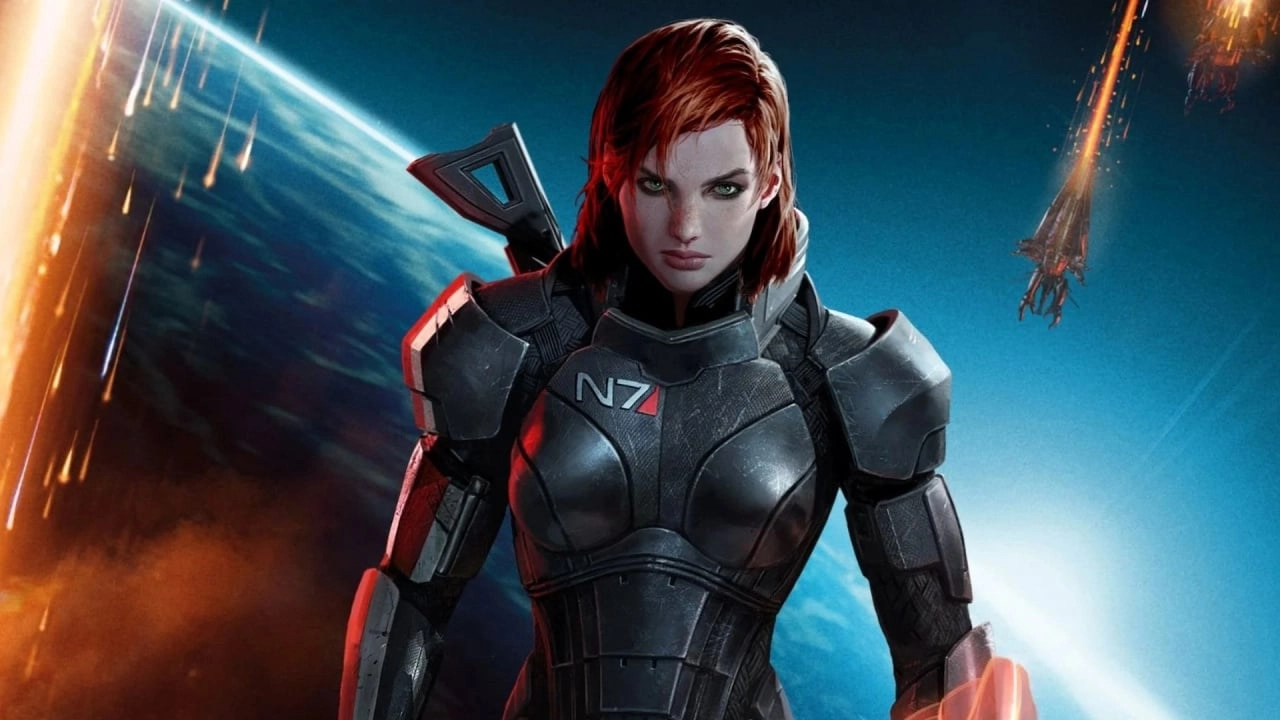
Jennifer Hale, renowned for her voice work in iconic video games like Mass Effect and Metal Gear Solid, has become a vocal critic of the increasing use of artificial intelligence (AI) in voice acting. Her concern highlights a significant issue within the creative industries: the potential for AI to not only replicate but also replace the emotive and unique aspects of human-delivered voiceovers.
The tension around AI's role in creative professions has been building, coinciding with broader labor disputes across various sectors, including the ongoing strikes by SAG-AFTRA, the union representing voice actors. These strikes aren't just about wages; they are fundamentally about the implications of technological advancements on job security and the essence of creative expression.
Hale's commentary sheds light on a dichotomy that AI presents — a tool versus a replacement. She uses a powerful metaphor to describe AI: likening it to a hammer that can both build homes and destroy identities. Her point underscores the dual-use nature of technology; it can be employed for beneficial purposes or misused to diminish individuality and creativity, particularly when it replicates personal attributes such as an actor's voice.
The crux of Hale's argument centers on compensation and recognition. If AI uses the unique characteristics of a person’s voice, she insists that the original human source should be compensated. This stance is rooted in a broader debate about intellectual property and labor rights in the face of automation and AI technologies that can learn from and mimic human performances without ongoing human involvement.
Discussion around this topic isn't limited to the entertainment industry. Across various professional fields, there's a growing concern about AI's capability to replace human roles with automated systems. This is particularly sensitive in creative fields like voice acting, where the product is inherently personal and deeply human.
The debate extends into public and professional discourses, with opinions divided on AI's role in society. Some advocates see historical parallels, arguing that just as past technological innovations, such as the printing press and industrial machinery, initially faced resistance but ultimately led to progress, AI too will open new frontiers. Critics, like Hale, worry that these technologies will undermine human skills and capabilities, leading to a devaluation of human workers and a loss of jobs.
This debate is poignant against the backdrop of video games, where voice acting contributes significantly to the emotional depth and richness of the experience. With video games becoming more expensive and complex to produce, the pressure to cut costs is intense. AI presents a tempting solution to these financial pressures, but not without cultural and ethical trade-offs.
The conversations around AI in voice acting reflect broader societal questions about the balance between technological advancement and human values. It's a debate about the rights of workers in the age of automation, the preservation of artistic integrity, and the very definition of creativity.
As users and consumers, the choices made today about supporting or rejecting AI-generated content will shape the cultural landscape of tomorrow. The ongoing discussions, including those prompted by voices like Jennifer Hale's, are crucial in navigating these complex issues. They are not just about the future of an industry but about deciding the values that society wants to uphold in an increasingly automated world.

You must be logged in to post a comment!
