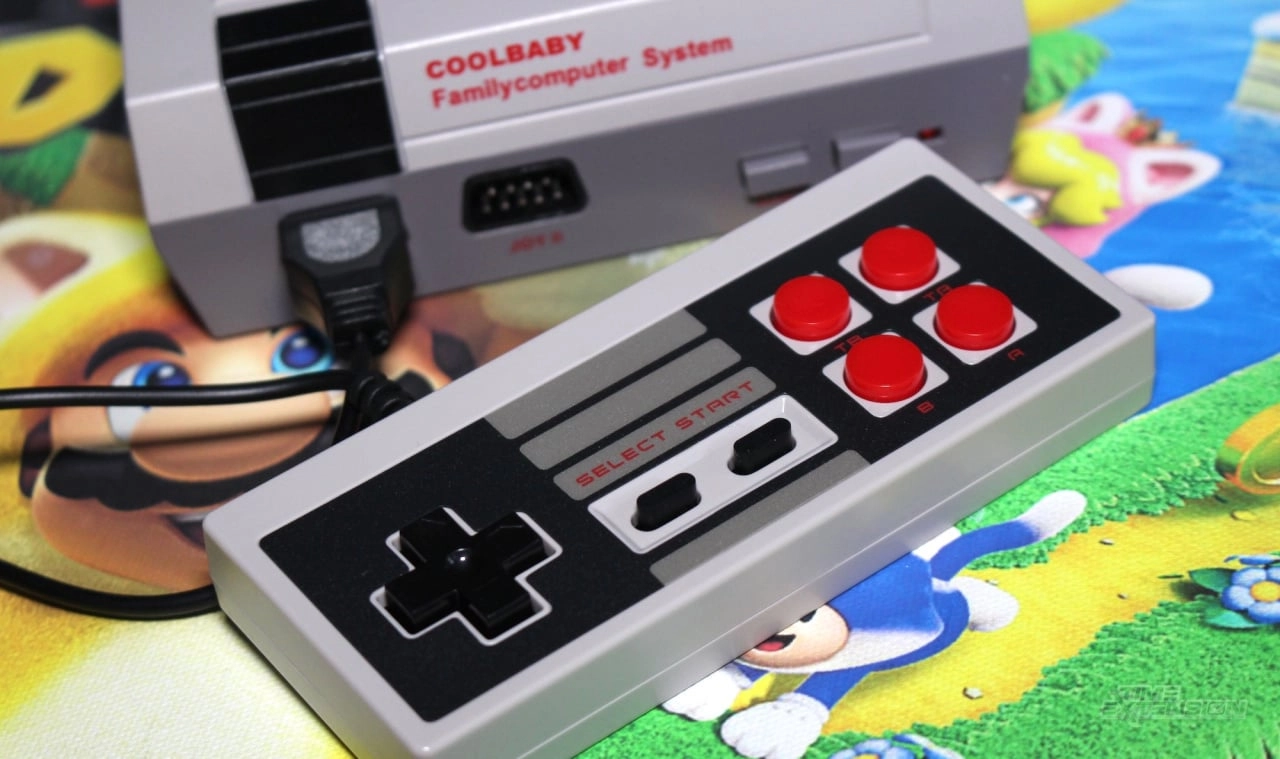
In a significant crackdown on counterfeit goods, Italian authorities recently dismantled a substantial operation dealing in fake retro gaming consoles, culminating in the arrest of nine suspects and the seizure of merchandise valued at nearly $55 million. This operation showcases the ongoing battle against intellectual property theft and highlights the risks associated with counterfeit electronics.
The operation was spearheaded by the economic crime unit of Turin’s financial police, under the direction of Alessandro Langella. Investigations led to the discovery of 12,000 gaming systems that were manufactured in China and designed to resemble classic gaming consoles from prominent companies like Nintendo, Sega, and Atari. These devices were not only illegal due to the pirated video games they contained but were also fitted with non-certified batteries and electrical components. Such substandard components pose significant safety risks, especially as they fail to meet European Union technical and safety standards.
The distribution network for these counterfeit consoles was extensive, spanning both physical video game stores and online platforms. This wide-reaching distribution indicates a well-organized operation aimed at capitalizing on the nostalgia and market demand for retro gaming consoles. The popularity of retro games has led to a lucrative market, not just for legitimate re-releases by original manufacturers but also for counterfeiters looking to make a quick profit by skirting intellectual property laws and safety regulations.
During the seizure, the authorities discovered that these counterfeit devices were packaged and presented in a manner that closely mimicked the original products. This level of detail in the counterfeiting process highlights the sophistication and the deceptive intent of the operators, making it difficult for consumers to distinguish between genuine and fake products. As a result of the operation, all seized systems were destroyed to prevent them from entering the market, ensuring they posed no further economic or safety threats.
The arrested Italian nationals now face serious charges related to trading in counterfeited goods. If convicted, they could be sentenced to up to eight years in prison. This reflects the seriousness with which Italian authorities, and indeed global law enforcement agencies, view crimes of copyright infringement and manufacturing of counterfeit goods, particularly when public safety is at risk.
The issue of counterfeit retro gaming consoles is not isolated to Italy. Around the world, there are instances where law enforcement has intercepted similar counterfeit operations. For example, back in 2019, North American authorities seized hundreds of fake NES Classic systems valued at $800,000. Furthermore, it's noteworthy that similar counterfeit systems are currently being sold on major online platforms like Amazon, and companies based in China, such as Anbernic and PowKiddy, are shipping handheld systems loaded with ROMs without appropriate licensing.
The ongoing sale of such counterfeit products underscores the challenges and complexities in combating intellectual property violations in a digital and globalized marketplace. Consumers often find it difficult to identify counterfeit products, especially when shopping online. This situation is exacerbated by the intricate international nature of manufacturing and distribution networks, which can obscure the origins and legitimacy of products.
This case serves as a poignant reminder of the importance of vigilance in purchasing electrical and electronic equipment. Consumers are urged to buy from reputable sources and verify the authenticity of products to ensure they meet safety standards and are legally sold. Additionally, this incident will likely prompt further scrutiny and potentially more stringent regulations on the import and sale of retro gaming systems and similar electronic goods.
This successful crackdown not only prevents potential harm from unsafe products but also helps protect the intellectual property rights of companies that have invested in creating beloved gaming systems, ensuring that the legacy of classic games is preserved through legitimate means.

You must be logged in to post a comment!
