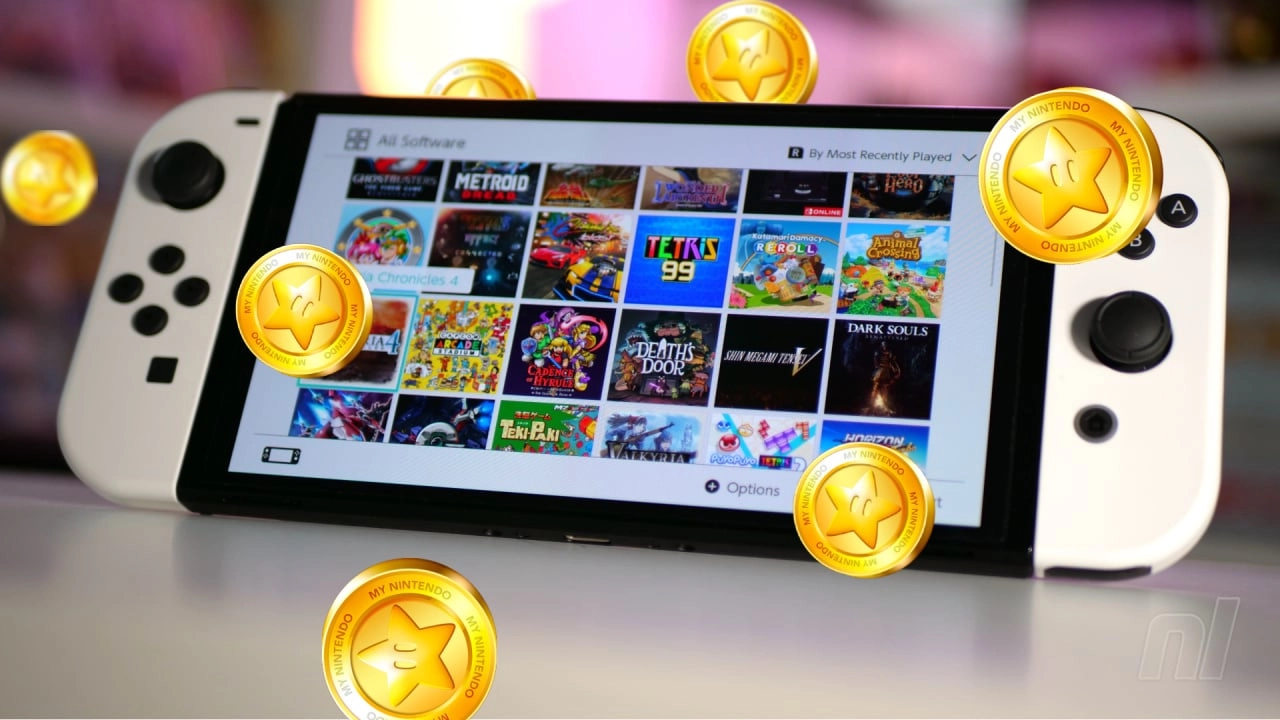
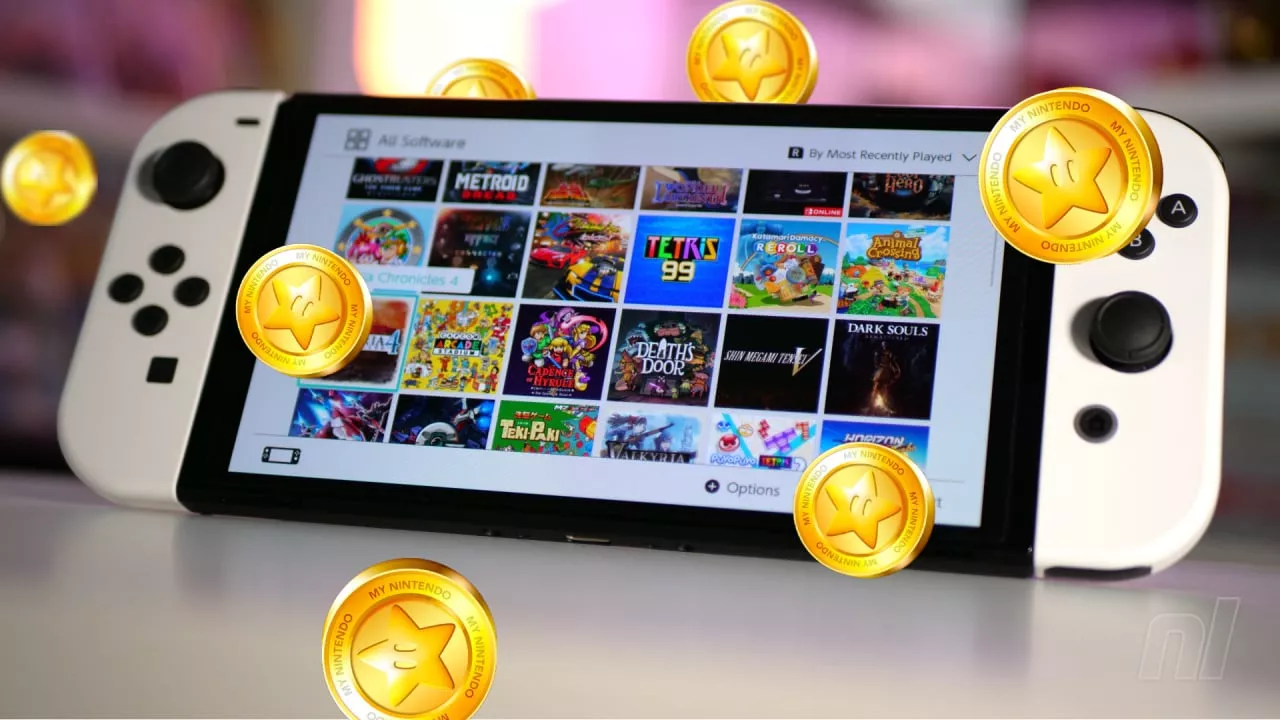
The gaming world is abuzz with anticipation as rumors about the pricing of Nintendo's successor to the popular Switch console, often referred to as the 'Switch 2', continue to swirl. Speculation is rampant, particularly regarding how this next-generation console will be priced, as Nintendo has yet to make an official announcement.
Historically, Nintendo has launched its consoles at a more competitive price point than its rivals. The original Switch debuted in 2017 with a price tag of $299.99, followed by the Switch Lite in 2019 at $199.99, and the Switch OLED model in 2021 at $349.99. By comparison, other gaming giants like Sony and Microsoft have set higher price tags for their consoles, with PlayStation 5 and Xbox Series X|S starting around $499.
Current discussions have been influenced by insights from industry analysts. Earlier this year, Dr. Serkan Toto of Kantan Games suggested a likely $400 price for the upcoming console. However, a more recent report by Hideki Yasuda of Toyo Securities estimated the 'Switch 2' could be priced at $499 or lower. This forecast places the new Nintendo console in a substantially higher bracket than its forerunner. Yasuda's prediction raises eyebrows, considering it would mark the most significant departure yet from Nintendo's traditionally lower price points.
The justification for a higher price might be rooted in the technology packed into the new console. Rumors suggest the 'Switch 2' might employ the Nvidia T239 chip, which could provide a performance roughly parallel to the last-generation consoles like the PlayStation 4 and Xbox One. Moreover, there are murmurs about the console featuring electromagnetic Joy-Con controllers, which would amp up its appeal and innovative edge.
Despite these enhancements, some argue that a $499 price tag might still be too steep, especially given Nintendo's history and market strategy of affordability. Nintendo's approach has usually involved slightly lower tech specifications compared to its competitors, allowing it to offer lower prices. For instance, the Wii, launched at $249.99, was significantly cheaper than the contemporaneous PlayStation 3 and Xbox 360.
Nevertheless, if the 'Switch 2' can truly deliver a substantial performance boost — say, running high-caliber demos like the Unreal Engine 5's Matrix Awakens showcase, which the console is rumored to have displayed at a confidential Gamescom 2023 presentation — the higher price could potentially be justified. Furthermore, innovations like a possibly new screen technology, moving from OLED back to LCD, might influence manufacturing costs and retail pricing.
While the $400 to $450 range might appear a more judicious estimate, aligning closer with Nintendo's historical pricing strategy and market positioning, $499 could position the 'Switch 2' on par with launch prices of the PlayStation 5 and Xbox Series X. This pricing strategy would be a significant shift for Nintendo, potentially aligning its console as a direct competitor in terms of performance and price rather than primarily competing on value.
The gaming community has mixed feelings about this potential price point. The affordability of Nintendo consoles has been a massive part of their appeal to a broad demographic, including families and younger gamers. A higher price could alienate this core segment of Nintendo's market or push them towards more competitively priced alternatives.
As the gaming world waits for an official announcement, which could confirm features and pricing, the debate continues. The price point of the 'Switch 2' will not only influence consumer choices but also speak volumes about Nintendo's strategic positioning in the evolving console market. Whether $499 will be seen as a fair trade-off for the rumored enhancements in the 'Switch 2' remains to be seen.

You must be logged in to post a comment!
