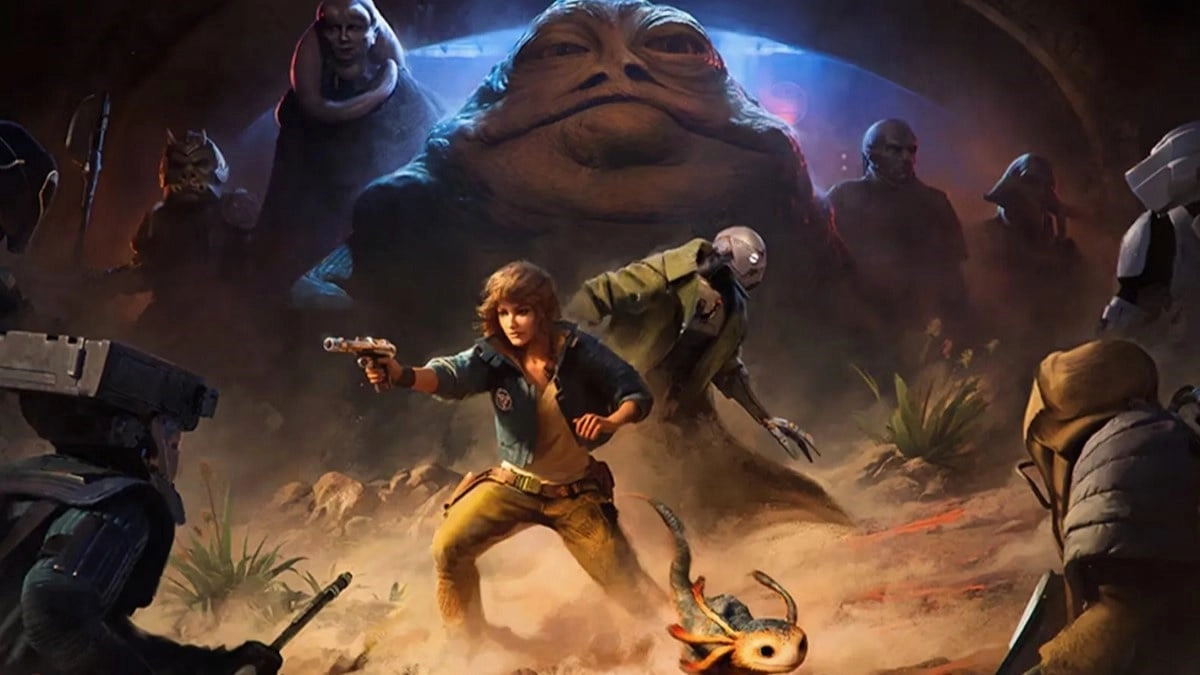
Ubisoft, a video game publishing giant known for popular titles like Assassin's Creed, is currently experiencing significant internal and external pressures. The company's stock prices have plummeted to new lows, exacerbated by the underwhelming launch of Star Wars Outlaws and ongoing difficulties with the live service shooter XDefiant. Recently, these troubles have intensified with another severe drop in their stock value on the London Stock Exchange, which has drawn attention and action from its investors.
AJ Investments, which holds less than 1% of Ubisoft's shares, has been particularly vocal about the company’s direction and management. In an explosive move, the firm released an open letter directed at other investors, revealing deep dissatisfaction with the current management headed by CEO Yves Guillemot. The letter not only called for Guillemot's replacement but also suggested that Ubisoft should transition into a privately held company. AJ Investments proposed that Tencent, which already owns nearly 10% of Ubisoft, should play a significant role in this new private entity.
The criticism from AJ Investments centers on what they describe as severe mismanagement and a focus from current leadership on short-term financial gains rather than long-term strategic growth and development. The investment firm highlights that current share prices, approximately €13, grossly undervalue the company, which, according to them, should be valued between €40 and €45 per share. This valuation points to a considerable discrepancy between the company’s potential and its current market performance.
Furthermore, AJ Investments' letter criticized the influence of the Guillemot family and Tencent over the company, suggesting that their control is to the detriment of other shareholders. According to the letter, this situation has made shareholders "hostages," unable to effect meaningful change within the company. They also expressed concerns that these major stakeholders are more interested in profiteering from the company's assets rather than fostering a thriving gaming community and robust game development.
The open letter also touched on operational strategies, specifically calling for a reduction of costs and an optimization of staffing levels to align more closely with industry standards. However, this recommendation likely implies that layoffs could be part of the proposed strategy to cut costs, a move that could have further impacts on the company’s morale and public image.
While Ubisoft has not yet responded formally to the open letter or the proposals from AJ Investments, the public nature of this dispute and the specifics of the demands indicate a significant level of discord between the company's management and at least some of its shareholders. The call for privatization is particularly notable, suggesting a drastic shift that could potentially shield the company from the volatility of public markets and allow it to restructure without the constant pressure of quarterly financial reports.
The gaming community and industry watchers are now closely observing how this situation unfolds. The outcome could set precedents for how struggling gaming companies handle internal crises and shareholder dissatisfaction. Moreover, the role of major stakeholders like Tencent could come under greater scrutiny, depending on how they respond to these investor pressures.
For Ubisoft, a company with a rich history in the gaming industry, the call to go private and overhaul its leadership is a defining moment. The decisions made in the coming months could very well determine the company’s trajectory for years to come, impacting not only its financial health but also its reputation among gamers and the quality of its future gaming titles.

You must be logged in to post a comment!
