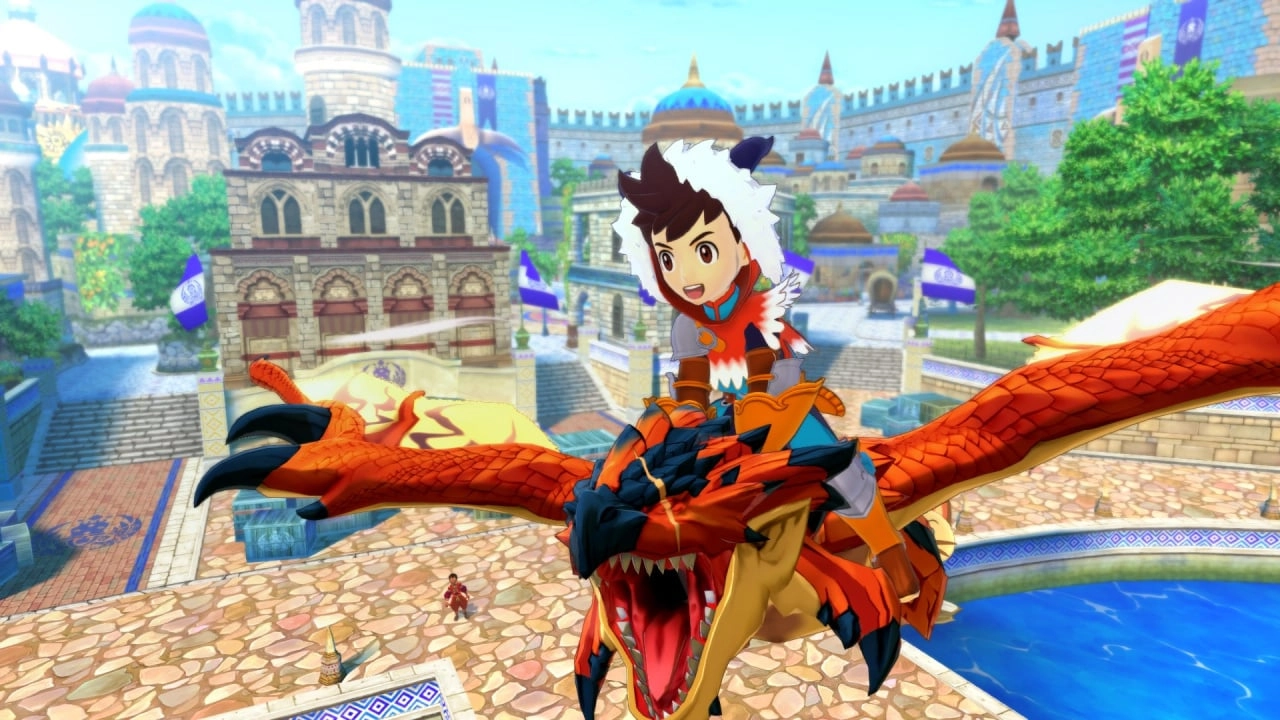
Monster Hunter Stories, originally a standout title for the Nintendo 3DS, has made its jump to the Nintendo Switch, drawing attention from both new and seasoned fans of the franchise. Originally developed through a collaboration between Capcom and Marvelous, this turn-based RPG marked a significant shift from the typical action-oriented gameplay of previous Monster Hunter titles. With the new port to the Switch and the accompanying release of a sequel, the game’s producer, Yoshihiro Akira, sheds light on various aspects of this transition.
Yoshihiro Akira explains that the concept of a turn-based RPG in the Monster Hunter universe emerged after initial hesitations about diverting from the series’ action-game roots. The team at Capcom struggled with how to portray an “adventure with monsters” in a new format but found that a turn-based system without complicated controls aligned well with their vision. The development benefited significantly from the expertise of Marvelous, particularly in refining the game’s unique "Three Attack Types" battle system.
The cooperative development between Capcom and Marvelous was structured around leveraging each company’s strengths. Capcom handled the early production and quality management to maintain the series’ standards, while Marvelous took on the RPG-specific development aspects, bringing valuable experience to the table. This collaboration proved challenging yet rewarding, resulting in a game that both companies are proud of.
Transitioning Monster Hunter Stories to the Switch provided an opportunity to enhance the game technically and aesthetically. The performance on the Switch is modeled after its sequel, Monster Hunter Stories 2: Wings of Ruin, ensuring smoother gameplay that addresses the occasional stuttering experienced on older 3DS models. However, specific features unique to the 3DS, such as StreetPass Dungeons and QR code scanning, have not been adapted for the Switch.
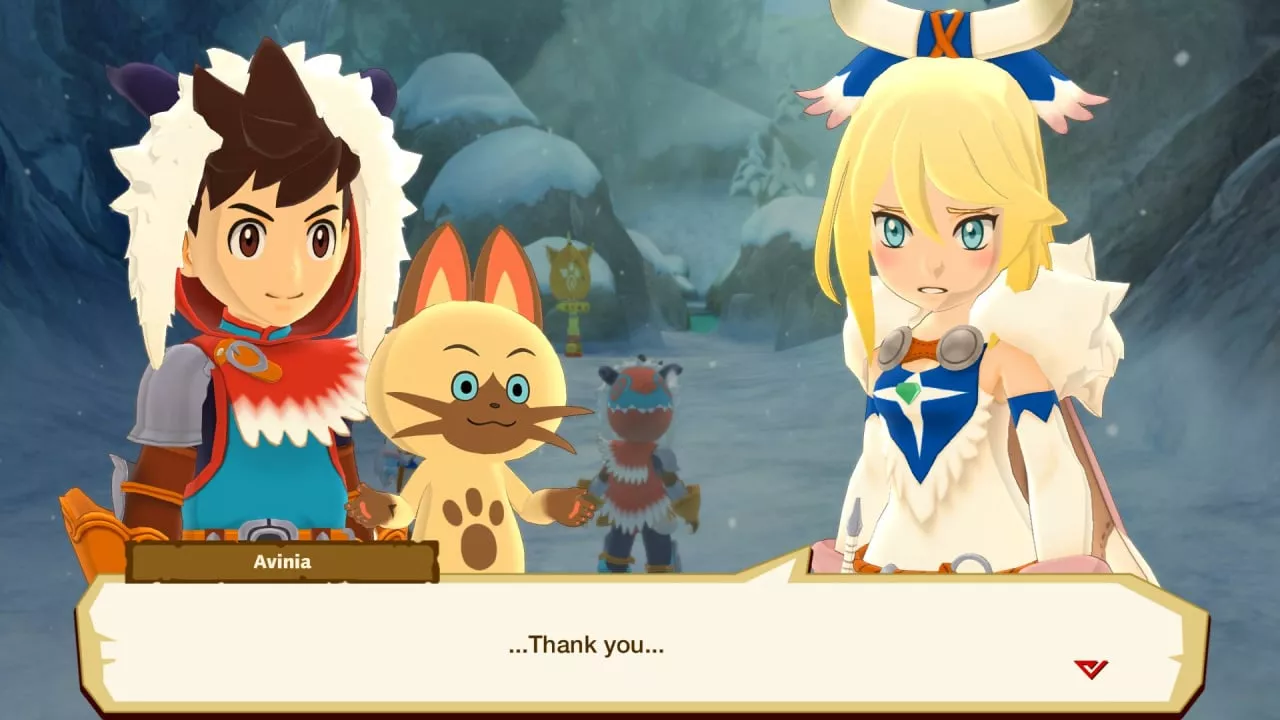
One of the significant upgrades in the Switch version is the full voice acting in both English and Japanese, which enhances player immersion and narrative engagement. The Switch version also introduces Museum Mode, a new feature showcasing over 200 pieces of artwork, developer commentary, and previously unreleased character designs. This addition grants fans a deeper insight into the game’s development process and creative decisions.
Despite these enhancements, Akira confirms that the Switch version will not include the Zelda-themed DLC, which was a notable aspect of the 3DS version. This decision was made as part of Capcom's policy not to carry over collaboration content from outside companies. This may disappoint some fans who enjoyed the crossover content, but the new features and improvements are likely to offer sufficient appeal.
For newcomers to the series, Monster Hunter Stories on the Switch provides an accessible entry point into the Monster Hunter world, free from the complexities of traditional action gameplay. Both games in the series are interconnected, with recurring characters and evolving stories that will enrich the gameplay experience for those who play through both titles.
The Switch release of Monster Hunter Story approaches, enthusiasts and newcomers alike have much to look forward to. With improved performance, additional features, and deeper narrative elements, the game is poised to captivate a broad audience, continuing the legacy of Monster Hunter while carving out its unique niche within the franchise’s storied history.
You must be logged in to post a comment!
