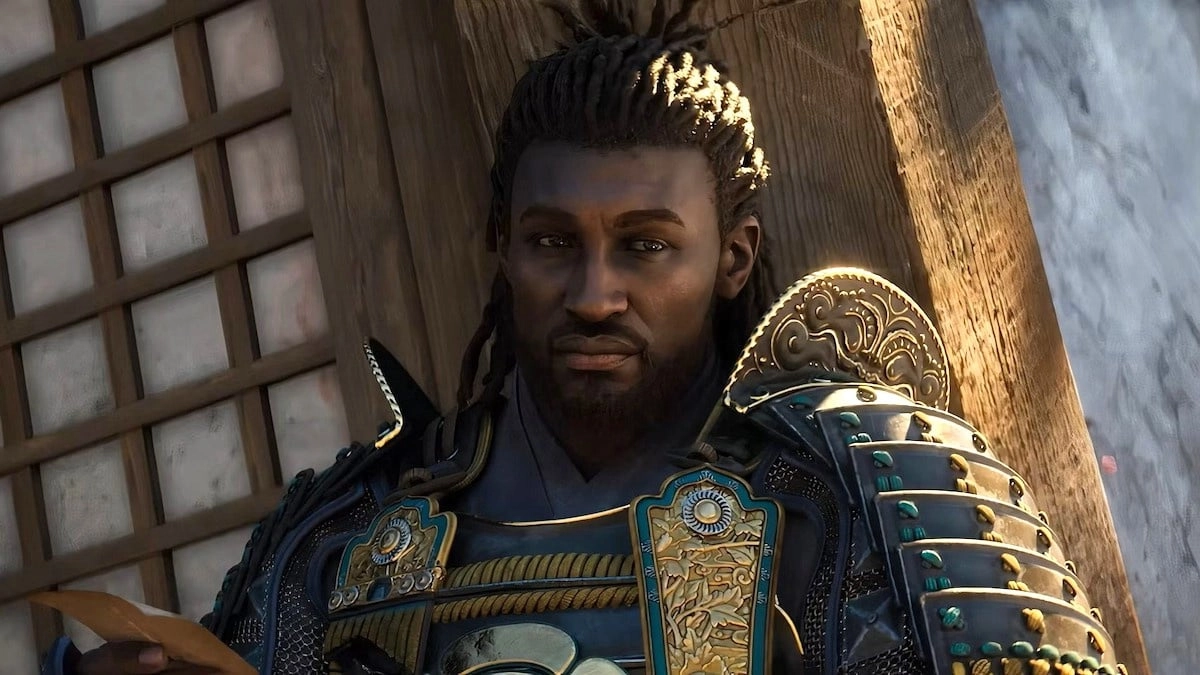
Assassin's Creed Shadows, a highly anticipated game by Ubisoft, was originally scheduled to launch in November but has seen a significant push to February of the following year. This decision caught many fans off guard, leading to a flurry of speculation and concerns. The underlying reasons, however, are rooted deeply in ensuring the game meets both the developer’s standards and the cultural expectations of its audience.
The delay, as it turns out, was influenced by multiple factors. A primary concern was the quality benchmark set by another Ubisoft title, Star Wars Outlaws, which highlighted the necessity of releasing fully polished games. This benchmark set a precedent that Ubisoft was determined to meet, leading to a thorough evaluation of Assassin's Creed Shadows’ readiness.
Tom Henderson, a journalist at Insider Gaming, obtained inside information from sources close to the project. According to these sources, the development team was already aware that a delay might be necessary to provide a game that lived up to expectations. Factors contributing to this decision included adhering to a strict development timeline, additional polish, and addressing concerns related to cultural and historical accuracy—especially pertaining to the Japanese community.
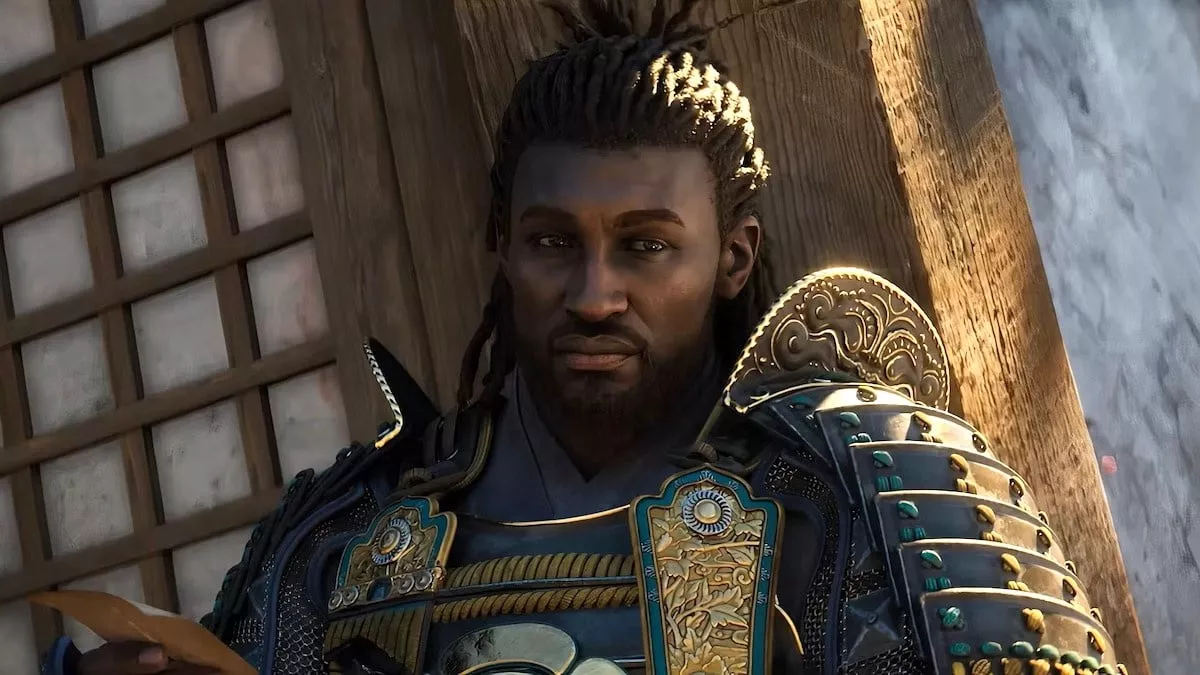
One prominent rumor that emerged amidst the discussions was about the potential removal of Yasuke, one of the game's dual protagonists, who is depicted as an African samurai. This speculation was largely fueled by misunderstandings of game development processes and timelines. Henderson clarified that Yasuke's role remains intact, although there have been adaptations in his storyline and portrayal to ensure a more respectful and accurate representation.
Addressing historicity and cultural particulars has been a central focus since the game's unveiling and has continued vigorously following external playtesting. The feedback received was invaluable in highlighting areas necessitating enhancements, including the portrayal of historical figures and landmarks. Notably, the architectural details are seeing revisions, likely affecting the one-legged Torii gate imagery. This imagery, associated with Nagasaki’s Sanno Shrine—a landmark that survived the 1945 atomic bomb—is sensitive, and its initial inclusion raised eyebrows and was deemed inappropriate for associated merchandise. This oversight was noted as a significant misstep in representing historical elements with the sensitivity they warrant.
Moreover, the development process seems to have faced challenges, such as the late involvement of historical experts usually consulted earlier in the Assassin's Creed series. This led to miscommunications and inconsistencies in team workflows, prompting decisions that could compromise the depth and authenticity traditionally expected from the series. There were instances where meeting asset deadlines led to the cutting of corners—a practice the development team is now working vigorously to correct.
As Ubisoft works to make up for lost time and address these issues, the gaming community is left to ponder whether these adjustments over the following months will suffice in rectifying the game’s course. Despite the challenges, the commitment to adapting the game to better reflect historical accuracies and cultural sensitivities could enhance its reception and success upon release.
Assassin's Creed Shadows’ path to release symbolizes a larger narrative within the gaming industry about the balance between historical representation, cultural sensitivity, and entertainment value. Ubisoft's ongoing efforts to address these complex elements highlight the importance of respecting all aspects of the communities and histories they depict. This approach not only improves the game but also sets a precedent for future titles in terms of cultural responsibility and engagement.

You must be logged in to post a comment!
