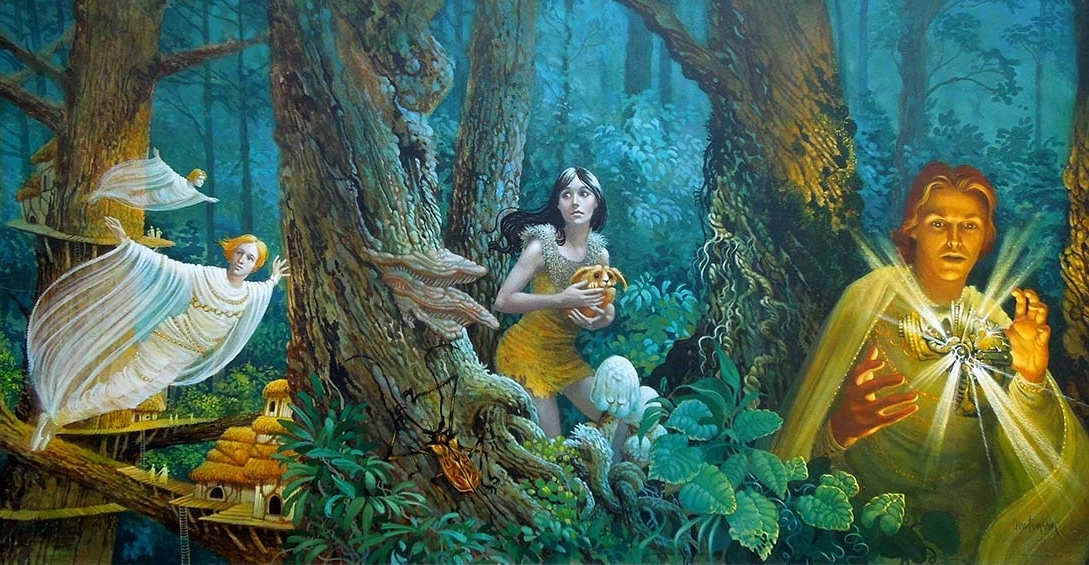
"Below the Root" is a game that perhaps not as universally recognized as some of its successors, yet it stands as a pioneering example of what would come to be known as the Metroidvania genre. Released in 1984 for platforms like the Commodore 64, IBM PC, and Apple II, the game was the brainchild of a collaborative effort involving the visionary author Zilpha Keatley Snyder and developers Dale DeSharone and William Groetzinger.
The origins of "Below the Root" tie closely to Snyder’s Green-Sky Trilogy, a series of books that captured the adventures in a whimsical and richly detailed world. The game adaptation's development was a seamless extension of this universe, pulling in Snyder's immersive storytelling and merging it with interactive gameplay elements. This kind of synergistic relationship between book and game was a rarity at the time, making "Below the Root" an early example of successful transmedia storytelling.
Dale DeSharone, a programmer who initially had a background in education and filmmaking, fell into game development somewhat by serendipity. His interest was piqued during a programming workshop, leading him to teach himself coding and eventually to develop educational games, which won several accolades. This success was foundational for DeSharone’s transition into more expansive gaming projects.
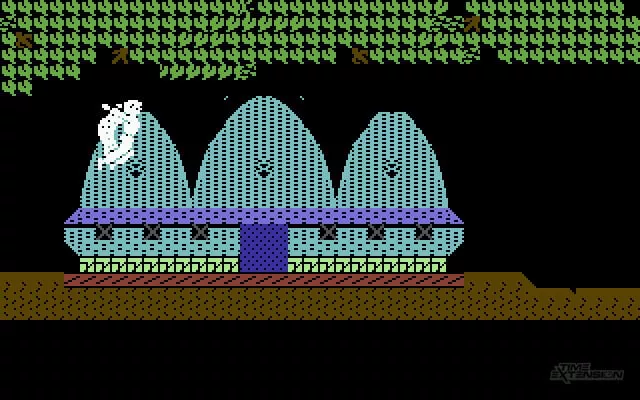
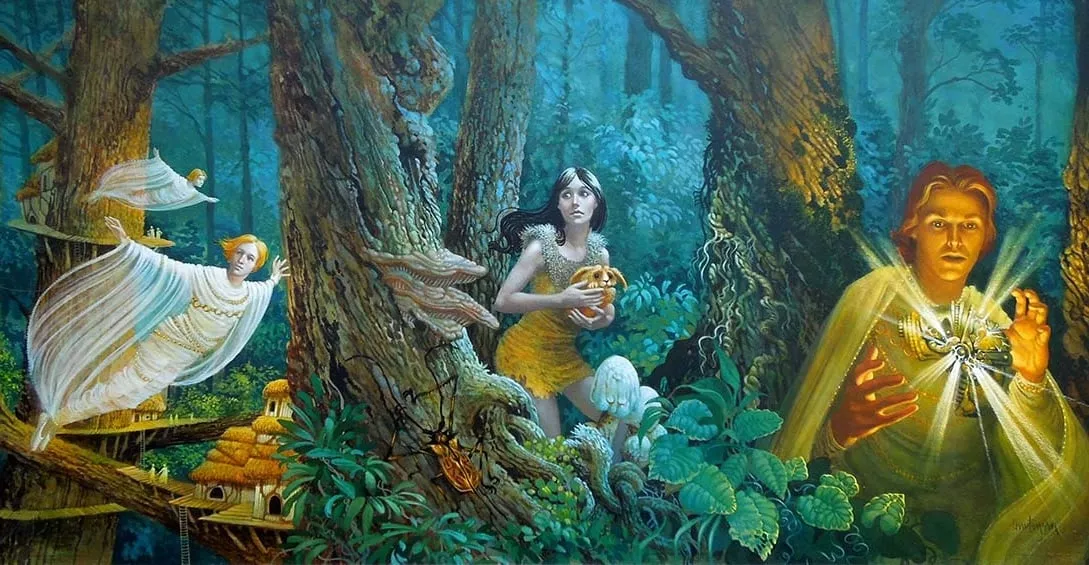
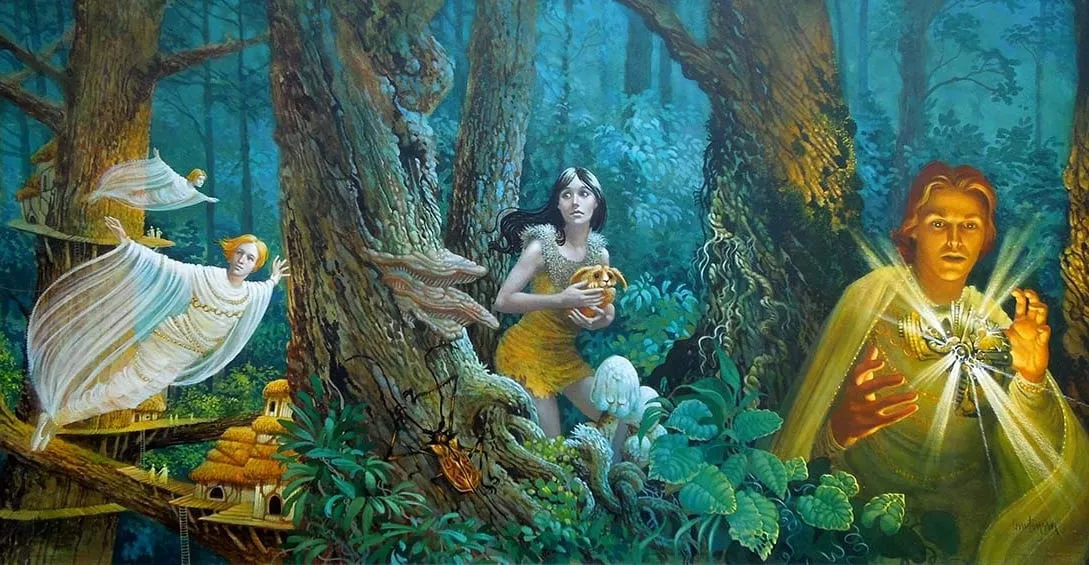
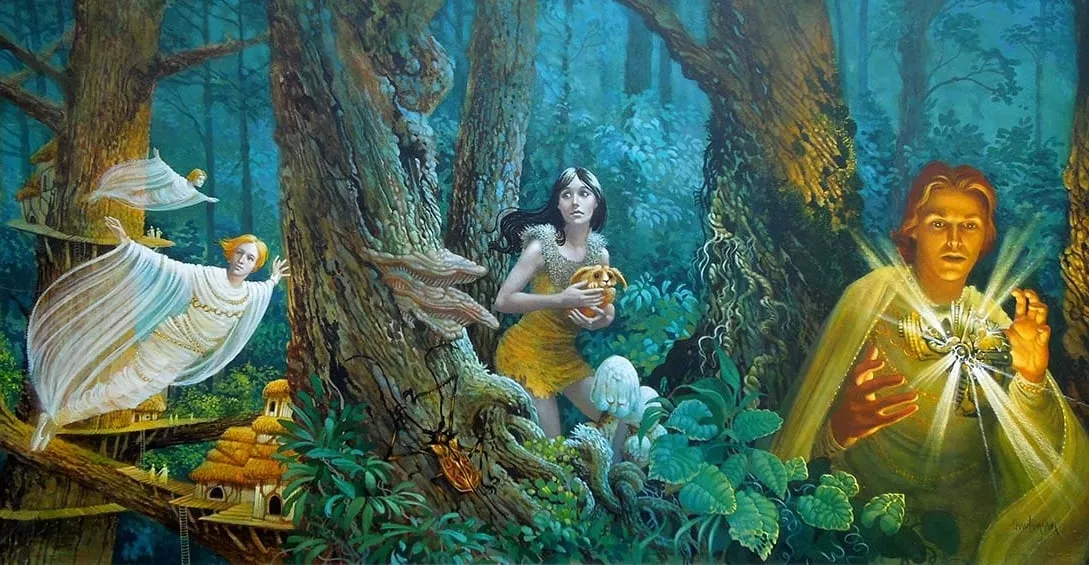
William Groetzinger, a graphic designer and artist who worked alongside DeSharone, was brought into the project after a chance meeting at a fair. Groetzinger's entry into the gaming universe was marked by his work on an educational game called "Alphabet Zoo," but it was his collaboration with DeSharone on "Below the Root" that highlighted his artistic prowess. Groetzinger was responsible for the game’s extensive and elaborate visual design, converting Snyder’s narrative world into a visually engaging digital environment.
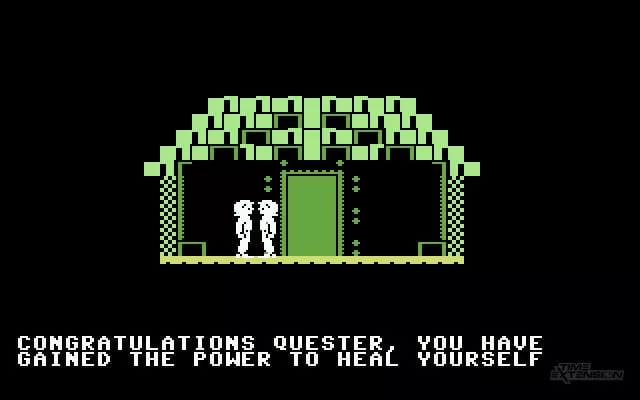
"Below the Root" itself was an expansive, exploration-based game. The game incorporated features like a day/night cycle, various psychic and physical abilities for characters to learn, and an open world teeming with interactive NPCs and obstacles. It set itself apart with features that allowed players to psychically modify their environment to overcome challenges and a system for reading NPC thoughts—innovations that were ahead of its time.
The development process of "Below the Root" was intensive. Snyder worked closely with DeSharone, actively engaging with the mapping and design elements of the game world. Groetzinger, on the other hand, was tasked with the intricate job of pixel art creation for the game's numerous sprites and environmental textures. Despite the technological constraints of the period, their combined efforts resulted in a world that was vibrant, detailed, and immersive. This was essential in conveying the narrative depth of Snyder’s books within the game.
From Groetzinger's studio in Iowa to DeSharone's setting in California, the work was distributed and occasionally challenging, but ultimately harmonious and productive. They produced hundreds of screen designs, embracing the limitations and capabilities of early computing to create a cohesive and absorbing user experience.
Commercially, "Below the Root" was a moderate success, heralded by those who experienced it as a significant influence on their views of what video games could achieve in terms of story integration and world-building. It wasn’t as widely known as some contemporary titles, partially due to its branding as educational software, a category not typically associated with pioneering gameplay at the time.
The legacy of "Below the Root" extends beyond its initial release, inspiring not only gamers but also other creators like Justin Stahlman, a stonemason and passionate fan who endeavored to preserve and potentially revive the game for modern platforms. Through mapping the game world and reaching out to the original creators, Stahlman keeps the spirit of "Below the Root" alive. Indeed, the dedication of fans and the lasting appreciation for the game’s artistic and narrative richness speak volumes about its significance.
"Below the Root" remains a testament to the early days of explorative and narrative-driven gaming, setting precedents for genres that would later see massive popularity. Its creation story is a reminder of the potential of small-scale collaborations and innovative thinking in game development—a narrative of creativity that enriches the tapestry of gaming history.

You must be logged in to post a comment!
