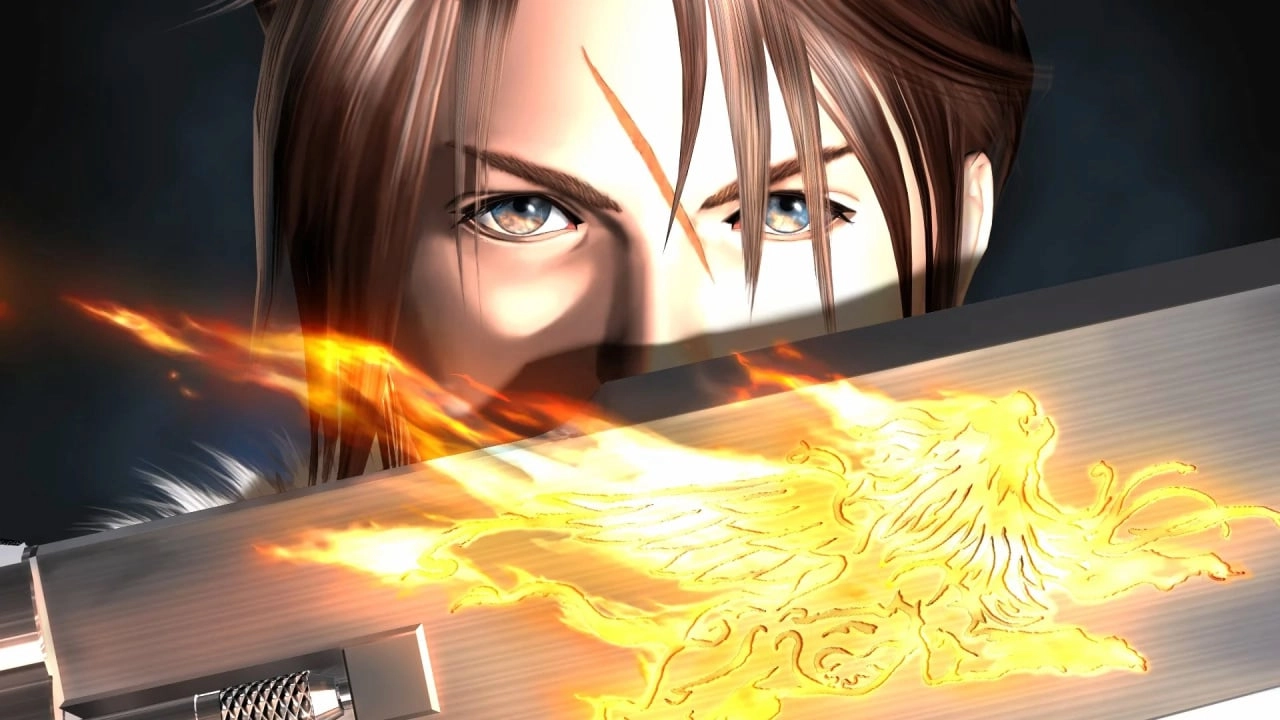
A name synonymous with the lush, emotive soundscapes of the Final Fantasy franchise, composer Nobuo Uematsu, has recently hinted at a considerable change in his career. At the age of 64, Uematsu's profound influence on game music is undisputed, creating some of the most memorable themes that have transcended the video game medium itself. However, in a recent interview ahead of a performance of his new show, Merregnon: Heart of Ice, he expressed a sentiment that may be bittersweet for fans: Uematsu doubts he will take on the herculean task of scoring a complete game again.
The musical genius behind the soundtracks for the first nine installments of the Final Fantasy series, Uematsu's contributions to the world of gaming music cannot be overstated. His melodies carved a path that transformed video game music into an art form celebrated in concert halls worldwide. From the haunting "Aerith's Theme" to the rousing "One-Winged Angel," his music has touched millions, shaping the emotional experiences of players for decades.
Uematsu's decision to potentially step back from composing entire game scores comes from an acknowledgment of the immense effort such projects require—a workload he describes as "punishing." It typically calls for a composer to "give it full throttle for two or three years," a prospect that is becoming increasingly challenging for him. This insight reveals the often unseen intensity and pressure behind video game development, particularly in crafting the musical identity of a game, which is both time-consuming and creatively demanding.
Although this may signal an end to an era for some, Uematsu isn't retiring his illustrious career. He remains involved with the Final Fantasy series, contributing main themes to the games—a testament to his enduring relationship with the series and its fans. Additionally, his intentions to focus on other projects that he loves ensure that his musical journey is far from over. He takes great joy in working on personal compositions and performing with his band, Uematsu Nobuo conTIKI, indicating a shift to pursuits that may be less taxing yet remain close to his heart.
If this shift comes to pass, the IOS RPG Fantasian could stand as Uematsu’s final complete game soundtrack. This piece of work is particularly remarkable, given that Uematsu was battling health issues during its creation in 2021. The 60-piece orchestrated soundtrack that he composed is a staggering testament to his dedication and talent, showcasing why he is so revered in the industry.
It is a career replete with accolades and adoration from fans; Uematsu's work has far surpassed the confines of the gaming industry, leaving a lasting legacy on the music world as a whole. His compositions have been performed by world-renowned orchestras, sparking a movement where video game music is celebrated alongside classical compositions. His melodies evoke a nostalgic connection to the games they accompany, fostering a unique and powerful bond between the player and the virtual worlds they explore.
Even as Uematsu contemplates this turn in his career, his influence remains omnipresent. His compositions continue to inspire current and future generations of musicians and composers who enter the gaming industry. The evocative themes he's provided for Final Fantasy, imbued with the power to stir the soul and evoke tears, have earned their place in the pantheon of classic music.
For fans around the globe, Uematsu's music has provided the backdrop to countless hours of gaming, each note a thread in the tapestry of their personal gaming histories. While some might grieve the potential end of Uematsu's era as the gaming world’s central musical figure, his legacy is as indelible and enduring as the notes of "To Zanarkand," leaving an indelible imprint on the realm of music, both in and outside of gaming.
Uematsu’s career is a bridge between cultures, between the digital and the traditional, and most importantly, between the artist and the audience. His shift from scoring full games to focusing on individual compositions and his band marks not just a new chapter for him, but also enriches the tapestry of his contributions—a rich legacy for a maestro whose music has, and will continue to, echo through the ages.
You must be logged in to post a comment!
