
The world of retro gaming is rich with tales of gamers' love and dedication to their favorite classics. One fascinating aspect of this community is its response to the often frustrating localization changes made by game companies like Konami. These changes, intended to increase game difficulty for markets outside Japan, frequently led to a gameplay experience that many found unnecessarily punishing. However, instead of merely lamenting these alterations, the gaming community took action by creating restoration patches to bring these games back to their original glory.
Konami, a major player in the video game industry, has often been criticized for altering the difficulty of its games in the American and PAL markets. For instance, titles like "The Adventures of Bayou Billy" and "Contra III" on the SNES saw significant difficulty spikes and removals of helpful gameplay features such as cheat codes and infinite continues. Moreover, "Contra: Hard Corps" had its life-bar removed, resulting in a brutal challenge even for seasoned players. Similarly, "Castlevania III" underwent numerous difficulty adjustments that merely served to boost frustration among players.
The rationale behind these harsh alterations was primarily economic. American publishers, driven by fears of rental markets and quick resales, demanded harder games to ensure that players would not complete them quickly and subsequently cease to engage with them financially. Interviews with industry figures like Ayano Koshiro, Kouji Yokota, and Victor Ireland highlighted this mindset, indicating a distinctive cultural difference in game ownership and consumption between Japanese and American markets during the 1990s.
Despite the outcry from purist fans, Konami’s heavy-handed approach went largely unchecked until gamers began to step up. Utilizing their skills in coding and game modification, dedicated fans created patches that corrected these gameplay alterations, thus preserving the developers' original intentions. Restoration projects touched games across various platforms, including NES, SNES, and Mega Drive, proving that community action could counterbalance corporate decisions.
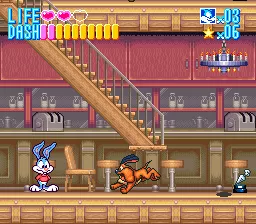
One particularly egregious example involved the SNES game "Tiny Toon Adventures: Buster Busts Loose!" The US version of this game not only added a higher difficulty level but also handicapped the saving features significantly, limiting them to less challenging levels and stripping away much of the game’s accessibility and enjoyment. It even locked the better ending sequences and reduced continues, pushing players to their limits in ways that felt more punitive than entertaining.
Frustrated by these changes, gamers began to collaborate online, sharing knowledge and tools to hack and restore the games. Forums like RHDN became hotbeds for patch development, with contributors from all walks of life chipping in to help restore games. Through collective efforts, they tackled complex challenges such as adjusting damage values, reinstating original gameplay features, and even correcting end credits and password systems to reflect the original game designs more accurately.
The hacking process often started with identifying how the localization teams had altered the game files, then methodically reversing these changes. Tools like emulators, debuggers, and hex editors were essential in these endeavors, allowing hackers to delve into the game’s code and make precise adjustments. This hacking not only restored the games but also provided the hackers with a deep sense of satisfaction and a better understanding of game development.
Even more interestingly, these restoration projects often sparked new interest in game hacking as a hobby. Participants learned valuable programming and debugging skills, which they could apply to other games and software. Such endeavors underline the resilience and ingenuity of the gaming community, demonstrating a proactive approach to preserving gaming history against corporate alterations that could be seen as detrimental.
The success of these restoration projects is a testament to the enduring passion and technical skill within the gaming community. It also sends a powerful message about consumer rights and the importance of artistic integrity in the gaming industry. As these hackers often share their patches for free, they underscore a communal spirit geared towards improving the gaming experience for all.
This ongoing dialogue between gamers and game companies continues to evolve, reflecting broader trends in consumer empowerment and the democratization of technological expertise. It’s a fascinating chapter in the history of video games, highlighting how even the most frustrating changes can lead to positive outcomes when a community comes together to rectify them.



You must be logged in to post a comment!
