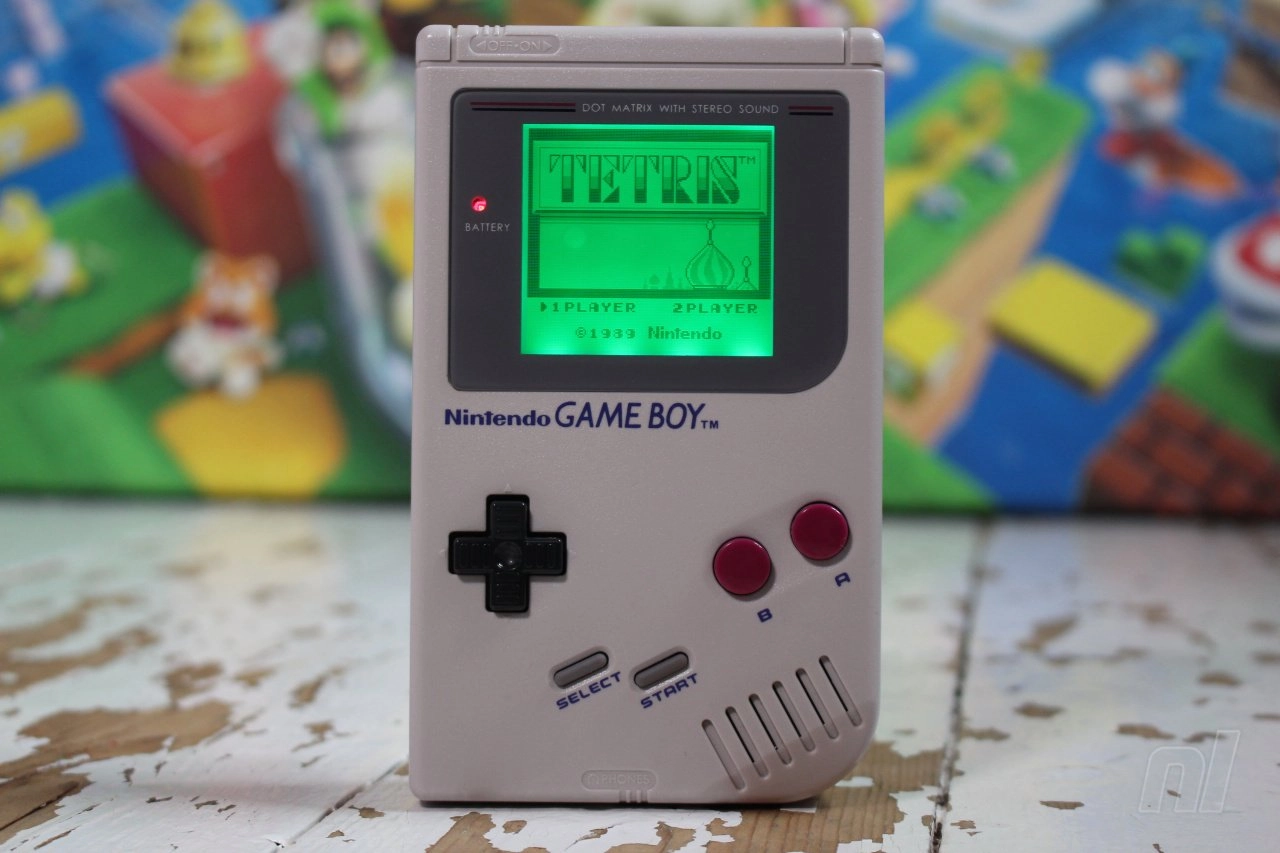
For many people, Tetris on the Game Boy was their first encounter with the world of video gaming. This iconic puzzle game, which made its debut on Nintendo’s first handheld device, has been more than just a source of entertainment. It has played a crucial role in teaching essential video gaming skills to a broad audience, effectively nurturing a new wave of gamers.
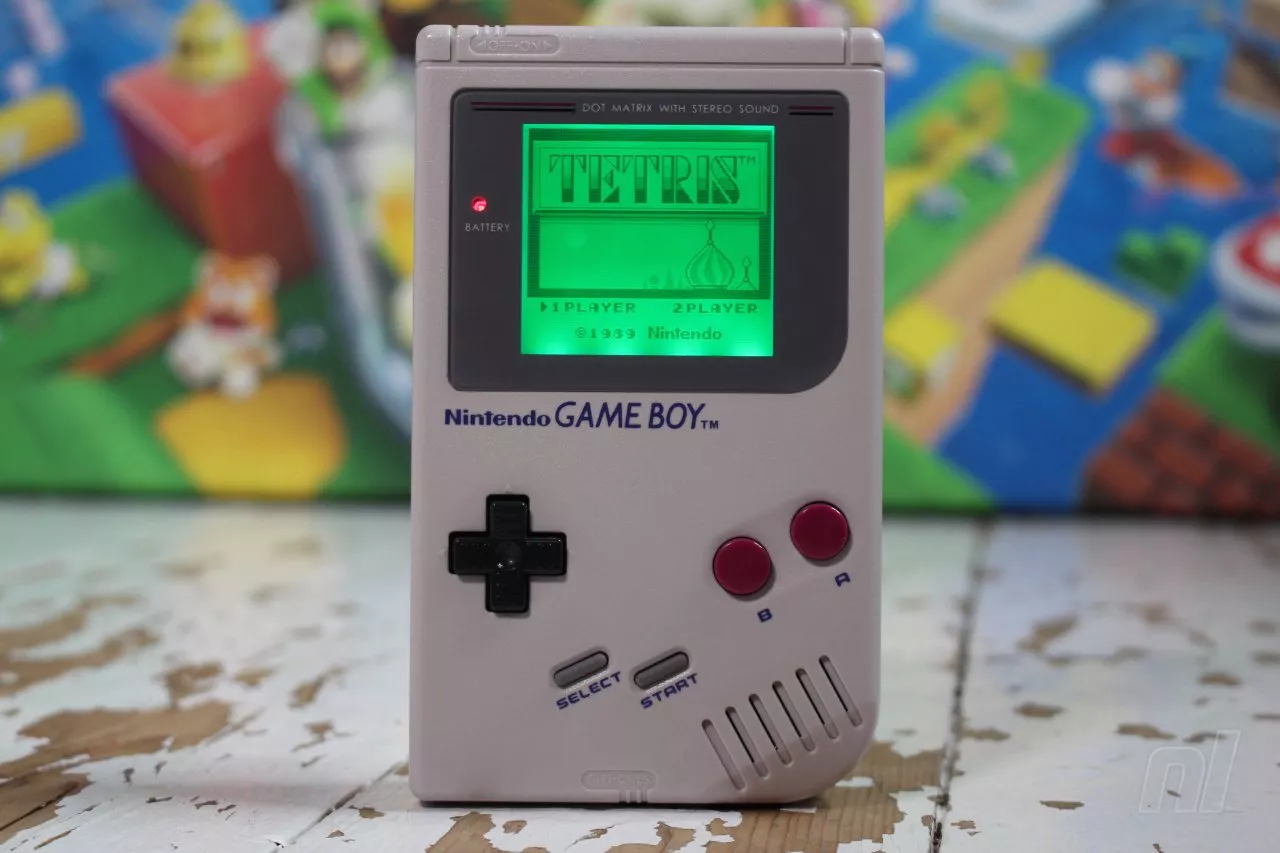
When the Game Boy launched, it came with a few key titles, but none as ubiquitous as Tetris. This association was not coincidental but a strategic choice by Nintendo. Knowing that many would be novice players, Nintendo bundled Tetblris with the Game Boy, ensuring it would be the first game many people would play on the console. This decision is akin to how Mario Kart 8 Deluxe is almost a staple for Nintendo Switch owners today.
The simplicity of Tetris' gameplay made it the perfect introductory game. The game involves manipulating tetrominos (geometric shapes made up of four squares) to create horizontal lines, which then disappear to prevent the stack of shapes from reaching the top of the playing field. The controls are straightforward: use the D-pad to move pieces horizontally and rotate them with the A or B buttons. This eliminated any complex control schemes that could overwhelm new players, making the game accessible and easy to understand.
Moreover, Tetris on the Game Boy capitalized on a universal concept familiar to many, even young children - stacking blocks. This real-world analogy made the game highly relatable and easy to grasp. As players spent more time with the game, they intuitively learned about spatial reasoning, planning, and reaction time. These basic skills are foundational to nearly all video games, making Tetris an excellent primer for more complex games.
Additionally, the game’s design naturally facilitated a learning curve. New players might start by randomly placing tetrominos, but as they observed the reactions of the game to their actions, such as line clears and the accompanying celebratory sounds and animations, they began to understand and anticipate the outcomes of their moves. This trial-and-error learning was crucial in building game literacy.
Tetris on the Game Boy also offered a solitary but engaging challenge that was perfect for the portable nature of the Game Boy. Players could play at their own pace, anywhere they went, which wasn’t as feasible with home console games that required a television and might involve multiple players. This aspect of the Game Boy and Tetris made gaming more personal and accessible.
As users mastered Tetris, they were likely to explore other titles. However, the foundational skills they learned from Tetris—ranging from controlling the game to understanding game mechanics like leveling up through speed increments—were transferable to other games. In this way, Tetribls on the Game Boy wasn’t just a game but a form of digital literacy that enabled players to engage more confidently with other gaming experiences.
Reflecting on the legacy of Tetris, its impact extends beyond just the skills it taught. It was a gateway that introduced many to the joys of gaming and helped to establish the Game Boy as a successful platform. Its design demonstrated that video games could be both fun and educational, intertwining challenge and learning in a way that was accessible to everyone.
Today, as we look back on the contribution of Tetris to the gaming industry, it’s clear that its significance goes beyond just high scores or the nostalgia of its music. Tetris played a pivotal role in shaping the gaming landscape by making the medium accessible and enjoyable for a wider audience. It not only launched a lasting franchise but also helped define what made the Game Boy a revolutionary device. Whether revisiting it on modern platforms or reminiscing about past experiences, Tetris remains a cornerstone of video gaming culture. It’s a testament to how simplicity in design can result in profound educational value, teaching a generation the basics of video gaming and beyond.

You must be logged in to post a comment!
