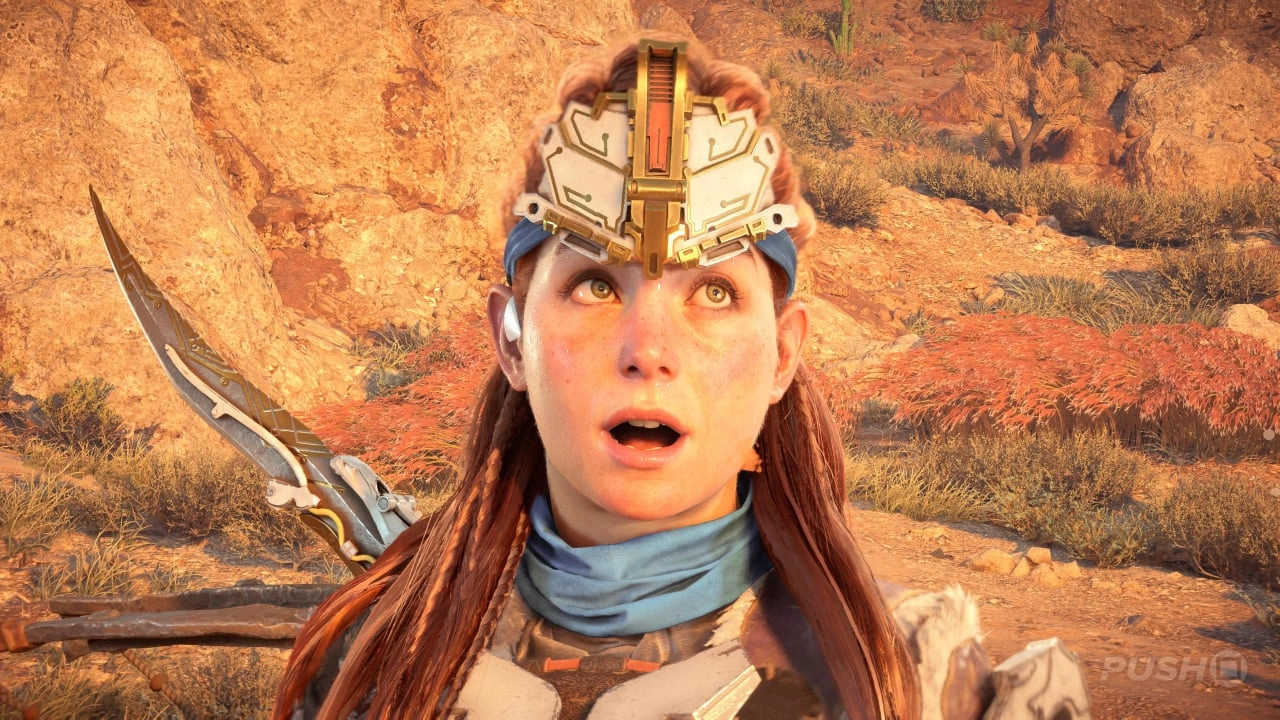
Netflix's anticipated adaptation of the popular video game Horizon Zero Dawn, set to expand the game's post-apocalyptic universe, has unexpectedly hit a significant roadblock. Rolling Stone recently revealed that the project, along with another series titled Orbital, both under the oversight of showrunner Steve Blackman, is currently "not moving forward." This pause in production arrives amid serious accusations leveled against Blackman related to toxic behavior during his time working on another Netflix series, The Umbrella Academy.
The Horizon Zero Dawn adaptation, reportedly named Horizon 2074, aimed to serve as a prequel to the events of the acclaimed video game. The plan was to weave narratives between the protagonist Aloy's timeline and the era before the game's depicted apocalypse, thereby enriching the backstory of the game's world where mechanical creatures dominate the landscape, and humanity has regressed to tribal societies. This storied approach promised to offer a deeper exploration into the cataclysmic events that reshaped humanity, a subject that has captured the imagination of millions of gamers worldwide.
Initial news about the adaptation stirred significant excitement among fans of the Horizon franchise, especially when tidbits leaked about the incorporation of top-tier talents from renowned shows like The Boys and The Expanse. The involvement of such big names indicated a high production value and an ambitious scope aimed at faithfully translating the game's intricate world and lush visuals into a serialized narrative.
However, developments came to a sudden standstill following the concerning allegations against Blackman. The seriousness of the accusations, which suggest a negative working environment under the showrunner during his previous projects, has led to a cautious step back by Netflix and PlayStation Productions. For many in the industry, maintaining a positive and non-toxic work environment has become as critical as the end product, leading to increased scrutiny of behavior previously overlooked or unreported.
Despite the current halt, it's still uncertain whether the Horizon adaptation will see new directions or leadership that could steer it back into production. The collaborative entities involved, particularly Sony and PlayStation Productions, are known for their dedication to expanding their gaming franchises into multimedia platforms. This suggests that while the pause is a disappointment, it may not spell the end for Horizon 2074. The IP's significant fan base and the critical acclaim for Horizon Zero Dawn as a game show too much potential for a complete cancellation of the series adaptation.
This isn't the first time adaptations of beloved games have faced uphill challenges. Translating interactive experiences into a passive format like television involves nuanced storytelling adjustments and a careful retention of the original game's spirit, which is not always an easy feat. Additionally, the added pressure of doing justice to a beloved game can add layers of complexity to the production process, often leading to heightened expectations and scrutiny.
As it stands, the future of the Horizon Zero Dawn TV series hangs in the balance. Fans of the franchise may need to wait longer to see Aloy's world expand beyond the gaming console. Regardless of the outcome, this development serves as a reminder of the ever-evolving challenges in adapting video game narratives to the screen, where creative visions meet the tough realities of production dynamics. As the landscape of such adaptations continues to grow, the industry's ability to navigate these hurdles will undoubtedly refine and define the future of game-based television programs, ensuring they resonate both with fans of the games and new audiences alike.

You must be logged in to post a comment!
