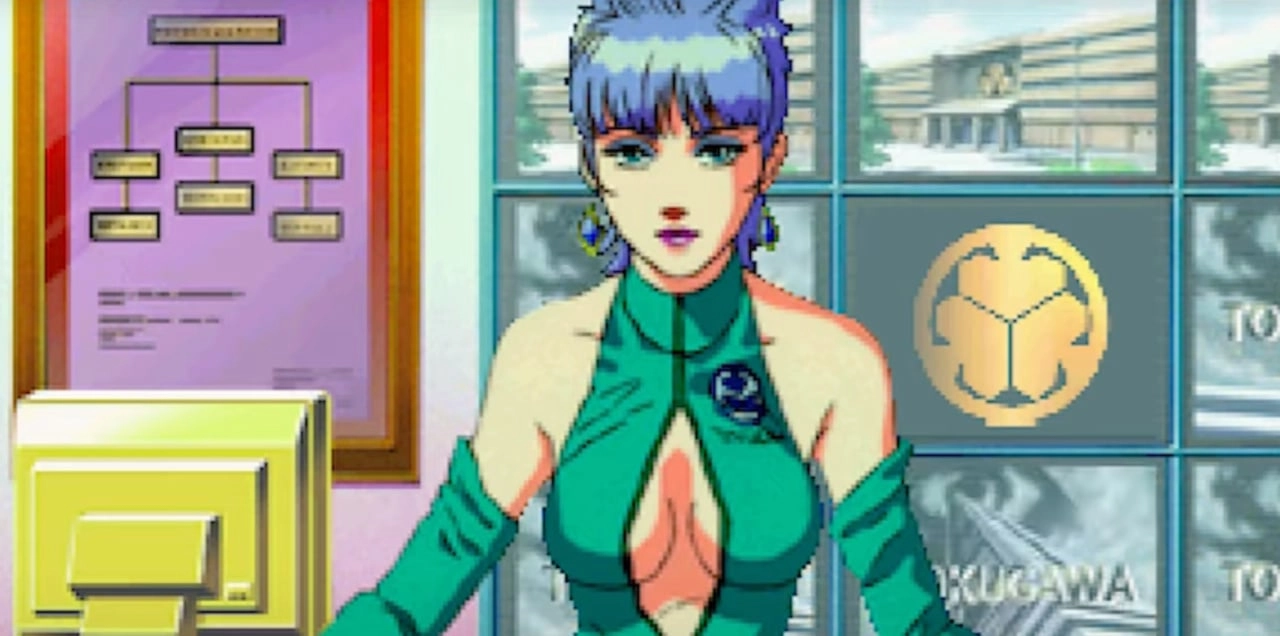
Hideo Kojima, a gaming visionary known for his innovative and engaging video game designs, has contributed significantly to the industry with titles that have rich narratives and memorable characters. His works, containing unique and sometimes controversial features, often spark interesting debates within the gaming community. An incident that has resonated with gamers and has been recalled over the years is a peculiar argument Kojima had with Sony regarding a particular feature in his game Policenauts, revolving around character animations—a testament to creative clashes that sometimes happen behind the scenes.
Policenauts, a game that never saw release outside Japan, is an intriguing blend of detective storytelling and science fiction set within a visual novel format. It trails the journey of Jonathan Ingram, an ex-astronaut entangled in a personal and mysterious case after waking up from an unexpected 24-year cryosleep. The narrative unfolds as Ingram returns to a space colony to investigate the disappearance of his ex-wife's new husband, which marks the beginning of a complex adventure. While the game was initially launched on the NEC PC-9821 in 1994, it made its way to multiple gaming platforms, including the 3DO system, Sony PlayStation, and Sega Saturn.
Within Policenauts, as with many of Kojima's games, the narrative was richly woven with bold design choices, some of which ventured into adult themes and elements. This narrative style can be traced back to his previous projects, such as the Metal Gear Solid series where he included peculiar features like girly magazines and characters in revealing outfits which stirred curiosity and sometimes controversy.
One feature in Policenauts that led to a notable clash was its depiction of exaggerated breast physics, comparable to the animation seen in the Dead or Alive fighting game series. This aesthetic choice garnered attention from Sony Computer Entertainment, particularly due to concerns relating to the game’s release on PlayStation. The situation escalated to the point where discussions were held to determine the acceptable level of this animation's intensity, an issue which Kojima did not take lightly.
In a conversation with Famitsu magazine in 2014, Kojima recounted the negotiations with Sony, expressing his frustration at what he deemed an 'absurd' discussion. He found himself in a heated exchange with Shuhei Yoshida of Sony about the stipulations being considered. It is this unusual 'breast jiggle issue,' as Kojima referred to it, that stands out in his memory given its oddity amidst more typical game development discussions.
The resolution of these talks led to Policenauts' PlayStation version featuring this animation but to a lesser extent than its Sega Saturn counterpart. It seems that Sega, the company behind the development of the Saturn console, was more lenient with such design choices, as evidenced by the release of Dead or Alive on Saturn with its signature exaggerated character movements.
Gaming enthusiasts still find the Saturn version of Policenauts superior not solely due to animation details, but also for technical qualities like the inclusion of lightgun sections and more fluid full-motion video sequences. For players interested in experiencing the game, despite the lack of an official English localization, dedicated fans have created English translations for both PlayStation and Saturn versions.
The controversy surrounding Policenauts and its 'breast jiggle' underscores the often unpredictable nature of video game development and the varied outlooks of developers and publishers on creative expression. While Kojima has gone on to create additional critically-acclaimed titles, the memory of his dispute with Sony serves as a reminder of the unique challenges that can arise during the game creation process. It also highlights the dedication of creatives like Kojima, who passionately argue for their vision, even if it leads to seemingly trivial but memorable quarrels with industry giants.

You must be logged in to post a comment!
